
Italian Pasta
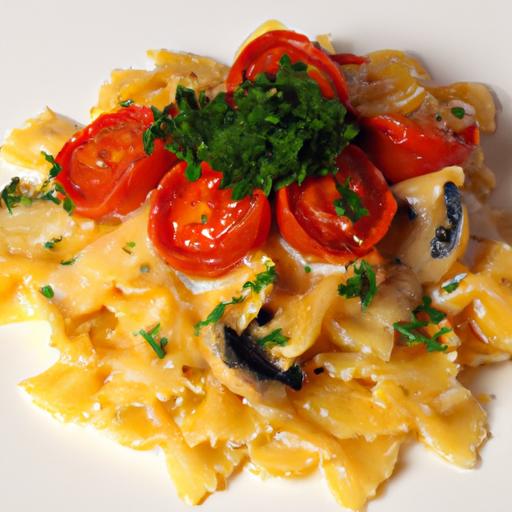
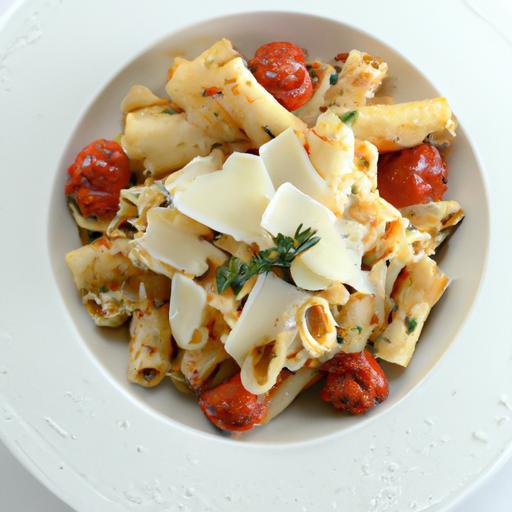
Few dishes capture the heart of Mediterranean cuisine like Italian Pasta. From creamy carbonara to tangy marinara and bold pesto, Italian Pasta is more than just food — it’s a celebration of flavor, simplicity, and passion. Whether enjoyed at a family table or a fine dining restaurant, every plate of Italian Pasta tells a story of Italy’s rich culinary heritage.
The Art of Making Italian Pasta
Creating perfect Italian Pasta begins with quality ingredients: durum wheat semolina, fresh eggs, and a pinch of salt. The dough is kneaded to a smooth texture, rolled thin, and cut into classic shapes like spaghetti, fettuccine, or tagliatelle. Each region of Italy has its own version of Italian Pasta, from the seafood-infused dishes of the south to the creamy sauces of the north.
Cooking Italian Pasta the authentic way means respecting the balance between sauce and noodles. The sauce should gently coat each strand or shape, allowing the pasta’s flavor to shine. Whether you’re preparing a simple aglio e olio or a hearty bolognese, Italian Pasta is all about harmony and taste.
Why Everyone Loves Italian Pasta
Italian Pasta is timeless because it’s both comforting and versatile. It can be vegan, vegetarian, or packed with meat and cheese — there’s a version of Italian Pasta for every craving. Pair it with a glass of wine, a sprinkle of parmesan, and fresh herbs, and you have the ultimate meal that brings people together.
Nothing compares to the joy of twirling a forkful of Italian Pasta — rich, aromatic, and made with love. It’s the essence of Italy in every bite, a dish that transcends borders and continues to inspire kitchens around the world.
Prep and Cook time
- Readiness: 30 minutes
- Resting time: 60 minutes (for dough relaxation)
- Cooking: 4-6 minutes (fresh pasta)
Yield
Serves 4 hearty portions
Difficulty Level
Medium – Perfect for passionate home cooks eager to refine their pasta-making skills
Ingredients
- 2 cups all-purpose flour, sifted
- 1/2 cup fine semolina flour
- 3 large eggs, at room temperature
- 1 tbsp extra-virgin olive oil
- 1 tsp sea salt
- Water as needed (about 2-3 tbsp, if dough is too dry)
Instructions
- Create the dough base: On a clean surface, mound the sifted all-purpose and semolina flour together.Make a wide well in the center.
- Mix eggs and oil: Crack the eggs into the well, add olive oil and sea salt. Using a fork, gently beat the eggs while gradually incorporating the surrounding flour.
- Form the dough: As the mixture thickens, begin kneading by hand, drawing in more flour from the edges. Knead vigorously for 8-10 minutes until the dough is smooth and elastic. Add water sparingly if dough is crumbly.
- Rest the dough: Wrap the dough ball in cling film and refrigerate for at least 60 minutes. This step relaxes the gluten for easier rolling and a tender bite.
- Roll and shape: divide rested dough into 4 pieces. Using a rolling pin or pasta machine, roll each piece into thin sheets about 1/16 inch thick. Cut into your preferred shape-fettuccine,tagliatelle,or pappardelle.
- Cook pasta: Bring a large pot of salted water to a rolling boil. Add fresh pasta and cook for 3-5 minutes until al dente (firm,but tender). Drain instantly.
Chef’s notes
- For a richer dough, substitute one egg yolk in place of a whole egg to increase tenderness.
- If semolina is unavailable, bread flour is a good option but slightly changes texture.
- Kneading is crucial: a well-developed gluten structure yields the perfect bite.
- The resting period cannot be skipped-it prevents dough shrinkage and cracking during rolling.
- Use a pasta drying rack or spread cut pasta over clean kitchen towels to avoid sticking.
Serving Suggestions
Pair freshly made pasta with a simple classic tomato basil sauce or indulge in a golden butter and sage emulsion. Garnish with freshly grated Parmigiano-reggiano, a few basil leaves, and a sprinkle of cracked black pepper. For a regional twist, drizzle with a robust Ligurian pesto or a Sicilian puttanesca sauce stirring in olives and capers for an umami punch. Serve alongside a crisp white wine like Verdicchio to balance the flavors.

| Nutritional Info | per Serving |
|---|---|
| Calories | 320 kcal |
| Protein | 11 g |
| Carbohydrates | 54 g |
| Fat | 5 g |
Discover More Italian Flair
Expand your culinary repertoire by checking out our guide on Signature Italian Sauces. For more authentic techniques, visit Accademia Italiana, a renowned source for Italian culinary arts.
Q&A
Q&A: Twist and Taste - Exploring Authentic Italian pasta Recipes
Q1: What makes Italian pasta recipes “authentic”?
Authentic Italian pasta recipes are all about tradition, simplicity, and quality. They rely on fresh, seasonal ingredients and time-honored techniques passed down through generations.Authenticity means honoring regional ingredients and culinary customs-think handmade dough, slow-cooked sauces, and balanced flavors that highlight rather than overpower.
Q2: Why is pasta such a central part of Italian cuisine?
Pasta is woven into the fabric of Italian life-not just as food, but as culture, comfort, and community. It’s versatile, affordable, and endlessly adaptable, reflecting Italy’s diverse landscapes and heritage. Each region boasts unique shapes and recipes, turning pasta into a delicious storytelling canvas.
Q3: How can home cooks replicate authentic Italian pasta dishes?
Start with great ingredients: use durum wheat pasta or make your own fresh pasta; choose ripe tomatoes, fragrant basil, and good-quality olive oil.Respect cooking times-al dente is key. Embrace simplicity by focusing on a few standout flavors rather than overloading your sauce. be patient and passionate; authentic Italian cooking is as much about heart as it is indeed about technique.
Q4: What are some lesser-known Italian pasta shapes and their origins?
Beyond the famous spaghetti and penne, italy offers gems like orecchiette from Puglia, named for their “little ear” shape, ideal for catching chunky sauces; trofie from Liguria, twisted to cling to pesto; and pici from tuscany, thick hand-rolled strands perfect with hearty ragù. Each shape tells a story tied to local ingredients and cooking customs.
Q5: How does exploring authentic pasta recipes deepen our recognition of Italian culture?
Pasta is a window into Italy’s history, geography, and familial bonds. By making and tasting traditional recipes, we connect with regional identities, seasonal rhythms, and the convivial spirit that defines Italian meals. It transforms eating into an experience filled with memory, warmth, and shared joy.
Q6: Can authenticity evolve while staying true to Italian pasta traditions?
Absolutely! Italian cuisine honors its roots but has always embraced innovation-from ancient Roman uses of spelt to today’s creative fillings and pairings. Modern twists-think seasonal vegetables, innovative sauces, or fusion flavors-can respect tradition while inviting new tastes. Authenticity thrives when passion and respect for craft remain at the heart.
Dive in, twist your fork, and taste the rich heritage simmering in every authentic Italian pasta dish! Buon appetito!
To wrap it Up
As we twirl our forks and savor each bite, it’s clear that authentic Italian pasta is more than just a meal-it’s a story woven through generations, a celebration of simple ingredients transformed by passion and tradition. Weather you’re a seasoned chef or a curious home cook, embracing these time-honored recipes invites you to experience Italy’s rich culinary heritage one delicious twist at a time. So next time you hear the comforting sound of pasta bubbling in boiling water, remember: you’re not just cooking dinner-you’re joining a timeless dance of flavors that has captivated hearts around the world. buon appetito!