
Introduction to Mushrooms Unveiled: Nature’s Hidden Fungi Wonders Explained
When we think about mushrooms, few realize their diversity and benefits. Mushrooms Unveiled: Nature’s Hidden Fungi Wonders Explained highlights different types of edible and wild mushrooms, their unique flavors, and how they have been used in traditional and modern cuisines. By reading Mushrooms Unveiled: Nature’s Hidden Fungi Wonders Explained, you gain insights into why mushrooms are more than just a topping—they are nature’s hidden treasures.
Culinary Uses in Mushrooms Unveiled: Nature’s Hidden Fungi Wonders Explained
H3: Cooking Techniques
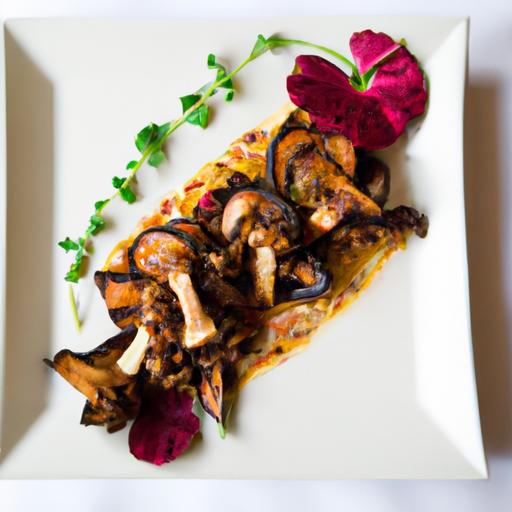
From sautéing to roasting, Mushrooms Unveiled: Nature’s Hidden Fungi Wonders Explained demonstrates the best methods to bring out their flavors. Each type of mushroom adds a distinct taste to dishes, making Mushrooms Unveiled: Nature’s Hidden Fungi Wonders Explained a valuable resource for chefs and home cooks alike.
H3: Recipes and Flavor Pairings
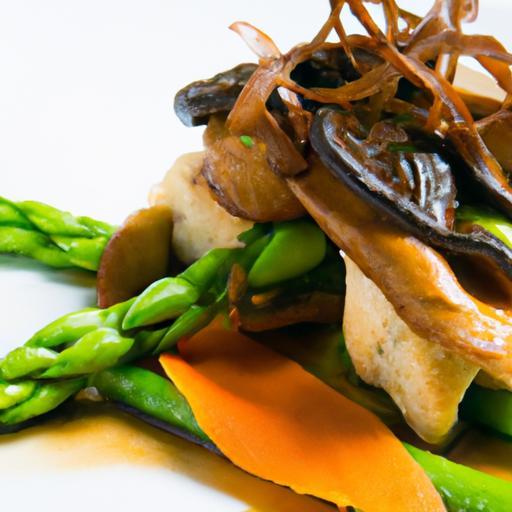
In Mushrooms Unveiled: Nature’s Hidden Fungi Wonders Explained, you’ll discover recipes that pair mushrooms with vegetables, grains, and proteins, ensuring that every meal highlights the subtle umami taste of fungi. Following Mushrooms Unveiled: Nature’s Hidden Fungi Wonders Explained ensures that your dishes are flavorful and nutritious.
Health Benefits Highlighted in Mushrooms Unveiled: Nature’s Hidden Fungi Wonders Explained
H4: Nutritional Value
Mushrooms are low in calories but rich in vitamins, minerals, and antioxidants. Mushrooms Unveiled: Nature’s Hidden Fungi Wonders Explained emphasizes their role in a balanced diet, providing protein, fiber, and immune-boosting compounds.
H4: Medicinal Properties
Scientific studies featured in Mushrooms Unveiled: Nature’s Hidden Fungi Wonders Explained reveal that certain mushrooms may support heart health, enhance immunity, and even reduce inflammation. Reading Mushrooms Unveiled: Nature’s Hidden Fungi Wonders Explained helps you understand the profound health benefits hidden in fungi.
Tips for Using Mushrooms – Mushrooms Unveiled: Nature’s Hidden Fungi Wonders Explained
-
Always clean mushrooms gently before cooking. Mushrooms Unveiled: Nature’s Hidden Fungi Wonders Explained suggests proper storage to maintain freshness.
-
Experiment with different cooking methods as advised in Mushrooms Unveiled: Nature’s Hidden Fungi Wonders Explained to unlock full flavor potential.
-
Incorporate mushrooms into soups, pastas, and stir-fries, following the guidance of Mushrooms Unveiled: Nature’s Hidden Fungi Wonders Explained for delicious results.
prep and Cook Time
Preparation: 15 minutes | Cook time: 20 minutes | Total: 35 minutes
Yield
Serves 4 generously as a main dish or 6 as a side
Difficulty Level
Medium – perfect for home cooks looking to expand beyond button mushrooms into wild and cultivated varieties
Ingredients
- 400g mixed mushrooms (shiitake, oyster, chanterelles, or porcini), cleaned and roughly chopped
- 2 tbsp extra-virgin olive oil
- 3 cloves garlic, minced
- 1 small shallot, finely diced
- 1/2 cup dry white wine (optional, for deglazing)
- 1/4 cup vegetable broth
- 2 tsp fresh thyme leaves, chopped
- 1 tbsp unsalted butter
- Salt and freshly ground black pepper, to taste
- 1 tbsp fresh parsley, chopped for garnish
- Crusty artisan bread, for serving (optional)
Instructions
- Prepare the mushrooms: Gently wipe each mushroom with a damp cloth to remove dirt; avoid rinsing as mushrooms absorb water. Chop into bite-sized pieces, keeping delicate varieties intact for visual appeal.
- Heat olive oil: In a large skillet over medium-high heat,add olive oil. When shimmering,add minced garlic and shallots. Sauté until fragrant and translucent, about 2-3 minutes.
- Add mushrooms: Toss in all mushrooms, spreading them evenly in the skillet. Let them cook without stirring for 3-4 minutes to develop a golden crust, then stir gently. Repeat once more to enhance caramelization.
- Deglaze: Pour in white wine (if using) and let it simmer until reduced by half, about 3 minutes. This intensifies flavors and lifts the browned bits.
- Simmer with broth and herbs: Add vegetable broth and fresh thyme. Reduce heat to medium-low and cook until liquid mostly evaporates and mushrooms are tender, about 5 minutes.
- Finish with butter: Stir in unsalted butter to add richness and a glossy finish. Season with salt and pepper to taste.
- Plate and garnish: Transfer mushrooms to a warmed serving dish. sprinkle chopped parsley on top for freshness and color. Serve immediately with crusty bread or alongside your preferred grain or protein.
Chef’s Notes & Tips for Success
- Variety encourages flavor: Use a mix of wild and cultivated mushrooms if possible.Porcini or chanterelles add earthiness, shiitake lend a meaty bite, and oyster mushrooms provide delicate texture.
- Cleaning technique: Avoid rinsing mushrooms under water. Rather, gently brush or wipe away dirt to prevent sogginess.
- Make it vegan: Replace butter with a plant-based choice or simply omit it for a lighter finish.
- Make-ahead: Cooked mushrooms can be refrigerated for up to 2 days. Reheat gently in a skillet to revive flavors without drying out.
- Substitutions: Dry mushroom powders or rehydrated dried mushrooms add depth if fresh fungi are unavailable. Reduce broth slightly to compensate for extra moisture.
Serving Suggestions
Warm and welcoming, these sautéed mushrooms shine as a hearty topping for toasted sourdough or creamy polenta. Layer over pasta with a drizzle of truffle oil for an indulgent dinner,or fold into scrambled eggs for an earthy breakfast twist. A sprinkle of toasted pine nuts or shaved Parmesan complements their umami charm beautifully.
| Nutrient | Amount per Serving |
|---|---|
| Calories | 110 kcal |
| Protein | 4 g |
| Carbohydrates | 8 g |
| Fat | 7 g |

Discover more fascinating insights on mushroom cultivation and foraging in our Guide to Sustainable Mushroom Growing. For an expert and in-depth look at fungal ecology,visit the National Geographic’s fungi feature.
Q&A
Q&A: Mushrooms unveiled – Nature’s Hidden Fungi Wonders Explained
Q1: What exactly are mushrooms, and how are they different from plants?
A: Mushrooms are the fruiting bodies of fungi, a kingdom all their own distinct from plants and animals. Unlike plants, mushrooms don’t photosynthesize.Instead, they absorb nutrients by breaking down organic matter, making them nature’s incredible recyclers. Think of mushrooms as the secret chefs of the forest floor, transforming dead leaves and wood into vital nutrients.
Q2: Why are mushrooms called nature’s hidden wonders?
A: Because much of a mushroom’s life lies out of sight. What we see popping up after rain – the cap, stem, and gills – is just the tip of the iceberg. Beneath the soil, a vast, intricate web called mycelium silently connects ecosystems, spreads nutrients, helps trees communicate, and even supports other fungi. It’s nature’s underground internet, working tirelessly behind the scenes.
Q3: How do mushrooms reproduce?
A: Mushrooms reproduce through tiny spores, frequently enough released into the air like microscopic parachutes.When these spores land in a hospitable place, they germinate and grow mycelium networks.Over time, these networks can produce new mushrooms, continuing the fascinating fungal lifecycle. It’s a bit like an invisible army of spores waiting for the perfect moment to pop up and sparkle.
Q4: Are all mushrooms edible and safe to eat?
A: Not at all! Mushrooms range from highly nutritious delicacies to deadly toxins.Some are prized culinary treasures with savory, umami flavors; others can cause severe illness or even death. Foragers must be learned, cautious, and often rely on expert guidance to navigate mushroom identification safely. When in doubt, it’s best to admire fungi from afar rather than risk a gamble on taste.
Q5: What role do mushrooms play in the environment?
A: Mushrooms are ecological superheroes. They decompose organic material, recycling nutrients back into the soil. Certain fungi form symbiotic relationships, called mycorrhizae, with plants-helping them absorb water and minerals. Others combat plant pathogens and purify soil and water. They keep ecosystems vibrant and balanced, making life possible for countless other species.
Q6: Can mushrooms be used beyond food?
A: Absolutely! Mushrooms have inspired innovations in medicine, biodegradation, and even sustainable materials. Some species produce antibiotics and powerful compounds with health benefits. Others are being studied for their ability to clean up oil spills or produce biodegradable packaging. From ancient remedies to futuristic tech, mushrooms offer untapped potential beyond their earthy taste.
Q7: How can someone start learning more about fungi and mushrooms?
A: Dive into books, join local mycology clubs, or explore guided nature walks focused on fungi.Start by observing mushrooms in your backyard or nearby woodland – note their shapes, colors, and growth habits. Remember, patience and curiosity are key; fungal wonderlands reveal their secrets slowly but richly to those who respect their mystery. And always, always consult experts before handling or consuming wild mushrooms!
Mushrooms may seem humble, but beneath their caps lies a universe of wonder – a story of survival, symbiosis, and endless transformation. To truly unveil them is to glimpse the hidden rhythms of nature itself.
Final Thoughts
As we peel back the layers of the mysterious world beneath our feet,mushrooms reveal themselves not merely as culinary curiosities but as vital architects of ecosystems and silent chemists of the forest floor. These fungal marvels bridge the visible and the unseen, weaving intricate networks that sustain life in subtle, profound ways. By understanding mushrooms better, we deepen our thankfulness for nature’s hidden symphony-one where every spore, cap, and mycelial thread plays a part in the grand tapestry of life. So next time you encounter a cluster of fungi, take a moment to witness the quiet wonder beneath the surface, for mushrooms truly are nature’s concealed treasures waiting to be unveiled.