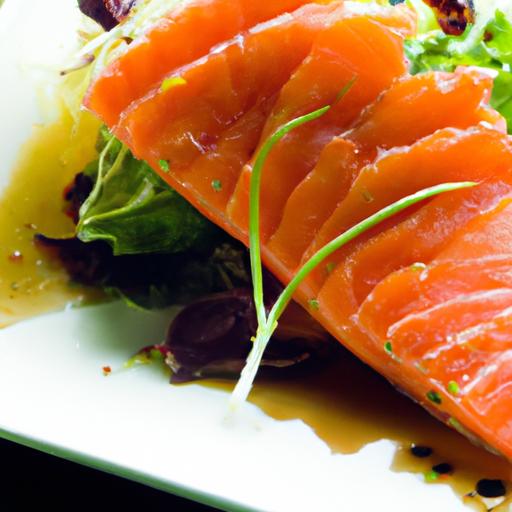

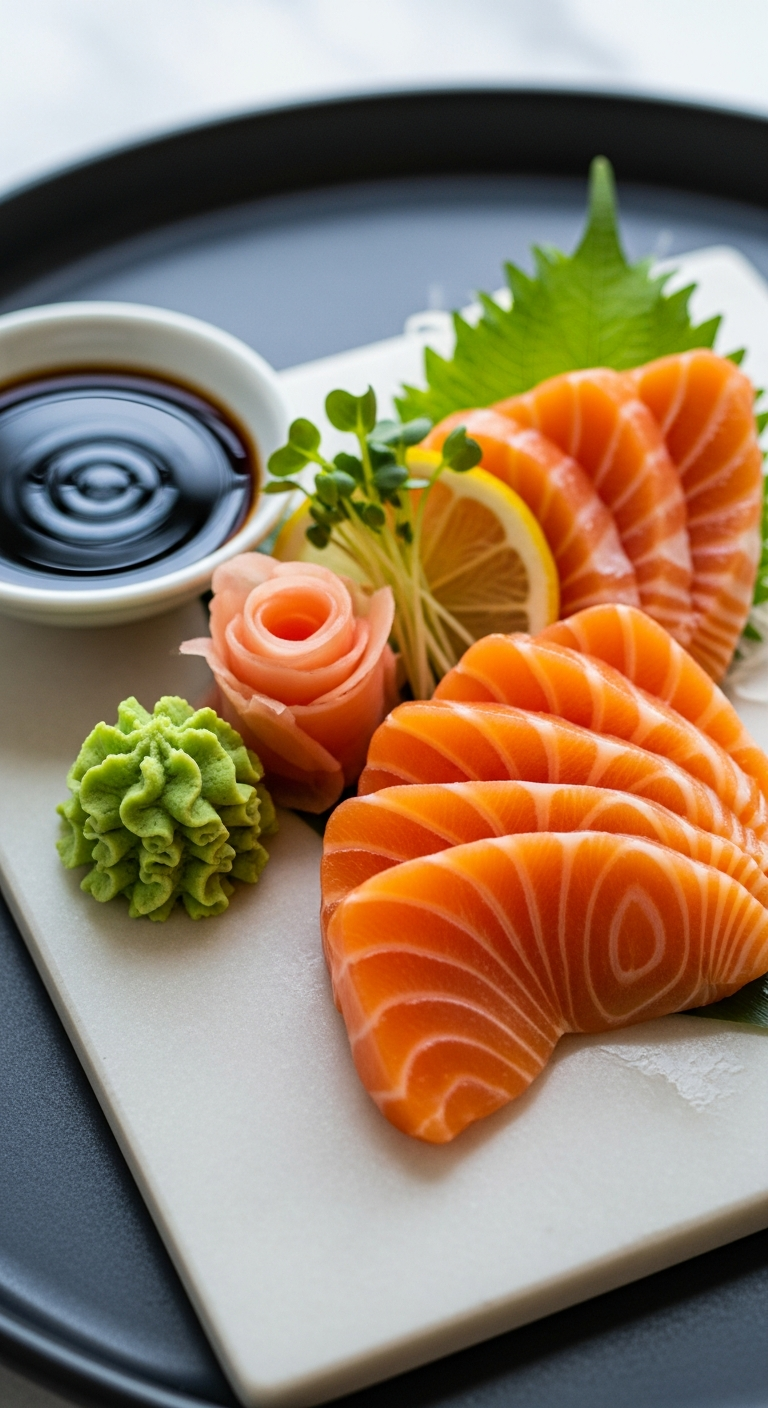
There is a quiet poetry in the art of salmon sashimi-a delicate balance between nature’s bounty and the skilled hands that transform a simple fish into an exquisite culinary experience. Beyond its vibrant pink hues and buttery texture lies a world where freshness is paramount, flavor is carefully coaxed, and craftsmanship is revered. In this article, we will dive deep beneath the surface of the plate to explore how the freshest salmon becomes a canvas for artistry, how subtle nuances of taste awaken the palate, and how tradition and technique converge to create a dish that transcends mere sustenance, becoming a sensory festivity. Welcome to the art of salmon sashimi.
The Art of salmon Sashimi: Freshness, Flavor, and Craft
The art of salmon sashimi begins with uncompromising freshness, precise knife skills, and a harmonious balance of customary and contemporary flavors. Originating from japan’s rich culinary heritage, this dish embodies purity, texture, and taste. I remember the first time I mastered slicing a fresh salmon fillet-each cut a delicate whisper that brought the fish to life on my plate.Today, I invite you to explore how selecting the perfect salmon, wielding the knife with finesse, and pairing bold yet subtle accompaniments can transform your sashimi experience into a celebration of flavor and craft.
Prep and Cook Time
- Readiness: 20 minutes
- total time: 20 minutes
Yield
Serves 4 as an appetizer or light main
Difficulty Level
Medium - Requires knife skills and ingredient selection awareness
Ingredients
- 500g fresh sashimi-grade salmon fillet, skin removed
- 2 tbsp soy sauce, preferably low sodium
- 1 tbsp freshly grated wasabi (or 1 tsp prepared wasabi paste)
- 1 tsp toasted sesame oil
- 1/4 cup thinly sliced daikon radish, soaked in cold water for 10 minutes
- Fresh shiso leaves or microgreens for garnish
- 1 lemon wedge (optional for zest and brightness)
Instructions
- Ensure salmon freshness by smelling the fillet; it should smell clean and ocean-fresh, never fishy. Keep it chilled until slicing.
- Place salmon on a clean cutting board. Using a very sharp,long sashimi knife,hold the blade at a 45-degree angle.
- Slice slowly and evenly, pulling the knife towards you in a single fluid motion to create clean cuts about 1/4-inch thick. Avoid a sawing motion to preserve texture.
- Arrange slices neatly on a chilled plate, slightly overlapping for a visually appealing layout.
- in a small bowl, mix soy sauce and toasted sesame oil.This provides an umami-rich dip complementing the salmon’s buttery texture.
- Serve sashimi alongside daikon radish for crispness and freshness and garnish with shiso leaves or microgreens to add herbal brightness.
- if desired, add a small dab of wasabi on each slice or allow your guests to customize their own bites with condiment options.
Tips for Success
- Select sashimi-grade salmon from a trusted fishmonger. Look for vibrant orange-pink flesh with white marbling and no discoloration.
- Always keep the salmon cold; warmth softens the flesh, diminishing texture and flavor. Slice directly before serving.
- Sharpen your knife often-dull blades crush rather than slice, harming presentation and mouthfeel.
- Practise your slicing technique by watching Japanese chefs online or enrolling in a knife skills class; it truly elevates the art.
- for a make-ahead option, slice within 2 hours and store sashimi pieces separated with wax paper in an airtight container, chilled at 32°F-36°F.
Serving Suggestions
Present your salmon sashimi on a long rectangular plate lined with bamboo leaves or crisp ice shards for stunning contrast. Pair with a side of pickled ginger to cleanse the palate between bites. Accompany with a delicate sake or a crisp dry white wine to amplify the fresh flavors.
| Nutrient | Per Serving |
|---|---|
| Calories | 220 kcal |
| Protein | 23 g |
| Carbohydrates | 1 g |
| Fat | 14 g |
Discover more sushi essentials here and learn how mastering salmon sashimi can be your gateway to the authentic Japanese culinary world.
For deeper understanding of fish handling and fresh seafood storage, visit the UC Davis Seafood Safety Guide.

Q&A
Q&A: The Art of Salmon Sashimi – freshness,Flavor,and Craft
Q1: What makes salmon sashimi distinct from other types of sashimi?
A1: Salmon sashimi stands out for its rich,buttery texture and vibrant coral hue,which immediately catch the eye and palate. Unlike leaner sashimi like tuna, salmon’s higher fat content offers a melt-in-your-mouth experience that balances richness with a subtle oceanic sweetness. Its the perfect harmony of texture and flavor that transforms a simple slice into a culinary delight.
Q2: How crucial is freshness when it comes to salmon sashimi?
A2: Freshness is the soul of salmon sashimi. The fish should smell clean and oceanic,never fishy. Fresh salmon offers a firm, translucent flesh that glistens with vitality.any hint of dullness or off-odor means the delicate balance of flavors and safety is compromised. true sashimi-grade salmon undergoes rigorous selection and immediate chilling to preserve its pristine quality.
Q3: Can you describe the flavor profile of a perfectly crafted piece of salmon sashimi?
A3: When crafted to perfection, salmon sashimi sings a subtle song of the sea. you’ll notice a creamy softness that gently yields to your bite, releasing sweet, delicate notes reminiscent of fresh spring waters and a whisper of umami richness. The fat marbling adds a velvety mouthfeel that lingers pleasantly, inviting you for another slice.
Q4: What goes into the craft of slicing salmon for sashimi?
A4: The art lies in balance and precision.slicing salmon sashimi requires a razor-sharp knife and steady hands, cutting against the grain at an angle that maximizes tenderness. The thickness must be just right-not too thin to lose texture, nor too thick to overwhelm the palate. This careful slicing unlocks optimal flavor release and aesthetic beauty on the plate.
Q5: Are there any tips for enhancing the enjoyment of salmon sashimi at home?
A5: Absolutely! Begin with sourcing sashimi-grade salmon from trusted suppliers. Chill the fish properly before slicing to firm up the flesh. Use a clean, sharp knife to create smooth, graceful cuts. Serve on a bed of crushed ice or shiso leaves for freshness and aroma. Pair with a touch of soy sauce, a dab of wasabi, and perhaps a delicate sprinkle of toasted sesame or yuzu zest to elevate the experience.
Q6: How has salmon sashimi influenced global culinary trends?
A6: Salmon sashimi’s popularity has soared worldwide as sushi culture expanded beyond Japan. Its approachable richness and eye-catching color make it a favorite among novices and connoisseurs alike. Chefs have embraced it as a canvas for innovation,blending traditional techniques with local flavors,introducing vibrant garnishes and creative presentations that celebrate this timeless delicacy’s global appeal.
In essence, the art of salmon sashimi is a celebration of nature’s freshness, the chef’s skill, and the diner’s appreciation – where every slice tells a story of ocean, craft, and flavor fused in perfect harmony.
In Summary
In the delicate dance of preparing salmon sashimi, every slice tells a story-one of ocean-fresh bounty, precise craftsmanship, and an intimate understanding of flavor. It is an art form that transcends mere sustenance, inviting us to slow down, savor simplicity, and celebrate the profound elegance hidden within the fish’s vibrant flesh. Whether you’re a seasoned sushi aficionado or a curious newcomer, embracing the nuances of freshness, texture, and technique transforms each bite into a moment of pure culinary poetry. Ultimately, mastering the art of salmon sashimi is about honoring nature’s gifts and the skillful hands that bring them to your plate-a timeless tradition that continues to enchant palates worldwide.