
In the colorful world of global cuisine, few dishes capture the essence of tradition and vibrancy quite like bibimbap. This iconic Korean bowl is more than just a meal-it’s a harmonious symphony of textures, flavors, and colors that tell a story deeply rooted in history. Each bite of bibimbap bursts with fresh vegetables, savory proteins, and spicy gochujang, all artfully arranged over a bed of fluffy rice. Beyond its tasty taste,bibimbap serves as a cultural canvas,reflecting Korea’s rich culinary heritage and its people’s appreciation for balance and beauty. Join us as we explore bibimbap bowls,uncovering the flavors and customs that make this dish a shining jewel in Korean tradition.
Bibimbap bowls evoke a rich tapestry of Korean culture, blending vibrant colors and bold flavors into one harmonious meal. Originating from the rural provinces of Korea,bibimbap was traditionally a way to use leftover vegetables and rice,making it a dish of resourcefulness and comfort. Today, it remains a culinary emblem, symbolizing balance, nourishment, and communal dining – qualities that make each bibimbap bowl a vibrant festivity of Korean tradition and innovation.
Prep and Cook Time
Readiness: 30 minutes | Cooking: 25 minutes | Total: 55 minutes
Yield
Serves 4 generous portions
Difficulty Level
medium – Perfect for those ready to explore Korean flavors with approachable techniques
Essential Ingredients and Their Unique Flavors
- 2 cups cooked short-grain white rice – sticky, slightly sweet base
- 1 cup spinach, blanched and squeezed – earthy and tender
- 1 medium carrot, julienned – adds crisp sweetness
- 1 cup shiitake mushrooms, sliced – umami-rich and meaty
- 1/2 cup bean sprouts, blanched – fresh, crunchy texture
- 4 eggs - traditionally sunny-side up for richness
- 100g ground beef or tofu, seasoned – savory protein base
- 2 cloves garlic, minced – pungent depth
- 2 tbsp sesame oil - nutty aroma that unites flavors
- 2 tbsp gochujang (Korean chili paste) - spicy, fermented kick
- 1 tbsp soy sauce – salty, umami boost
- 1 tsp sugar – balancing sweetness
- 1 tsp toasted sesame seeds – for garnish and gentle crunch
- Optional: sliced cucumber, kimchi, seaweed strips – refreshing and piquant accents
Step-by-Step Guide to Crafting the Perfect Bibimbap
- Prepare the rice: Start with freshly steamed short-grain rice, keeping it warm. The slightly sticky texture anchors the dish beautifully.
- Sauté vegetables: In a hot skillet, heat 1 tbsp sesame oil. Separately sauté carrots untill tender but still crisp, about 4 minutes. Then sauté shiitake mushrooms with minced garlic and a splash of soy sauce until deeply fragrant, about 5 minutes. Blanch spinach and bean sprouts in boiling water for 1-2 minutes, then squeeze out excess water.
- Cook protein: For ground beef or tofu, season with 1 tsp soy sauce, 1 tsp sugar, and a pinch of black pepper. Sauté in 1 tbsp sesame oil until fully cooked and caramelized - about 6-7 minutes.
- Fry eggs: In a separate pan, fry eggs sunny-side up with runny yolks for richness, seasoning lightly with salt.
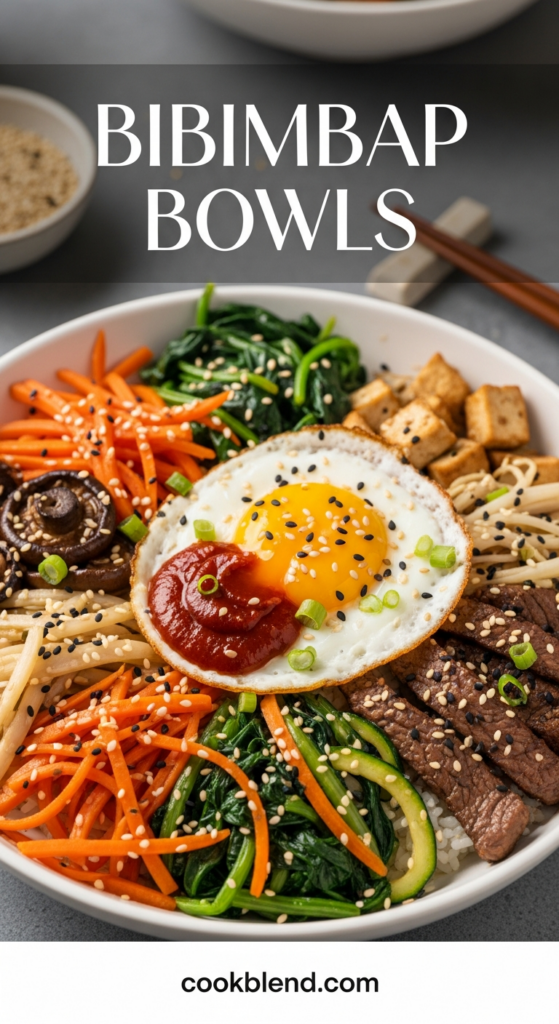
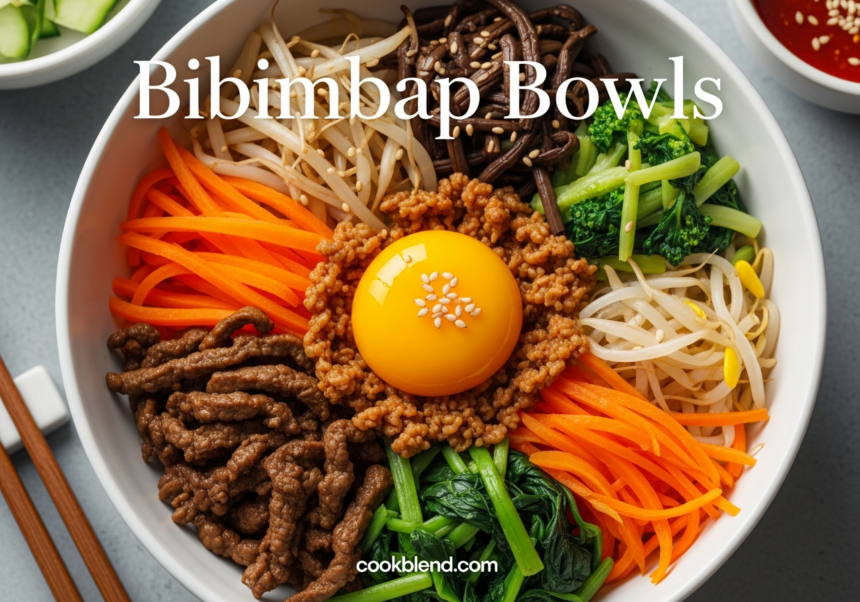
- Assemble your bibimbap bowls: Lay a warm bed of rice in each bowl. Arrange the sautéed and blanched vegetables, protein, and egg on top in vibrant sections, creating a mesmerizing mosaic. Sprinkle sesame seeds liberally.
- Add the sauce: Dollop gochujang in the center or on the side.Encourage diners to mix it all together just before eating, releasing bursts of flavor and warmth.
Tips for Customizing Bibimbap to suit your Taste Preferences
- Vegetarian Variations: Swap ground beef for seasoned tofu or tempeh, or increase mushroom varieties like enoki and king oyster for meaty depth.
- Spice Level: Adjust gochujang quantity or mix in a little honey to tame heat for sensitive palates.
- Texture Play: Add crunchy nuts like toasted pine nuts or roasted seaweed flakes for an extra textural punch.
- Make-Ahead Prep: Cook and store each ingredient separately to speed up mealtime assembly on busy days.
- Rice Option: Substitute white rice with brown rice or even quinoa for a nuttier, fiber-rich bowl.
Serving Suggestions
Present your bibimbap bowls in rustic ceramic dishes to highlight the vibrant colors. Garnish with a sprinkle of toasted sesame seeds and fresh julienned cucumber for a crisp counterpoint. Serve alongside traditional kimchi to complement the spicy depth. A small bowl of warm miso soup or clear broth can elevate the meal experience.Encourage guests to mix thoroughly,unlocking the full spectrum of flavors and textures – a ritual that’s as satisfying as the taste itself.

| Nutrient | Per Serving |
|---|---|
| Calories | 530 kcal |
| Protein | 22 g |
| Carbohydrates | 62 g |
| Fat | 15 g |
For further inspiration on Korean cuisine and its roots, explore our extensive guide to Korean culinary traditions. To deepen your understanding of bibimbap’s cultural background, this Encyclopedia Britannica article offers expert insights.
Q&A
Q&A: Bibimbap Bowls – A Vibrant Taste of Korean tradition
Q1: What exactly is bibimbap?
A1: Bibimbap,which translates to ”mixed rice,” is a classic Korean dish that brings together a colorful medley of ingredients over a bed of steamed rice. Think of it as an edible canvas, where vibrant vegetables, marinated proteins, crunchy textures, and a spicy-sweet sauce all blend harmoniously to create a masterpiece of flavor and tradition.
Q2: Where did bibimbap originate?
A2: Bibimbap has roots deeply embedded in Korean history, believed to have originated from the royal palaces and rural villages alike. Originally a practical way to use up leftover side dishes and rice, this humble combination evolved into a celebrated dish that symbolizes balance, both nutritionally and aesthetically, reflecting the Korean ideology of harmony in food.
Q3: What are the key ingredients in a traditional bibimbap bowl?
A3: Traditional bibimbap features a foundation of fluffy white rice topped with an array of sautéed or blanched vegetables such as spinach, bean sprouts, julienned carrots, and zucchini. It often includes marinated beef (bulgogi), a sunny-side-up egg, and a generous drizzle of gochujang – the iconic Korean red chili paste that adds that signature kick. Sesame oil and seeds round out the flavors with a nutty depth.
Q4: Why is bibimbap considered a symbol of Korean culture?
A4: More than just a meal, bibimbap embodies the Korean ideals of balance and unity. Each component represents a different color and nutrient group, echoing the traditional Korean belief in the five elements (wood, fire, earth, metal, water) and their harmonious interaction. Sharing bibimbap is also a communal experience, highlighting the cultural importance of togetherness and respect.
Q5: How do you properly enjoy a bibimbap bowl?
A5: The true magic of bibimbap lies in the mixing. Before taking your first bite, stir all the ingredients together vigorously until the rice is coated with gochujang and mingled with every crunchy, savory, and spicy element. This blend awakens your palate with a symphony of textures and flavors, inviting you to savor each mouthful’s vibrant essence.
Q6: Can bibimbap be adapted for modern or dietary preferences?
A6: Absolutely! Bibimbap’s versatility shines in its adaptability. Vegetarians and vegans swap beef and eggs for tofu, mushrooms, or hearty plant-based proteins. Gluten-free eaters can choose rice varieties accordingly, and adventurous cooks often experiment by adding quinoa, kimchi, or even fusion toppings while honoring the core tradition of balance and color.
Q7: Where can one experience authentic bibimbap outside Korea?
A7: Many Korean restaurants worldwide honor the tradition of bibimbap, serving it with authentic ingredients and artistry. Food festivals, Korean markets, and even home kitchens are great portals into this culinary delight. For the adventurous spirit, trying to create your own bibimbap bowl at home is a rewarding exploration of Korean culture-one colorful spoonful at a time.
Bibimbap isn’t just food; it’s a vibrant story of Korean heritage served in a bowl. Through its bold colors, fresh ingredients, and communal spirit, bibimbap invites everyone to experience a taste of tradition that’s as dynamic as the culture it comes from.
To Wrap It Up
As the final grain of rice settles and the vibrant colors of fresh vegetables, savory meats, and spicy gochujang mingle on your palate, bibimbap reveals itself not just as a dish, but as a celebration of harmony. Each bowl is an edible mosaic,telling stories of Korean heritage,balance,and the joyful art of coming together. Whether enjoyed in a bustling Seoul street market or recreated in your own kitchen, bibimbap invites you to savor the richness of tradition with every bite-reminding us that food, much like culture, is meant to be shared, experienced, and cherished.