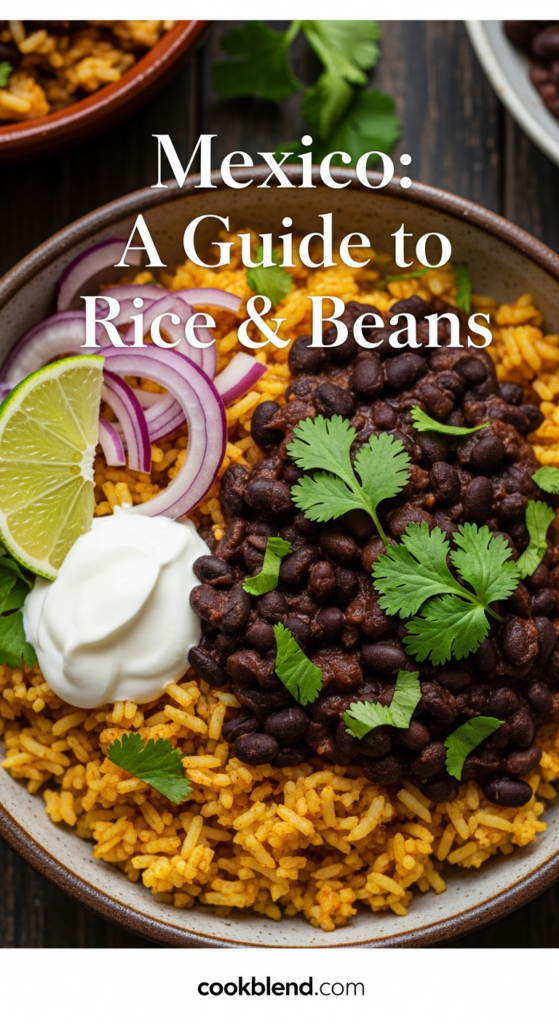

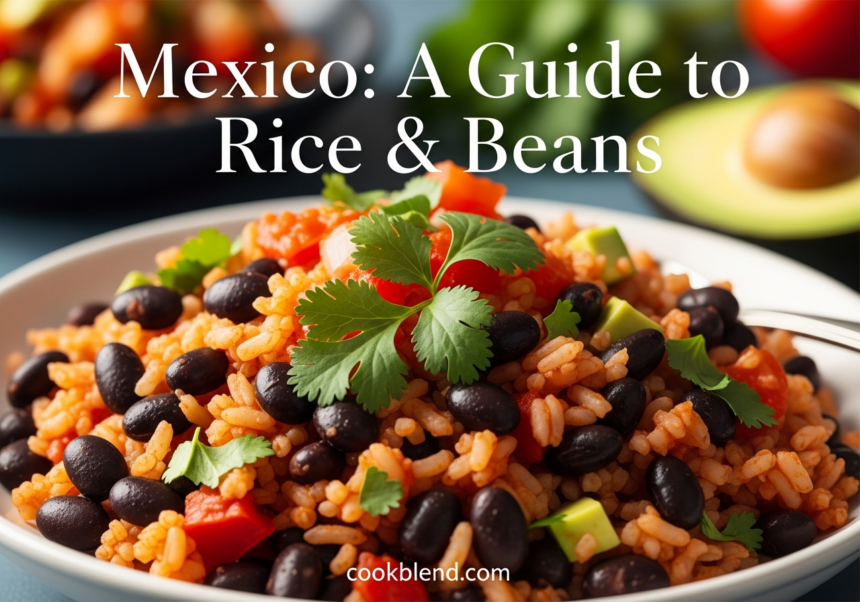
When it comes to the heart and soul of Mexican cuisine, few dishes embody its rich heritage and vibrant flavors quite like the humble pairing of rice and beans. More then just staple ingredients, this dynamic duo tells a story of tradition, culture, and community that has been passed down through generations. From the fragrant spices that dance on your palate to the comforting textures that wrap around your senses, savoring Mexico’s rice and beans is like taking a flavorful journey into the country’s very soul. Join us as we explore the history, variety, and mouthwatering recipes behind this iconic dish-your ultimate guide to experiencing a true Rice & Beans delight.
savoring the soul of Mexico through its cherished rice and beans recipes offers an unmatched culinary journey into the country’s heartlands. This humble duo, brimming with tradition and regional flair, forms the cornerstone of Mexican comfort food. Growing up, my abuela’s kitchen wasalive with aromatic layers of cumin, smoky chilies, and fresh herbs, where each pot simmered stories and heritage. With every bite, you unlock authentic flavors crafted through time-honored techniques and beloved local ingredients-transforming simple pantry staples into a vibrant, hearty feast.
Prep and cook Time
- preparation Time: 15 minutes
- Cooking Time: 45 minutes
- Total Time: 1 hour
Yield
Serves 4 generously
Difficulty Level
Easy to Medium-perfect for home cooks eager to explore conventional Mexican flavors
Ingredients
- 1 cup long-grain white rice, rinsed until water runs clear
- 1 ½ cups black beans, dried and soaked overnight (or 2 cans, drained and rinsed)
- 4 cups filtered water or low-sodium vegetable broth
- 2 tablespoons vegetable oil or rendered pork fat (lard) for authentic depth
- 1 small white onion, finely chopped
- 3 garlic cloves, minced
- 1 medium jalapeño pepper, seeded and diced
- 1 teaspoon ground cumin
- 1 teaspoon dried oregano (preferably Mexican oregano)
- 1 bay leaf
- Salt and freshly ground black pepper, to taste
- Fresh cilantro for garnish
- 1 fresh lime, cut into wedges (optional)
Instructions
- Prepare the beans: Drain soaked beans and place in a large pot with filtered water covering by 2 inches. Add bay leaf and a pinch of salt. Bring to a boil,reduce heat,and simmer gently for about 35-40 minutes or until tender but not mushy. For canned beans, skip this step and move to step 3.
- cook the rice: In a heavy-bottomed skillet,heat vegetable oil over medium heat. Add chopped onion, garlic, and diced jalapeño. Sauté until translucent and fragrant, about 5 minutes, stirring frequently to avoid burning.
- Add the rice: Stir in the rinsed rice,coating each grain in the aromatic oil and aromatics. Toast gently for 2-3 minutes until the grains appear slightly golden and emit a nutty scent.
- Add liquid and seasonings: Pour in 2 cups water or broth, then add cumin, oregano, salt, and pepper. Bring to a gentle boil, then reduce heat to low. Cover with a tight-fitting lid and simmer for 15-18 minutes, or until rice absorbs the liquid perfectly.
- combine beans and rice: Once beans are cooked, remove bay leaf and gently fold them into the rice. Stir carefully to distribute flavors without crushing the beans. Cover and let rest off heat for 5 minutes allowing flavors to marry.
- Final touches: fluff the rice and beans gently with a fork.Taste and adjust salt and pepper. Garnish with freshly chopped cilantro and a squeeze of lime juice for that signature zest and bright finish.
Tips for Success
- Choosing your beans: Black beans are classic, but try pinto or red beans for delightful variations.
- layering flavor: Toast your spices separately before adding to the rice to deepen their aroma.
- Rice alternatives: Substitute long-grain white rice with brown rice for a nuttier texture, increasing cooking time accordingly.
- Make-ahead solution: Prepare beans a day ahead to save time.Refrigerate the cooked beans,then heat when ready to combine into the dish.
- Vegetarian swap: For richer flavor without lard, use olive oil and add a touch of smoked paprika to mimic smoky notes.
Serving Suggestions
Present your rice and beans on a rustic earthenware plate for an authentic touch. Elevate your meal experience by pairing it with a vibrant {Focus Keyword} – such as tangy salsa verde or roasted tomato salsa. Complement this heartwarming dish with crisp jicama salad or pickled red onions to balance the earthiness.Top with crumbled queso fresco or sliced avocado for luxurious creaminess. A wedge of fresh lime on the side adds an invigorating zing with every squeeze. Perfect with warm homemade corn tortillas or crunchy totopos, this ensemble transports your taste buds directly to Mexico’s soul.

| Nutritional Information (per serving) | Amount |
|---|---|
| Calories | 320 kcal |
| Protein | 12 g |
| Carbohydrates | 56 g |
| Fat | 5 g |
Discover more about authentic Mexican cooking techniques and ingredients in our Mexican Cooking Basics guide. For extensive insights on beans’ nutritional benefits, visit the USDA’s official website.
Q&A
Q&A: Savor the Soul of Mexico – A Guide to Rice & Beans Delight
Q1: Why are rice and beans considered the heart of Mexican cuisine?
A1: Rice and beans are more than just staple ingredients-they’re the culinary soul of Mexico. Together, they create a perfect harmony of flavors, textures, and nutrients that reflect the country’s rich agricultural heritage and vibrant culture. Their simplicity masks a deep, soulful connection to family, tradition, and the land.
Q2: What types of beans are commonly used in Mexican rice and beans dishes?
A2: Mexico boasts a variety of native beans, but black beans, pinto beans, and red kidney beans reign supreme.Black beans bring a creamy, earthy flavor that pairs beautifully with savory rice, while pinto beans offer a buttery texture often used in refried beans, a beloved side dish.Q3: How does Mexican rice differ from plain white rice?
A3: Mexican rice, or “arroz rojo,” is a colorful, fragrant sensation. It’s typically sautéed with onions and garlic, then simmered in a rich tomato broth infused with spices like cumin and sometimes a hint of chili.The result is fluffy, reddish-orange grains bursting with flavor that complement the beans perfectly.
Q4: Can rice and beans be a complete meal on their own?
A4: Absolutely! When combined, rice and beans form a complete protein, supplying all essential amino acids our bodies need. This makes them a nutritious, satisfying meal that’s been cherished by communities from Mexico’s bustling cities to its tranquil countryside for centuries.
Q5: What regional twists can one find in Mexican rice and beans dishes?
A5: Each Mexican region leaves its unique stamp on this duo.In the Yucatán, rice might be cooked with achiote and orange juice for a tangy twist, while Oaxaca’s black beans often swim in rich, smoky chipotle sauces. Even the method of preparation-weather stewed, refried, or boiled-varies, showcasing the country’s culinary diversity.
Q6: How can home cooks capture the authentic essence of Mexican rice and beans?
A6: The secret lies in quality ingredients and mindful cooking. Use fresh, locally sourced beans if possible, toast the rice before cooking to enhance its nutty flavor, and don’t shy from fragrant additions like epazote, a traditional Mexican herb that adds a unique depth. Pair your dish with fresh salsa, warm tortillas, and a squeeze of lime for a true taste of Mexico.
Q7: What role do rice and beans play beyond nutrition in Mexican culture?
A7: They’re a symbol of unity and resilience. In Mexican households, preparing and sharing rice and beans is an act of love, a way to bring people together around the table. These humble ingredients tell stories of heritage, survival, and celebration, beautifully illustrating how food nourishes both body and soul.
Q8: Are rice and beans suitable for modern dietary preferences?
A8: Definitely. These plant-based staples fit perfectly into vegetarian, vegan, gluten-free, and even budget-conscious diets. Plus, their high fiber content aids digestion and promotes heart health, making them a deliciously wholesome choice for today’s health-aware eaters.
Q9: What are some creative ways to enjoy Mexican rice and beans beyond the traditional plate?
A9: Think outside the bowl: stuff rice and beans into tacos, burritos, or enchiladas; layer them in casseroles for a comforting meal; or blend black beans into dips and spreads. The possibilities are as vibrant and varied as Mexico’s culinary landscape, inviting adventurous eaters to explore every flavorful nook and cranny.
Q10: Why should everyone try savoring the soul of Mexico through rice and beans?
A10: Because in every grain of rice and every humble bean lies a story-of history, culture, and the joyful spirit of a people. to savor this dish is to connect with Mexico’s essence, enjoying not only a meal but a soulful experience that celebrates life, family, and flavor in its most genuine form.
Key Takeaways
As we close this flavorful journey through the heart of Mexican cuisine, remember that rice and beans are far more than simple staples-they are the soul’s sustenance, a delicious reflection of tradition, community, and history. Whether simmered slowly in a cozy kitchen or served with vibrant salsas at a bustling festival, these humble ingredients invite you to savor the rich tapestry of Mexico’s culinary heritage. So next time you sit down to enjoy a plate of arroz y frijoles, take a moment to appreciate the stories, the culture, and the love simmering within each bite. After all, true delight is found not just in the taste, but in the soul behind every dish.