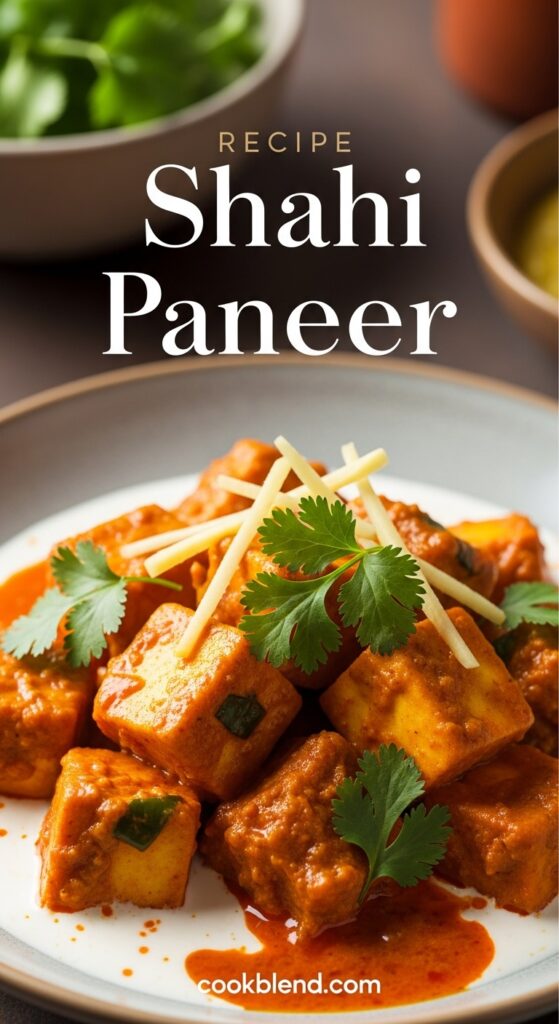

Steeped in history and brimming with regal flavors, Shahi Paneer stands as a crowning jewel in the vast tapestry of Indian cuisine. More than just a dish, it is a sumptuous party of royal kitchens where fragrant spices, creamy gravies, and tender cubes of paneer come together in harmonious splendor. This culinary masterpiece, whose name literally means “royal cheese,” invites food lovers on a flavorful journey through India’s rich heritage and aristocratic indulgence. In this article, we unveil the story behind Shahi Paneer, exploring its origins, ingredients, and the timeless allure that continues to captivate palates across the world.
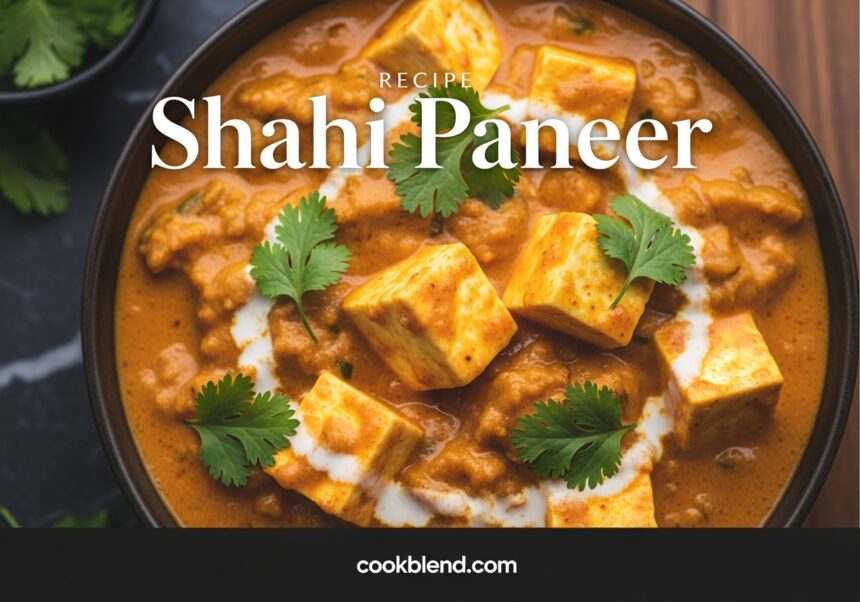
Shahi Paneer is much more than a beloved Indian dish; it is a culinary emblem of royal indulgence and sumptuous tradition. Originating from the opulent kitchens of mughal emperors, this creamy paneer curry embodies centuries of exquisite flavors, masterful spice blends, and a cultural heritage that continues to enchant food lovers worldwide.With its decadently rich gravy infused with aromatic spices,Shahi Paneer remains a festive favorite and a symbol of regal hospitality.
Prep and Cook Time
- Planning: 15 minutes
- Cooking: 30 minutes
- Total Time: 45 minutes
Yield
Serves 4 generous portions
Difficulty Level
Medium – suitable for home cooks comfortable with cooking Indian dishes but approachable for adventurous beginners.
Ingredients
- 250g paneer, cut into 1-inch cubes
- 3 tbsp ghee (clarified butter) or oil
- 1 large onion, finely chopped
- 1 tbsp ginger-garlic paste
- 2 medium tomatoes, pureed
- 1/4 cup cashew nuts, soaked in warm water for 15 minutes
- 1/4 cup fresh cream
- 1/2 cup milk
- 1 tsp cardamom powder
- 1/2 tsp saffron strands, soaked in 2 tbsp warm milk
- 1/2 tsp turmeric powder
- 1 tsp red chili powder
- 1 tsp coriander powder
- 1/2 tsp garam masala
- Salt to taste
- Fresh coriander leaves for garnish
- 1 tbsp rose water or kewra water (optional, for authentic aroma)
Instructions
- Prepare the cashew paste: Drain the soaked cashews and blend them with a splash of milk into a smooth, creamy paste.Set aside.
- Sauté aromatics: Heat ghee in a heavy-bottomed pan over medium heat. Add the finely chopped onions and sauté until golden brown, about 8-10 minutes, ensuring they do not burn.
- Enhance with ginger-garlic: Add ginger-garlic paste, cooking until the raw aroma dissipates-approximately 2 minutes.
- Spice it up: Mix in turmeric,red chili,coriander powders,and cardamom powder. Stir for 1 minute to bloom the spices and release their fragrance.
- Tomato puree: Pour in the pureed tomatoes and cook down until the oil starts to separate from the masala, about 8-10 minutes, stirring occasionally.
- Cashew cream magic: Add the cashew paste, stirring continuously to combine it with the tomato-based gravy. Cook another 3-4 minutes for richness.
- Add milk & cream: Slowly pour in the milk followed by the fresh cream, stirring gently to avoid curdling. Cook on low heat until the gravy thickens to a luscious, creamy consistency.
- Paneer time: Gently fold in the paneer cubes, allowing them to warm through for 5 minutes-avoid over-stirring to retain their shape.
- The royal touch: Stir in saffron milk, garam masala, and rose or kewra water if using. Adjust salt to taste and cook for another 2 minutes.
- Garnish and serve: Sprinkle freshly chopped coriander on top and serve piping hot with your choice of traditional breads and sides.
Chef’s Notes & Tips for Success
- For the richest flavor, substitute water with low-fat full-cream milk throughout the recipe.
- If you prefer a thinner gravy, increase the milk slightly, but keep cream constant for optimal texture.
- To intensify the aroma, lightly toast whole spices like cardamom and cloves before grinding them fresh.
- Paneer can be lightly pan-fried in ghee for a firmer texture and to add a golden crust.
- This dish makes excellent leftovers and can be gently reheated on low heat without losing its velvety texture.
- Cashew paste can be replaced with almond paste for a mild nutty flavor variation.
Serving Suggestions
Shahi Paneer pairs beautifully with traditional Indian breads such as naan, kulcha, or roomali roti. For an elegant feast, accompany it with fragrant basmati rice or a lightly spiced jeera pulao. Garnish with finely sliced ginger, a drizzle of cream, and a few slivers of toasted almonds or pistachios to amplify its royal look and taste. Completing your spread with cooling sides like cucumber raita or mint chutney will balance the richness and accentuate the complex flavors.

| Nutrient | Per Serving |
|---|---|
| Calories | 380 kcal |
| Protein | 18 g |
| Carbohydrates | 12 g |
| Fat | 28 g |
Looking to explore more authentic paneer recipes? Discover a variety of rich and flavorful dishes to delight your palate. For a deep dive into the history of mughlai cuisine, the Encyclopaedia Britannica offers thorough insights into the culinary heritage that shaped Shahi Paneer.
Q&A
Q&A: Shahi Paneer – The royal Delight of Indian Cuisine Unveiled
Q1: What exactly is Shahi Paneer?
A: Shahi Paneer is a regal and sumptuous North Indian dish, where soft cubes of paneer (Indian cottage cheese) are bathed in a rich, creamy gravy made from nuts, cream, tomatoes, and aromatic spices. The word “Shahi” means royal, reflecting the dish’s origins in Mughal kitchens, where it was served to emperors and nobility as a symbol of luxury and culinary finesse.
Q2: How did Shahi Paneer earn its royal reputation?
A: Shahi Paneer traces its heritage back to the Mughal Empire, known for its opulent feasts and intricate dishes. The Mughals prized rich, creamy flavors and elaborate slow-cooked gravies, often featuring nuts like cashews or almonds, fragrant spices, and fresh cream. This dish was crafted to satisfy the refined palates of royalty, embodying a perfect balance of decadence and subtlety.
Q3: What ingredients make Shahi Paneer so special?
A: The magic of Shahi Paneer lies in its harmonious blend of ingredients: tender paneer cubes, creamy yogurt or cream, pureed nuts (cashews or almonds), tomatoes, onions, and an exquisite combination of spices including cardamom, cinnamon, cloves, and nutmeg. This melding creates a silky, aromatic gravy that’s both rich and mildly spiced-not overpowering but deeply flavorful.
Q4: Is Shahi Paneer spicy or mild?
A: unlike many fiery Indian dishes, Shahi Paneer is characteristically mild and luscious. The heat is subtle and balanced by the cream and nuts, making it a perfect introduction to North Indian cuisine for those who prefer gentler flavors. The emphasis is more on richness and fragrance rather than intense spice.
Q5: How is Shahi Paneer typically served?
A: Shahi Paneer is a showstopper at festive meals and special occasions. It’s most commonly enjoyed with indian breads like naan, roti, or paratha, which are perfect for scooping the luscious gravy.It also pairs beautifully with basmati rice or lightly flavored pulao, allowing the dish’s royal flavors to shine.
Q6: Can Shahi Paneer be made at home easily?
A: Absolutely! While it may sound elaborate, with the right ingredients and a little patience, making Shahi Paneer at home is very achievable. Many home cooks adapt the recipe using blender-made nut pastes and store-bought cream, bringing a taste of royal Indian kitchens right to their own dining table.
Q7: Are there any popular variations of Shahi Paneer?
A: Yes! Some variations include adding saffron strands for a subtle floral aroma, incorporating dried fruits like raisins to enhance sweetness, or using tomato puree for a tangier gravy. Each version carries the essence of richness and elegance characteristic of the Shahi style but adds a unique personal or regional twist.
Q8: Why is Shahi Paneer a beloved dish beyond India?
A: The universal appeal of Shahi Paneer lies in its comforting creaminess and nuanced spice profile. It transcends cultural boundaries, offering a luxurious yet approachable taste of Indian cuisine to food lovers worldwide. Its royal roots and decadent texture make it a centerpiece dish that everyone can appreciate.Q9: What cultural significance does Shahi Paneer hold in Indian cuisine?
A: Beyond its appetizing taste, Shahi Paneer symbolizes India’s rich culinary history and the blend of cultural influences-from Persian to Mughal-that have shaped the nation’s food traditions. Serving shahi Paneer during celebrations echoes a respect for heritage, hospitality, and the joy of sharing sumptuous meals with loved ones.
Whether you’re a food enthusiast seeking royal indulgence or a curious palate exploring Indian flavors, Shahi Paneer offers a majestic journey into the heart of North Indian culinary artistry-one creamy bite at a time!
In Conclusion
As the rich, creamy textures and fragrant spices of Shahi Paneer dance on the palate, they tell a story far beyond the plate-a tale of royal kitchens, timeless traditions, and the culinary artistry that defines Indian cuisine. This regal dish, steeped in history and bursting with flavors, invites us to savor not just a meal, but a legacy. whether enjoyed in a majestic palace or a humble home, Shahi Paneer remains a vibrant symbol of India’s gastronomic heritage, forever deserving its place in the hearts and kitchens of food lovers around the world. So, the next time you indulge in this royal delight, remember: you’re tasting a piece of history, lovingly crafted and joyously celebrated.