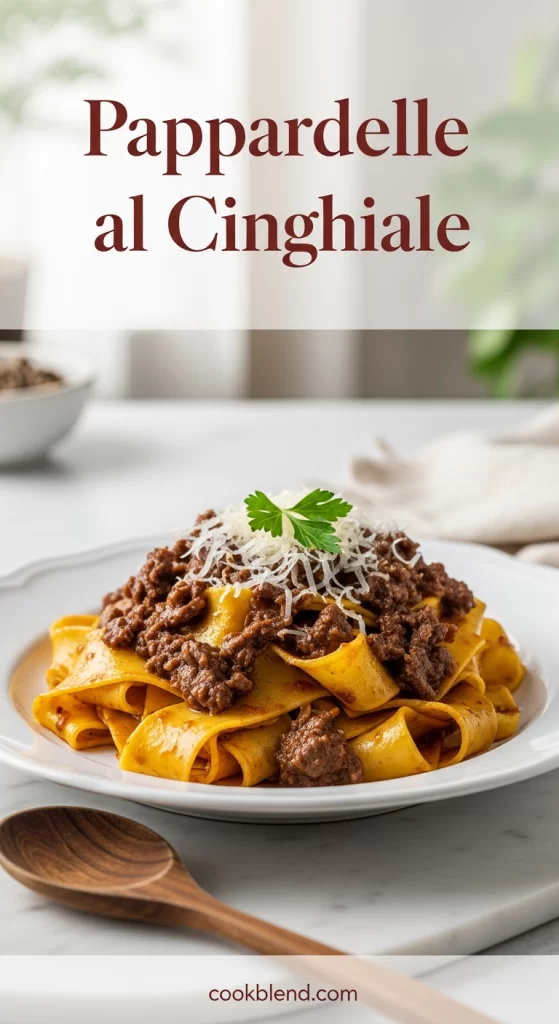

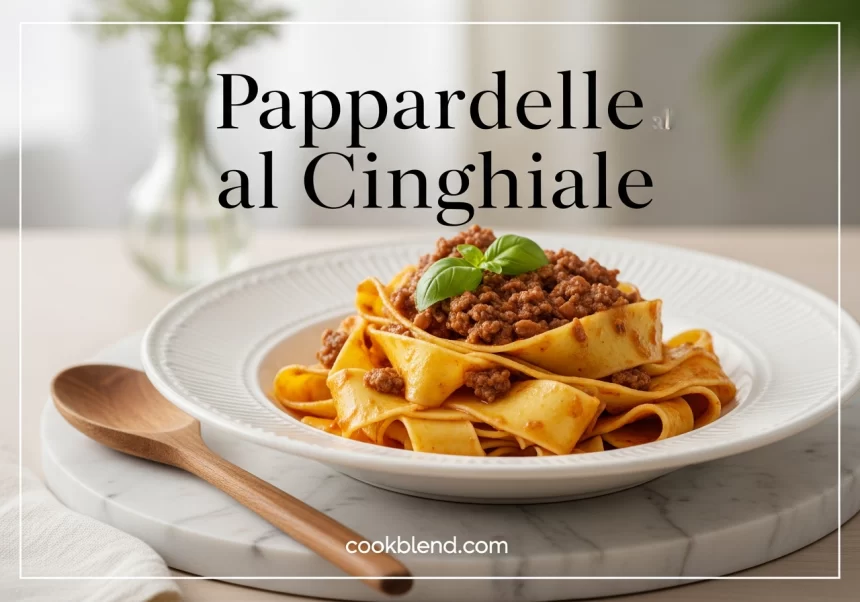
In the heart of Tuscany’s rolling hills, where ancient traditions intertwine with rustic charm, a culinary treasure awaits discovery: Pappardelle al Cinghiale. This hearty dish, featuring wide ribbons of fresh pasta embraced by rich, slow-cooked wild boar ragù, tells a story as wild and captivating as the tuscan countryside itself.Far more than just a meal, Pappardelle al Cinghiale is a party of local heritage, seasonal bounty, and time-honored techniques passed down through generations. Join us as we unveil the origins, flavors, and cultural significance behind Tuscany’s beloved wild boar delight-a dish that captures the vrey essence of the region’s soul.
Pappardelle al Cinghiale beautifully captures the heart and soul of Tuscany’s rustic cuisine. this hearty wild boar ragù speaks to a centuries-old tradition where the hunt meets the kitchen, offering a rich tapestry of flavors born from the rolling hills and dense forests. Each mouthful is a journey into tuscan countryside, where patience in slow-cooking and respect for local ingredients elevate simple pasta into a celebratory feast.
Origins and Traditions Behind Tuscany’s Wild Boar Pasta
Tuscany’s wild boar ragù is more than just a dish; it’s a narrative passed down through generations of hunters and home cooks. Historically, wild boar hunting was not only a means of sustenance but a cultural ritual, with the meat treasured for its intense, earthy flavor. The ragù evolved as a perfect way to tenderize the game meat, simmering it slowly with aromatic herbs, tomatoes, and robust reds, richly seasoned to reflect the forest’s bounty. Traditionally, this ragù is served with pappardelle, broad ribbons of fresh pasta that capture the luxurious sauce in every bite, embodying Tuscany’s unpretentious culinary artistry.
Prep and cook Time
- Preparation: 30 minutes
- Marination (optional): 12 hours (recommended for tenderizing)
- Cooking: 2 hours 30 minutes
- Total: Approximately 3 hours
Yield
serves 4 hearty portions
Difficulty Level
Medium - Ideal for cooks pleasant with slow-simmering and flavor layering
Ingredients
- 800g wild boar shoulder or neck, cut into 1-inch cubes
- 2 cups dry red wine, preferably Tuscan sangiovese
- 3 tbsp extra virgin olive oil
- 1 large onion, finely chopped
- 2 cloves garlic, minced
- 2 medium carrots, diced
- 2 celery stalks, diced
- 400g canned San Marzano tomatoes, crushed
- 2 tbsp tomato paste
- 1 cup beef or vegetable broth
- 2 sprigs fresh rosemary
- 2 fresh bay leaves
- Salt and freshly cracked black pepper, to taste
- 400g fresh pappardelle pasta
- Grated Pecorino Toscano cheese, for garnish
- Fresh flat-leaf parsley, chopped for garnish
Instructions
- Marinate the Wild Boar: Place the cubed wild boar in a bowl with the red wine. Cover and refrigerate overnight to tenderize and deepen flavor.
- Prepare the Meat: Remove the meat from marinade, pat dry with paper towels, reserving the wine. Season with salt and pepper.
- Sauté the Vegetables: Heat olive oil in a large heavy-bottomed pot over medium heat. Add onion, carrots, and celery, sautéing until softened and fragrant, about 5-7 minutes.
- Brown the Meat: Increase the heat to medium-high. Add the wild boar cubes in batches, browning all sides to lock in flavor-about 8 minutes per batch. Remove and set aside.
- Deglaze and Build the Sauce: Pour in reserved marinade, scraping the pot’s browned bits. Stir in tomato paste and crushed tomatoes.
- Simmer: Return meat to the pot.Add broth, rosemary, bay leaves, salt, and pepper. Reduce to low heat, cover partially, and let simmer for 2 to 2.5 hours, stirring occasionally, until the meat is fork-tender and sauce thickened.
- Cook the Pappardelle: Bring a large pot of salted water to a boil.Cook the fresh pappardelle according to package instructions, about 3-4 minutes until al dente. Drain thoroughly.
- Combine and Serve: Toss the pasta gently with the ragù. Plate generously, garnishing with freshly grated Pecorino Toscano and chopped flat-leaf parsley.
Chef’s Notes
- Meat Substitutes: If wild boar is unavailable, substitute with pork shoulder or venison for a similarly rich taste.
- Marination: Marinating the meat overnight is key to tender, flavorful ragù but can be skipped in a pinch-simply adjust cooking time.
- slow Cooking Tip: Low and slow is essential-avoid high heat to prevent toughening the meat.
- Make-Ahead: Ragù improves with rest-prepare a day ahead and gently reheat before serving.
- Fresh Pasta: Using fresh pappardelle enhances texture and carries the ragù better than dried options.
Serving Suggestions
Present the pappardelle al cinghiale rustic-style,ideally in wide shallow bowls that showcase the sauce’s vibrant reds against the glossy noodles. A light drizzle of high-quality extra virgin olive oil adds a subtle richness. Pair with shaved Pecorino Toscano for sharpness, and a sprinkle of fresh herbs to brighten the plate. Serve alongside a crisp, peppery Tuscan salad-arugula with lemon vinaigrette is perfect-as well as crusty, toasted ciabatta for mopping up every last drop.
Pairing with Regional Wines and Sides
Match this dish with robust Tuscan wines like Chianti Classico or Brunello di Montalcino. Thier bold tannins and bright acidity balance the rich, savory ragù superbly.As for sides, sautéed wild mushrooms or roasted seasonal root vegetables complement the woodland influence in the dish beautifully, staying true to Tuscany’s earth-to-table ethos.
| Nutrient | Per Serving |
|---|---|
| Calories | 720 kcal |
| Protein | 48g |
| Carbohydrates | 62g |
| Fat | 28g |

For an in-depth exploration of traditional Italian ragù variations, visit Italian Food Forever. Also, discover more authentic pasta recipes on our Tuscan Pasta Recipes page.
Q&A
Q&A: Pappardelle al Cinghiale – Tuscany’s Wild Boar Delight Unveiled
Q: What exactly is Pappardelle al Cinghiale?
A: Imagine wide, tender ribbons of pappardelle pasta embracing a rich, slow-simmered wild boar ragù. Pappardelle al Cinghiale is a traditional Tuscan dish that celebrates the rustic flavors of the Italian countryside, combining hearty wild boar meat with aromatic herbs, red wine, and perfectly textured pasta. It’s comfort food elevated to an art form.
Q: Why wild boar? What makes this meat special in Tuscan cuisine?
A: Wild boar, or “cinghiale” in Italian, is a prized game meat in Tuscany, known for its deep, earthy flavor and lean, yet tender texture. Hunted in the region’s dense forests, this meat connects the dish to the land’s ancient traditions, seasonal rhythms, and a way of life that treasures nature’s bounties. Its robust taste pairs beautifully with red wine and herbs, creating a symphony of flavors few other meats can match.
Q: How is the wild boar prepared for this dish?
A: The key is patience. The wild boar is marinated, often overnight, in red wine, garlic, juniper berries, and aromatic herbs. Then it’s slowly braised for several hours until meltingly tender, allowing the flavors to deepen and meld. This slow-cooked ragù becomes a luxuriously thick sauce that clings to each sumptuous strand of pappardelle.
Q: What makes pappardelle the ideal pasta choice here?
A: Pappardelle’s broad, flat shape is perfect for hearty ragùs like cinghiale. Its wide ribbons scoop and cradle the chunky, rich meat sauce, ensuring every bite bursts with flavor.The pasta’s slightly chewy texture contrasts delightfully with the tender boar, creating a balance that delights the palate.Q: Can Pappardelle al Cinghiale be found only in Tuscany, or is it enjoyed elsewhere?
A: While it’s a Tuscan specialty rooted in local tradition, Pappardelle al Cinghiale has won hearts far beyond the region’s rolling hills. Contemporary Italian restaurants worldwide often feature it, celebrating Tuscany’s culinary heritage. However, nothing compares to tasting it amid the sun-dappled vineyards and rustic trattorias of Tuscany itself.
Q: Are there seasonal or regional variations in this dish?
A: Absolutely! Wild boar hunting season, typically autumn through winter, sets the stage for this dish. some cooks add pine nuts, rosemary, or even a touch of chocolate to deepen the sauce’s complexity. Regional nuances may include different wine choices-sangiovese is a favorite- or a sprinkling of Pecorino Toscano cheese for the finishing touch.
Q: How can home cooks recreate Pappardelle al Cinghiale authentically?
A: It’s all about sourcing good ingredients and embracing time. Start with quality wild boar or a suitable substitute like pork shoulder if unavailable. Marinate the meat robustly, cook the ragù low and slow, and prepare fresh pappardelle or buy a good artisan pasta. Patience is key; the long simmer develops flavors that a swift sauce simply can’t match.
Q: What wine pairs best with pappardelle al Cinghiale?
A: A hearty, full-bodied Tuscan red is an ideal partner-think Chianti classico or Brunello di Montalcino.These wines echo the earthiness and depth of the boar ragù, creating a harmonious dining experience that transports you to the heart of Tuscany.
Q: Beyond taste, what cultural significance does this dish hold?
A: Pappardelle al Cinghiale is more than a meal; it’s a story on a plate. it embodies Tuscan respect for tradition, the cyclical dance of seasons, and the bond between people and their land. Sharing this dish is a celebration of heritage, the thrill of wild game, and the joy of rustic Italian hospitality.
Q: Why should someone who loves Italian food try Pappardelle al Cinghiale?
A: Because it’s a appetizing encounter with Italy’s wild side-a bold, flavorful journey that contrasts the gentle simplicity often associated with pasta. It’s a dish that invites you to savor history, nature, and craftsmanship all at once, enriching your understanding and recognition of Tuscany’s culinary soul.
Closing Remarks
As the sun sets over the rolling hills of Tuscany, Pappardelle al Cinghiale remains a timeless testament to the region’s rich culinary heritage-a dish where rustic tradition meets wild, robust flavor. each silky ribbon of pasta cradles the slow-cooked essence of wild boar, inviting you to savor not just a meal, but a story steeped in history and passion. Whether enjoyed in a bustling Tuscan trattoria or recreated in your own kitchen, this wild boar delight continues to captivate food lovers, embodying the heart and soul of Tuscany’s kitchen. So next time you seek a taste adventure, let Pappardelle al Cinghiale be your flavorful guide into the wild side of Italian cuisine.