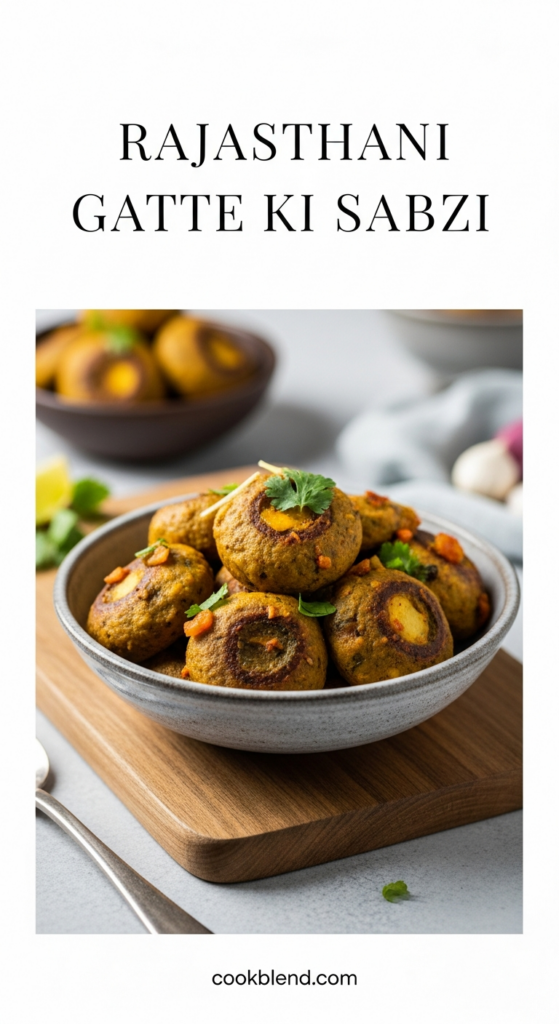

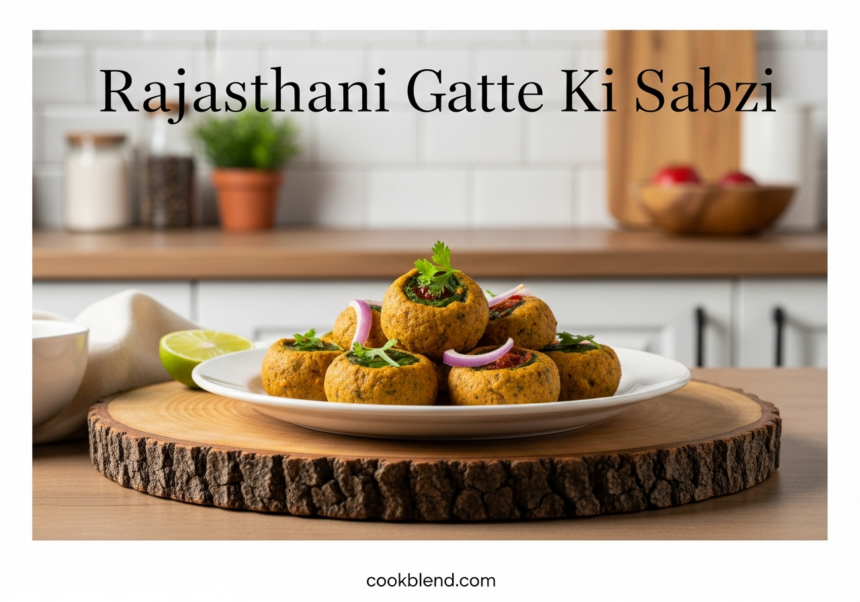
In the vibrant tapestry of Indian cuisine,few dishes encapsulate the rustic charm and bold flavors of Rajasthan quite like Gatte Ki Sabzi. This hearty curry, brimming with spiced gram flour dumplings simmered in a tangy yogurt-based gravy, is more than just a meal-it’s a flavorful journey into the heart of Rajasthani tradition. As we unravel the story behind this iconic dish, prepare to savor the intricate blend of spices and the cultural heritage simmering in every bite, revealing why Gatte Ki Sabzi remains a cherished staple on the tables of Rajasthan and beyond.
Savoring Rajasthani Gatte Ki sabzi invites you into the heart of Rajasthan’s culinary heritage, where simple ingredients transform into a bold and comforting delight. This iconic dish features tender gram flour dumplings simmered in an intensely spiced yogurt-based gravy. Loved across generations,gatte ki sabzi reflects the resourcefulness of Rajasthan’s arid landscape-turning staple pantry items into a flavorful feast. As a food stylist and culinary storyteller, I cherish how the golden gram flour rolls, bathed in a deep-hued curry, create a stunning, aromatic canvas that’s as visually inviting as it is indeed delectably nostalgic.
Prep and Cook Time
- Preparation: 20 minutes
- Cooking: 35 minutes
- Total Time: 55 minutes
Yield
Serves 4 generous portions
Difficulty Level
Medium – requires some finesse in rolling and simmering, but entirely rewarding.
Ingredients
- For the Gatte (Gram Flour Dumplings):
- 1 cup gram flour (besan), sifted
- 2 tbsp yogurt, beaten
- 1 tsp red chili powder
- 1 tsp carom seeds (ajwain)
- ½ tsp turmeric powder
- 2 tbsp oil, plus extra for frying
- Salt to taste
- For the Sabzi (Curry Gravy):
- 2 cups plain yogurt, well beaten
- 2 tbsp oil or ghee
- 1 tsp mustard seeds
- ½ tsp asafoetida (hing)
- 1 tbsp ginger-garlic paste
- 2 dried red chilies
- 1 tsp cumin seeds
- 1 tsp coriander powder
- 1 tsp red chili powder
- ½ tsp turmeric powder
- 1 tbsp gram flour (besan), roasted
- Salt to taste
- 2 cups water
- Fresh coriander leaves for garnish
Instructions
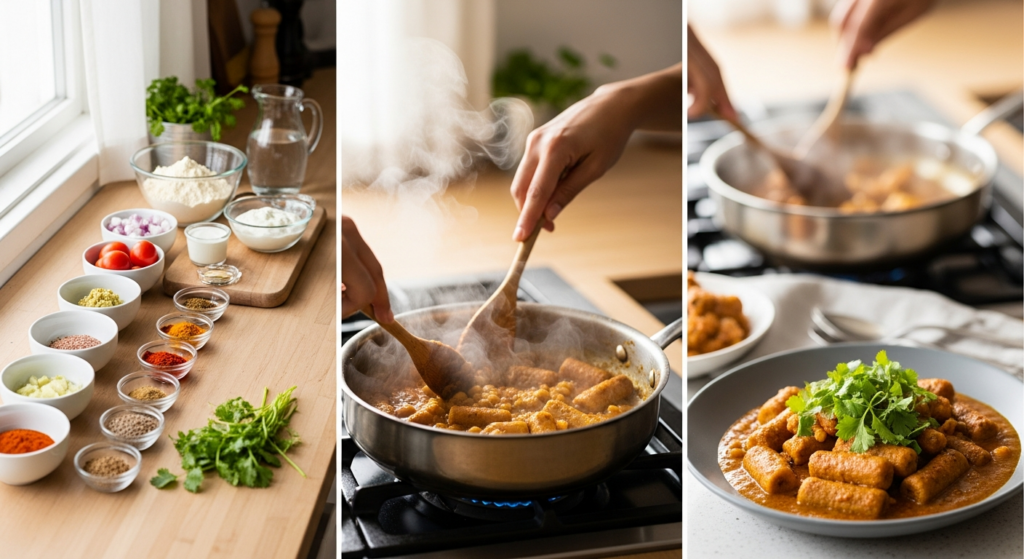
- Prepare the gram flour dough: In a large bowl, combine the sifted gram flour with yogurt, red chili powder, carom seeds, turmeric, 2 tablespoons oil, and salt. Knead into a smooth, firm dough. If to dry, add a teaspoon of water; if sticky, add a pinch more flour. Rest the dough for 10 minutes to relax.
- Shape the gatte: Divide the dough into 4 equal parts.Roll each into a cylindrical log, about 6 inches long and 1-inch thick, ensuring smooth, firm surfaces to prevent cracking.
- Cook the gatte: Bring a large pot of salted water to a gentle boil. Carefully drop the gram flour logs into boiling water. Cook for about 12 minutes; they will float when done. Remove and place on a cutting board to cool slightly.
- Slice and fry gatte: Once cool enough to handle, slice the gatte into 1/2 inch thick rounds. Heat 2 tablespoons oil in a pan over medium heat and shallow fry or lightly sauté dumplings until golden and crisp around edges – about 4-5 minutes. Set aside.
- Prepare the curry base: Heat oil or ghee in a heavy-bottomed pan. add mustard seeds, cumin seeds, and dried red chilies.When seeds begin to splutter,add asafoetida and ginger-garlic paste. sauté for a minute until fragrant.
- Spice it up: Add turmeric, red chili powder, and coriander powder. Stir quickly for 30 seconds to toast spices without burning.
- Add yogurt mixture: Slowly add beaten yogurt, stirring continuously to avoid curdling. mix in roasted gram flour to thicken the gravy, followed by salt and 2 cups of water. Simmer gently for 8-10 minutes, stirring occasionally.
- add gatte to the gravy: Gently slide in the fried gram flour dumplings.Simmer for another 10-12 minutes on low heat, allowing the gatte to absorb the spicy, tangy flavors.
- Finish and garnish: Taste and adjust seasoning. Garnish generously with freshly chopped coriander leaves before serving.
Tips for Success
- Ensure the gram flour dough is firm but pliable to create firm dumplings that hold shape during cooking.
- Resting the dough helps in easier rolling and better texture.
- Continuous stirring while adding yogurt is crucial to prevent splitting.
- Sautéing the dumplings adds a delightful crispness and texture contrast against the soft gravy.
- For a richer taste, replace water with light vegetable broth or add a spoonful of ghee while simmering.
- Make-ahead: Prepare and refrigerate the gatte logs a day prior; simply slice and cook fresh before adding to gravy.
Serving Suggestions
Serve this vibrant curry piping hot with steaming basmati rice or indian flatbreads such as roti, bajra rotla, or makki ki roti for an authentic Rajasthani experience.Garnish with fresh coriander and a dollop of mellow yogurt or a drizzle of melted ghee to elevate each bite. A side of crisp onion salad and tangy mango pickle pairs beautifully to balance the warm spices, making every meal a sensory celebration.
| Nutritional Facts (per serving) | Amount |
|---|---|
| Calories | 320 kcal |
| Protein | 12 g |
| Carbohydrates | 28 g |
| Fat | 18 g |

Embrace the soulful flavors of Rajasthan with this iconic dish, and dive deeper into Indian culinary traditions by exploring our Authentic Rajasthani recipes collection. For a detailed history on Rajasthan’s food culture, visit Britannica’s rajasthan overview.
Q&A
Q&A: Savoring Rajasthani Gatte Ki Sabzi – A Spicy Tradition Unveiled
Q1: What is Gatte Ki Sabzi, and why is it so iconic in Rajasthani cuisine?
A: Gatte Ki Sabzi is a traditional Rajasthani curry featuring gram flour (besan) dumplings cooked in a tangy, spicy yogurt-based gravy. This dish is iconic as it embodies the resourcefulness and robust flavors of Rajasthan, a land where ingredients must be hardy against the desert climate. Its unique texture and bold spices tell a culinary story deeply rooted in the region’s heritage.
Q2: How are the “gatte” made,and what makes them special?
A: The “gatte” are gram flour rolls that are steamed or boiled and then sliced into bite-size pieces before simmering in the curry. What makes them special is their dense, slightly chewy texture that soaks up the spicy gravy while maintaining a distinct bite. Crafted from chickpea flour and aromatic spices like turmeric, red chili powder, and ajwain, they add a fulfilling heartiness to the dish.
Q3: What are the key spices and ingredients that define the flavour of Gatte Ki sabzi?
A: Beyond gram flour, the key ingredients include yogurt (curd), mustard seeds, cumin, asafoetida (hing), turmeric, coriander powder, red chili powder, and a pinch of garam masala. The interplay between the creamy tang of yogurt and the warming heat from the spices creates a complex and comforting flavor profile that is both vibrant and nostalgic.
Q4: is there a cultural significance to Gatte Ki Sabzi in Rajasthan?
A: Absolutely. In Rajasthan’s arid environment, fresh vegetables can be scarce, so gram flour-made from chickpeas, which are easier to store-becomes a culinary mainstay. Gatte Ki Sabzi represents the ingenuity of Rajasthani cooks who crafted a dish that is both nourishing and flavorful, symbolizing a deep connection to the land and its challenges.
Q5: How is Gatte Ki sabzi traditionally served?
A: Traditionally, it’s served piping hot with bajra roti (millet flatbread), rice, or even simple chapatis.The bread helps scoop up the thick curry and gatte pieces, allowing diners to savor the medley of spicy, tangy, and earthy flavors all at once. It’s frequently enough accompanied by a dollop of fresh butter or a side of tangy pickles to balance the richness.
Q6: Can Gatte Ki Sabzi be adapted for modern palates or dietary preferences?
A: Certainly! While its roots are deeply traditional, cooks today experiment by baking or air-frying the gatte for a lighter variation. Yogurt can be replaced with plant-based alternatives for vegan preferences. Additionally, some may add a hint of cream or coconut milk to mellow the spices. Yet, these adaptations still cherish the dish’s spirit-celebrating the boldness and warmth of Rajasthani flavors.
Q7: What’s the best way to experience Gatte Ki Sabzi authentically?
A: To truly savor Gatte Ki Sabzi, immerse yourself in a home-style setting where it’s lovingly prepared from scratch. Enjoy it with freshly made roti and a glass of buttermilk, and take time to appreciate the blend of textures and layered spices. Visiting Rajasthan’s local eateries or family kitchens offers an unforgettable taste of this spicy tradition, connecting you to centuries of culinary art.
Q8: Why should food lovers add Gatte Ki Sabzi to their culinary repertoire?
A: As it’s more than just a dish-it’s a celebration of resilience, regional ingenuity, and bold flavors that defy the desert’s harshness. Gatte Ki Sabzi invites food lovers to explore the heart of Rajasthani culture through a spicy, tangy, and comforting taste adventure. Every bite offers a conversation between tradition and taste, making it a must-try for any culinary enthusiast.
In Retrospect
As the fragrant aroma of cumin and coriander lingers in the air,Gatte Ki Sabzi emerges not just as a dish but as a vibrant thread woven into Rajasthan’s culinary tapestry. Beyond its spicy, tangy flavors lies a story of tradition, resilience, and the art of transforming simple ingredients into a feast that delights the senses.Whether served at a celebratory thali or a humble village meal, savoring this iconic curry invites you to experience the heart of Rajasthani culture-bold, enduring, and richly flavorful. So, the next time you crave a taste adventure steeped in history, let Gatte Ki Sabzi be your flavorful guide to the spice-laden soul of Rajasthan.