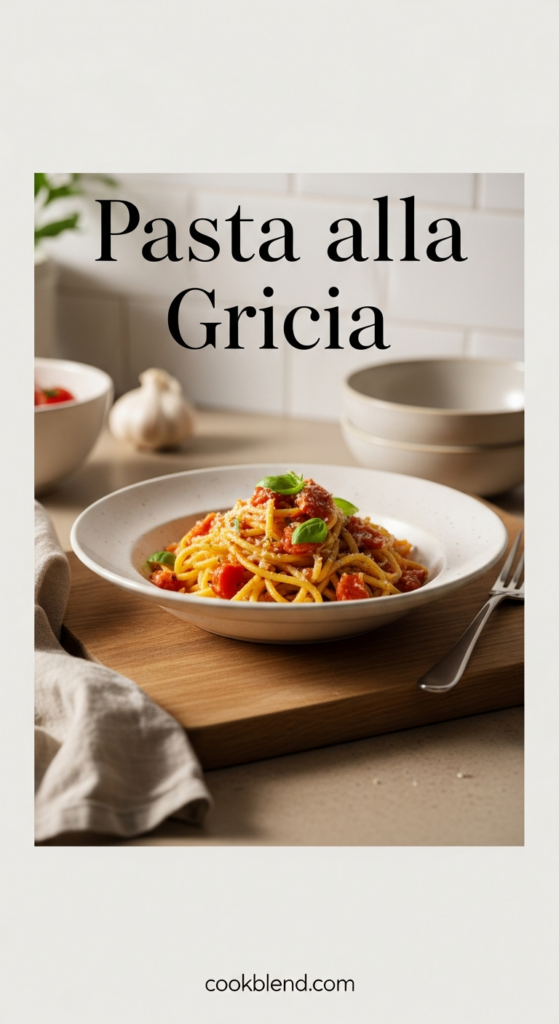

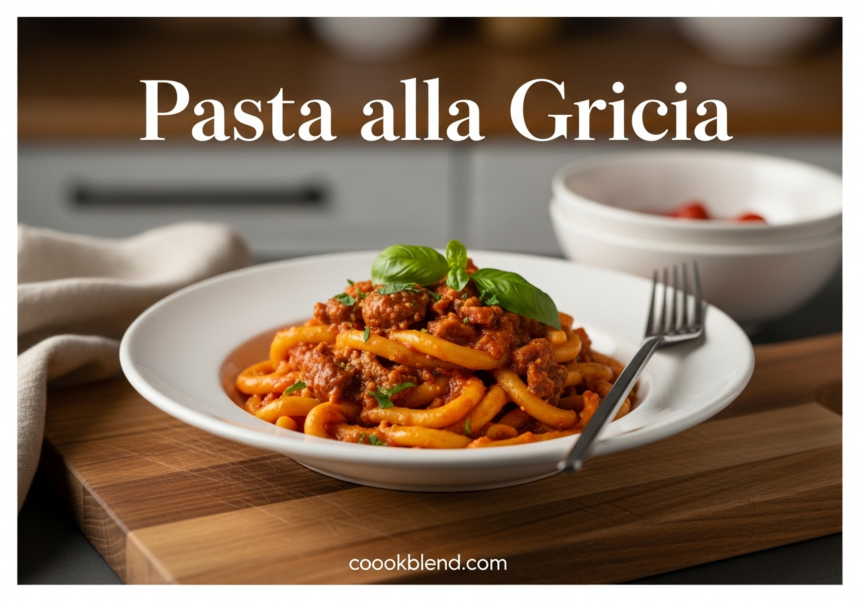
In the heart of Roman culinary tradition lies a dish as timeless as the city’s ancient stones-pasta alla Gricia. Often overshadowed by its more famous relatives, Carbonara and Amatriciana, this humble yet hearty recipe unlocks a rich history and authentic flavor that transports you straight to the bustling trattorias of Rome’s historic quarters. With just a handful of simple ingredients-guanciale, pecorino cheese, black pepper, and pasta-Pasta alla Gricia exemplifies the art of creating extraordinary taste from modest origins. Join us as we delve into the origins, secrets, and enduring appeal of this classic Roman masterpiece, a true testament to the city’s culinary heritage.
Pasta alla Gricia is an ancient Roman treasure that celebrates simplicity at its finest. This dish, frequently enough regarded as the precursor to the iconic Carbonara, showcases a harmonious blend of just a few traditional ingredients, each carrying centuries of culinary heritage. Originating from the Lazio region, Pasta alla gricia’s hallmark lies in the robust flavor of guanciale, the creamy depth of Pecorino Romano, and the subtle richness that a well-executed technique imparts.Whether it’s the rustic air of Rome’s trattorias or a cozy evening at home, this dish invites you to experience an authentic slice of Roman history through your palate.
Prep and Cook Time
- Preparation Time: 10 minutes
- Cooking Time: 15 minutes
- Total Time: 25 minutes
Yield
- Serves 4 people generously
Difficulty Level
- Medium - Requires attention to timing and technique to balance flavors perfectly
Ingredients
- 400g (14 oz) rigatoni or spaghetti, preferably artisanal or semolina pasta
- 150g (5 oz) guanciale, diced into small strips
- 100g (3.5 oz) Pecorino Romano cheese, finely grated
- Freshly cracked black pepper, to taste
- Salt, for pasta water
Instructions
- Bring a large pot of salted water to a boil. Remember, the water should be salty like the sea to season your pasta perfectly.
- Cook the rigatoni or spaghetti until al dente, about 1-2 minutes less than package instructions. Reserve about 1 cup of pasta water before draining.
- While pasta cooks, gently sauté the guanciale in a cold pan over medium heat. Let the fat render slowly and the meat crisp until golden brown and fragrant, about 5-7 minutes.Stir occasionally to avoid sticking or burning.
- Remove the pan from heat and add a ladle of reserved pasta water to the guanciale to create a silky sauce base.
- drain pasta and transfer instantly into the pan with the guanciale. Toss vigorously to coat the strands, allowing the starch from the pasta water to emulsify the sauce.
- Turn the heat to very low, then sprinkle in most of the Pecorino Romano and freshly cracked black pepper. Toss continuously to form a creamy coating without scrambling the cheese.
- Add additional pasta water as needed to reach your desired sauciness-smooth and glossy, never dry.
- plate immediately, finishing with a generous sprinkle of Pecorino and a last crack of black pepper.
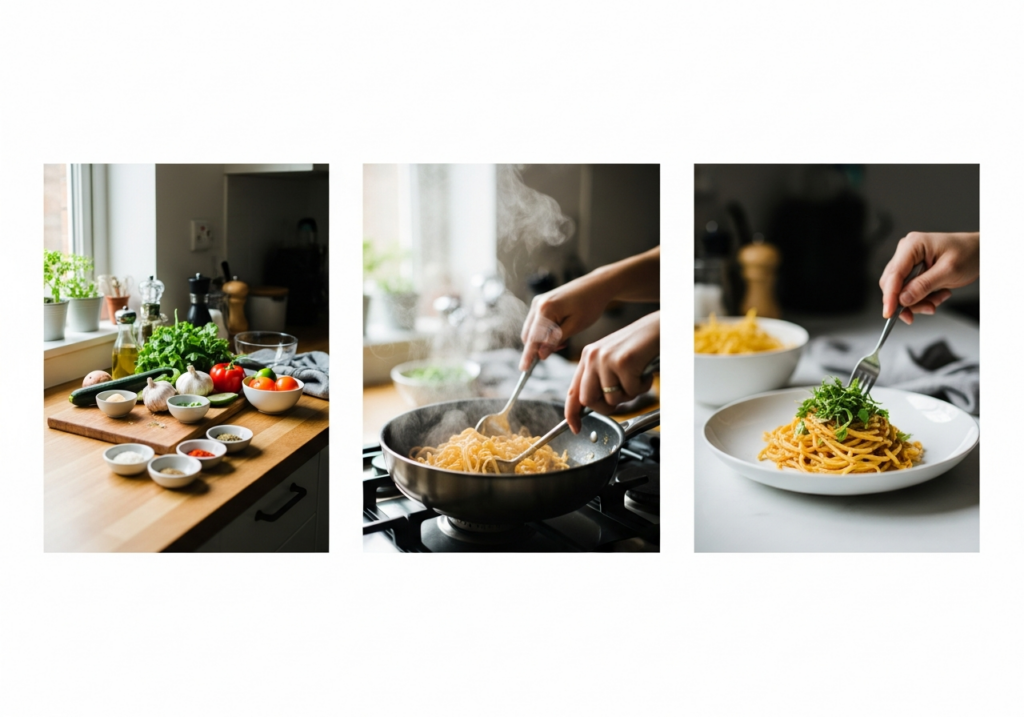
Tips for Success
- Guanciale is king: For authentic flavor, avoid pancetta or bacon substitutes. If unavailable, consider high-quality pancetta but expect a slight variation.
- Control your heat: Avoid cooking the cheese directly on high heat to prevent clumping. Low and slow mixing achieves silky results.
- Cheese choice: Use aged Pecorino Romano for sharpness and saltiness. Freshly grate it for the best melt and flavor integration.
- Make-ahead tips: Prepare grated cheese and diced guanciale in advance. reheat carefully,adding pasta water to refresh sauce texture.
Serving Suggestions
This dish shines when kept simple. Serve Pasta alla Gricia in wide, shallow plates to showcase its rustic appeal. Garnish with a small twist of fresh cracked black pepper and an extra dusting of Pecorino Romano for visual and savory pops. Pair with a crisp white Italian wine like Frascati or even a light-bodied red such as Chianti to complement the richness. A side of grilled seasonal vegetables or a simple arugula salad dressed with lemon and olive oil provides a refreshing counterpoint.

| Nutrient | Per Serving |
|---|---|
| Calories | 520 kcal |
| Protein | 24 g |
| Carbohydrates | 58 g |
| Fat | 18 g |
Where to Savor Authentic Pasta alla Gricia in Rome
For those craving the genuine experience, Rome abounds with trattorias that serve Pasta alla Gricia as their pride and joy. Classic spots such as Roscioli near campo de’ Fiori or da Enzo al 29 in Trastevere offer renditions steeped in tradition and ambiance. The secret of their success? Perfectly rendered guanciale,freshly grated Pecorino,and an al dente bite that transports you back centuries.
To deepen your journey, check out Academia Barilla’s past overview of the dish’s roots and ingredients, a reliable source for passion-driven Italian culinary artistry.
Ready to try other Roman classics? Explore our roman Pasta Recipes collection for more flavorful journeys through Italy’s capital flavors.
Q&A
Q&A: Pasta alla Gricia – Discover Rome’s ancient Flavor Classic
Q: What exactly is Pasta alla Gricia?
A: Pasta alla Gricia is one of the oldest and most cherished pasta dishes from Rome, frequently enough considered the precursor to the famous Carbonara. It’s a simple yet deeply flavorful dish that combines guanciale (cured pork cheek),Pecorino Romano cheese,black pepper,and pasta-no cream,no tomatoes,just pure Roman tradition on a plate.
Q: How did Pasta alla Gricia get its name?
A: The name “Gricia” is believed to come from the medieval Roman district called “La Gricia,” where butchers and food vendors sold their goods. This humble origin hints at the dish’s rustic roots, built from everyday ingredients beloved by locals long before it became a Roman kitchen classic.
Q: What makes Pasta alla Gricia different from Carbonara or Amatriciana?
A: While Carbonara adds eggs and Amatriciana includes tomato sauce, Gricia relies on the intense flavors of guanciale and Pecorino alone. It’s a more ancient, stripped-back recipe where the magic happens through perfectly rendered pork fat melding with salty, sharp cheese and pepper, coating al dente pasta.
Q: Which pasta types suit Pasta alla Gricia best?
A: Traditionally, rigatoni or tonnarelli-thick, ridged pasta or long egg noodles-are favored because they hold the sauce beautifully. The ribs or grooves trap the delicious pork juices and cheese, making every bite a burst of savory delight.
Q: Can I make Pasta alla Gricia at home without guanciale?
A: While guanciale is ideal for its unique flavor and texture,pancetta is a common substitute that works in a pinch. just remember to cook it slowly to render out the fat and keep the intensity that defines the dish. Avoid bacon, which can be smokier and throw off the classic balance.
Q: Why is Pasta alla Gricia considered a “minimalist masterpiece”?
A: Because with just four key ingredients, it achieves a complex harmony of taste and texture. The dish’s genius lies in celebrating simplicity-each component shines, proving that culinary excellence doesn’t need extravagance, just quality and technique.
Q: Is Pasta alla Gricia a seasonal dish?
A: Not at all! Its hearty, comforting nature makes it perfect year-round, whether you’re craving a warm Roman dinner in winter or a quick, satisfying meal in the summer.
Q: How can I elevate my Pasta alla Gricia experience?
A: Use the best Pecorino Romano you can find and freshly cracked black pepper. Cook your pasta to “al dente” perfection and don’t rush the guanciale-it needs time to release its savory oil.Pair the dish with a crisp Italian white wine, like Frascati, to complement the richness.
Q: Why should food lovers try Pasta alla Gricia?
A: As it’s a delicious link to Rome’s gastronomic past, a dish that tells a story through every bite. It’s simple, soulful, and utterly satisfying-a true taste of Italy’s eternal city in all its ancient glory.
Future Outlook
As the last forkful of Pasta alla Gricia melts away, you’re left not just with the comforting warmth of guanciale and pecorino, but with a vivid taste of Rome’s culinary heritage. This ancient recipe, simple yet profound, carries the essence of a city where history and flavor intertwine effortlessly. Whether you’re a seasoned food lover or a curious newcomer, embracing the timeless charm of Pasta alla gricia offers more than a meal-it’s a delicious journey back to the roots of Roman cuisine. So next time you crave something authentically Italian, remember that sometimes, the classics hold the most enduring stories on a plate.