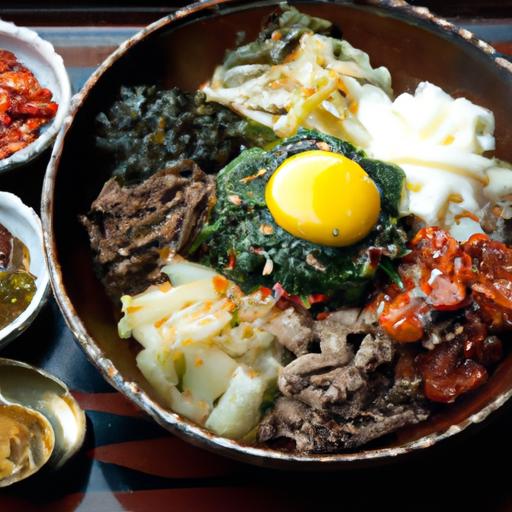

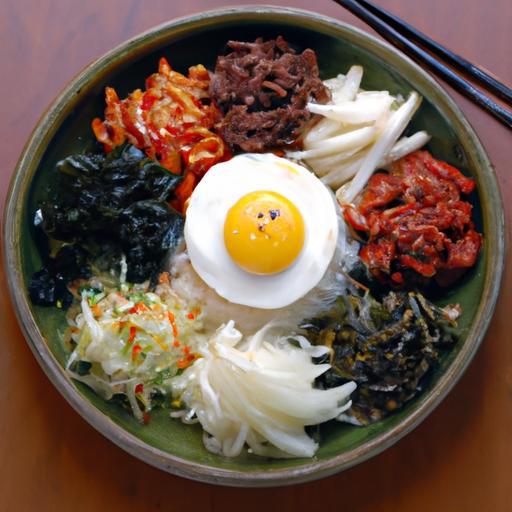
Vibrant, wholesome, and bursting with flavor, bibimbap bowls are much more than just a meal-they are a celebration of Korean culinary artistry and culture. Each bowl is a harmonious mosaic of fresh vegetables, tender marinated meats, fragrant rice, and a fiery kick of gochujang sauce, inviting food lovers on a colorful journey through the heart of Korea. This iconic dish tells a story with every bite, blending tradition and nutrition in a way that’s both visually stunning and deeply satisfying. join us as we explore the origins, ingredients, and cultural importance of bibimbap bowls, uncovering the secrets behind their enduring global appeal.
Bibimbap bowls offer a vibrant and harmonious balance of flavors and textures that celebrate Korea’s culinary heritage. This iconic dish, originating from Jeonju, is more than just a meal-it’s an artistic expression were each ingredient plays a crucial role, layering taste and nutrients to yield a wholesome experience. From the nutty warmth of toasted sesame oil to the fiery kick of gochujang, every component tells a story of tradition and health.
Prep and Cook Time
Preparation: 30 minutes
Cooking: 20 minutes
Total Time: 50 minutes
Yield
Serves 4 generous bowls
Difficulty Level
Medium – Perfect for adventurous home cooks ready to explore authentic korean flavors
Ingredients
- 2 cups cooked short-grain white rice (preferably warm and fluffy)
- 1 cup spinach, blanched and squeezed dry
- 1 cup bean sprouts, blanched
- 1 medium carrot, julienned and sautéed lightly
- 4 shiitake mushrooms, thinly sliced and sautéed
- 200g ground beef or plant-based option
- 2 cloves garlic, minced
- 2 tablespoons soy sauce, divided
- 1 teaspoon sesame oil, plus extra for drizzling
- 1 tablespoon vegetable oil
- 4 eggs, sunny side up
- 2 tablespoons gochujang (Korean chili paste)
- 1 teaspoon sugar
- 1 tablespoon toasted sesame seeds
- Thinly sliced nori (seaweed), for garnish (optional)
- Salt and pepper, to taste
Instructions
- Prepare the rice: Cook the short-grain rice according to package instructions. Keep warm before assembling yoru bibimbap bowls.
- Sauté vegetables: Heat 1 teaspoon vegetable oil in a skillet over medium heat. Add carrot and cook until tender yet crisp, about 3-4 minutes. Remove and set aside. Repeat the process for the shiitake mushrooms, seasoning lightly with salt.
- Season the spinach and bean sprouts: Toss spinach and bean sprouts separately with 1/2 teaspoon sesame oil, 1/2 tablespoon soy sauce, and a pinch of salt. Set aside.
- cook the ground beef: In the same skillet, add remaining oil and garlic. sauté until fragrant, about 30 seconds. Add ground beef, 1 tablespoon soy sauce, sugar, salt, and pepper. Cook until browned and cooked through, about 6-7 minutes.Remove from heat.
- Make the sauce: In a small bowl, combine gochujang with 1 teaspoon sesame oil and a splash of warm water to create a smooth, pourable sauce.
- Fry the eggs: In a separate pan, fry eggs sunny side up, making sure the yolk remains runny for that luscious texture contrast.
- Assemble your bibimbap bowls: Start with a generous base of warm rice in each bowl. Artfully arrange the spinach, bean sprouts, carrot, mushroom, and seasoned beef in sections over the rice, creating a colorful mosaic. Carefully place the fried egg in the centre.
- Garnish and serve: Drizzle your gochujang sauce over the top, sprinkle with toasted sesame seeds and thin strips of nori. Present the bowl with chopsticks and a spoon for mixing.
Tips for Success
- Vegetable Variations: Try adding zucchini, cucumber, or radish kimchi to deepen the flavor profile.
- Protein Swaps: For a vegetarian version, omit beef and increase mushrooms or tofu cubes sautéed with soy sauce and garlic.
- Rice Texture: Use short-grain rice for optimal stickiness; rinse thoroughly before cooking for fluffier grains.
- Make-ahead: Pre-prepare and season vegetables and protein, than assemble bowls just before serving to maintain freshness.
- Balance is key: Don’t overload on sauce-start light, then adjust to taste after mixing your bibimbap thoroughly.
Serving Suggestions
This bibimbap bowl shines when served family-style,inviting everyone to mix their ingredients together just before eating to enjoy the explosion of layered flavors. Pair with a side of mild kimchi and a cup of warm barley tea to complete a traditional Korean meal experience. For an elevated presentation, serve in stone bowls (dolsot) to keep the rice piping hot and create a crispy layer at the bottom.

| Nutrient | Per Serving |
|---|---|
| Calories | 480 kcal |
| Protein | 25 g |
| Carbohydrates | 60 g |
| Fat | 14 g |
Discover even more Korean culinary delights by checking out our Authentic Kimchi Recipe for perfect balance alongside your bibimbap bowls. For deeper insight into the health benefits of ingredients like spinach and gochujang, the Healthline article on gochujang offers excellent nutritional perspectives.
Q&A
Q&A: Bibimbap Bowls - A Colorful Journey into Korean Flavors
Q1: What exactly is Bibimbap, and why is it so beloved in Korean cuisine?
A: Bibimbap literally means “mixed rice” in Korean. It’s a vibrant, harmonious bowl of warm rice topped with an array of sautéed and seasoned vegetables, marinated beef (or tofu for vegetarians), a fried egg, and a dollop of spicy gochujang sauce. Loved for its balance of flavors, textures, and nutrients, Bibimbap is like a culinary canvas where every ingredient plays a vital role-offering comfort, nourishment, and an explosion of tastes in every bite.
Q2: How does the colorful presentation of Bibimbap reflect Korean culture?
A: Color is central to Korean culinary tradition, symbolizing balance and good health. The five colors commonly featured in Bibimbap-white (rice), black (seaweed), red (chili pepper), yellow (egg yolk or squash), and green (vegetables)-represent elements of nature and harmony. This vibrant medley embodies the Korean philosophy of “obangsaek,” or five-directional colors, bringing not only aesthetic delight but also a sense of spiritual and physical well-being.
Q3: What ingredients are essential to an authentic Bibimbap bowl?
A: At its heart, Bibimbap demands steamed rice and gochujang, the spicy-sweet fermented chili paste that breathes life into the dish. Alongside, crisp spinach, crunchy bean sprouts, tender carrots, ear mushrooms, and marinated beef or tofu create layers of texture and flavor. The fried egg, with its runny yolk, adds creaminess and richness. Finishing touches like toasted sesame seeds and a drizzle of sesame oil elevate the experience, making each spoonful a symphony of tastes.Q4: Can Bibimbap be customized to suit different dietary preferences?
A: Absolutely! Bibimbap is a wonderfully adaptable dish. Vegetarians and vegans can swap out beef for mushrooms, tofu, or tempeh, and omit the egg or replace it with plant-based alternatives. Gluten-free eaters just need to check the gochujang brand, as some contain wheat. The beauty of Bibimbap lies in its flexible foundation-nourishing and flavorful regardless of how you personalize it.
Q5: What’s the best way to enjoy Bibimbap like a local?
A: The magic unfolds when you mix everything thoroughly before eating. This “bitbitda” (mixing) ritual melds the savory, spicy, crunchy, and silky elements into a harmony that dances on the palate. Whether served piping hot in a sizzling stone bowl (dolsot bibimbap) or in a simple dish, eating bibimbap is a mindful, joyful experience-one that invites you to savor each colorful bite and connect with the rich heritage of Korean flavors.
Q6: How has Bibimbap evolved to inspire global cuisines?
A: Bibimbap’s vibrant, customizable nature has captivated chefs worldwide, inspiring countless fusion versions-from taco bowls to sushi rolls. It champions the idea of balanced, wholesome eating and colorful presentation, influencing contemporary food trends. yet, at its core, Bibimbap remains a testament to Korean ingenuity-a dish that unites simplicity, tradition, and creativity in every bowl.
Dive into a Bibimbap bowl and embark on a colorful journey-not just through flavors, but through history, culture, and heart. Each spoonful tells a story waiting to be savored.
to Wrap It Up
As vibrant as a painter’s palette and as rich in history as the ancient streets of Seoul, Bibimbap bowls invite us to savor more than just food-they offer a journey into the heart of Korean culture. Each carefully layered ingredient tells a story of harmony, balance, and tradition, coming together in a symphony of flavors that delight the senses. Whether you’re a seasoned foodie or a curious beginner, exploring bibimbap is an invitation to experience a culinary mosaic that celebrates both simplicity and complexity. so next time you gather your greens, grains, and spicy gochujang, remember: you’re not just assembling a meal-you’re partaking in a colorful tradition that brings people together, one bowl at a time.