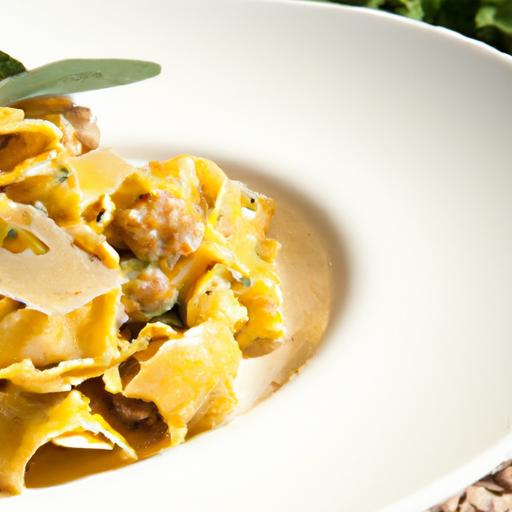

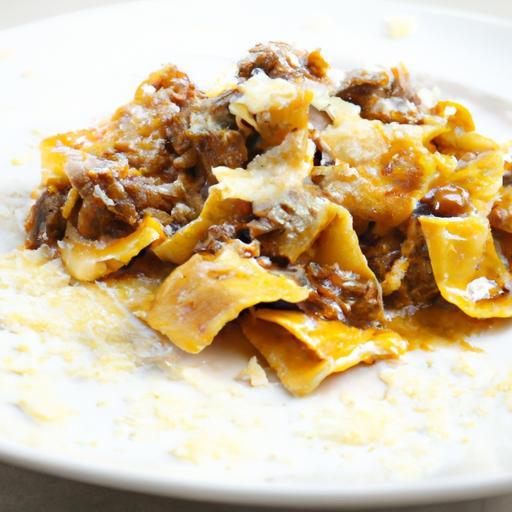
Hidden deep within teh rustic kitchens of Tuscany lies a culinary treasure that has captivated the palates of food lovers for centuries: Pappardelle al Cinghiale. This hearty pasta dish, rich with the robust flavors of wild boar, is more than just a meal-it’s a story woven from tradition, wilderness, and time-honored techniques. In this article, we embark on a flavorful journey to unveil the savory secrets behind Pappardelle al Cinghiale, exploring the origins, ingredients, and cooking methods that transform simple pasta and meat into an unforgettable Tuscan feast. Prepare to discover how this iconic dish marries wild intensity with comforting familiarity, offering a taste of Italy’s untamed heart.
Savory Secrets of Pappardelle al Cinghiale Unveiled invite you on a rustic culinary journey transcending time and place. This hearty dish, deeply rooted in the Tuscan countryside, captures the rich, earthy essence of wild boar slowly simmered to perfection in a fragrant wine-infused sauce. For me, each bite is a party of heritage-memories of lively kitchens and the art of transforming simple ingredients into a sublime feast. Mastering this recipe promises not just a meal but an experiance of Italy’s wild heart.
Prep and Cook Time
- Preparation: 30 minutes
- Cooking: 3 hours
Yield
serves 4 generously
Difficulty Level
Advanced – patience and attention to detail required for a truly authentic sauce
Ingredients
- 1½ lbs wild boar shoulder, cut into 1-inch cubes
- 2 tbsp olive oil, extra virgin for depth
- 1 large onion, finely diced
- 2 carrots, peeled and chopped
- 2 celery stalks, chopped
- 3 cloves garlic, minced
- 2 bay leaves
- 1 sprig fresh rosemary
- 1 cup Sangiovese red wine (or any dry red wine)
- 1 cup canned crushed tomatoes
- 2 cups beef or game stock
- Salt and freshly ground black pepper, to taste
- 500g fresh pappardelle pasta
- Grated Pecorino Toscano, for serving
instructions
- Marinate the meat: Place wild boar cubes in a bowl with half the red wine, bay leaves, and rosemary. Cover and refrigerate for 2-4 hours to tenderize and develop flavor.
- Prepare the base: Heat olive oil in a wide, heavy-bottomed pot over medium heat.Add onions, carrots, and celery. Sauté until soft and golden, about 10 minutes, stirring frequently to build a rich soffritto.
- Brown the boar: Remove the meat from marinade (reserve the liquid). Pat dry the pieces with paper towels to encourage caramelization. Add to pot and brown on all sides, about 8 minutes, turning regularly.
- Deglaze and simmer: Pour in the reserved wine marinade and remaining wine.scrape the bottom of the pot to lift browned bits. Let it reduce by half over medium heat.
- Add tomatoes and stock: Stir in the crushed tomatoes and stock. Bring to a gentle boil, reduce heat to low, cover partially, and simmer for 2.5 to 3 hours. The meat should be tender and the sauce thickened.
- Season: Add salt and freshly ground pepper gradually, tasting frequently to balance the deep flavors.
- Cook the pappardelle: In a large pot salted boiling water, cook pasta until al dente (about 2-3 minutes for fresh). Drain carefully.
- Toss and serve: Combine the pasta gently with the wild boar sauce to coat each ribbon fully. Serve immediately with a generous sprinkle of Pecorino Toscano and a drizzle of extra virgin olive oil.
Tips for Success
- slow is crucial: The long simmer allows wild boar’s natural toughness to transform into tender, flavorful meat.
- Wine choice matters: Use a good quality dry red like Sangiovese to mirror regional authenticity and enhance aroma.
- Pasta perfection: Fresh pappardelle or wide ribbons hold the robust sauce best – avoid thin or brittle noodles.
- Make ahead: The sauce improves overnight, so consider preparing it a day before and gently reheating.
- Substitutions: If wild boar isn’t available, try pork shoulder with added juniper berries for a hint of gamey flavor.
Serving Suggestions
Plate your pappardelle al cinghiale in rustic, wide shallow bowls to showcase the generous sauce clinging to every fold. Garnish with freshly chopped flat-leaf parsley for a touch of green and an aromatic counterpoint.Serve alongside a hunk of toasted country bread – perfect for soaking up lingering sauce. A simple side salad of bitter arugula dressed with lemon juice balances the richness and refreshes the palate.
Elevate with Perfect Pairings
Pinpointing the right wine and accompaniments unlocks even deeper joy. Opt for a medium-bodied Sangiovese or Chianti Classico, whose bright acidity and cherry notes cut through the robust sauce. For sides, roasted root vegetables or a creamy polenta provide comforting earthiness and texture contrast.
| Nutrition (per serving) | Amount |
|---|---|
| Calories | 620 kcal |
| Protein | 48 g |
| carbohydrates | 58 g |
| Fat | 22 g |

Discover more about regional Italian pasta dishes in our Authentic Tuscany Pasta Recipes collection. For background on wild game cooking techniques, visit Serious Eats’ wild game cooking guide.
Q&A
Savory Secrets of Pappardelle al Cinghiale Unveiled: Q&A
Q1: What exactly is Pappardelle al Cinghiale?
A1: Pappardelle al cinghiale is a classic Tuscan dish that combines wide, ribbon-like pasta called pappardelle with a rich, slow-cooked wild boar ragù. The result is a hearty, deeply flavorful plate that captures the essence of rustic Italian cooking and the wild flavors of the Tuscan countryside.
Q2: Why wild boar? What makes cinghiale special in this dish?
A2: Wild boar, or cinghiale, infuses the sauce with a robust, earthy character that domestic pork can’t quite replicate. Its slightly gamey, intense taste lends a complexity and depth that makes the ragù uniquely memorable, evoking the forests and tradition were hunters once gathered.
Q3: How is the wild boar prepared to achieve such tenderness and flavor?
A3: The secret lies in slow braising. The meat is often marinated overnight with herbs and wine, then browned and simmered gently for hours with aromatic vegetables and a splash of red wine or tomato. This long cooking breaks down tough fibers, resulting in melt-in-your-mouth texture and a sauce thickened with the meat’s own essence.
Q4: Can I use regular pork or beef as a substitute?
A4: While you can,the magic of Pappardelle al Cinghiale is in its wild boar base. Substitutes may produce a tasty dish, but miss the signature gamey depth that makes the original legendary. For the authentic experience, sourcing wild boar (or a local game meat) is worth the effort.
Q5: What makes pappardelle the perfect pasta for this ragù?
A5: The broad, flat ribbons of pappardelle are tailor-made to cradle thick, chunky sauces.Their generous surface area holds onto every morsel of the robust ragù, ensuring each bite bursts with a harmonious balance of pasta and sauce.
Q6: Are there any secret ingredients that elevate this dish beyond expectation?
A6: Traditional recipes often include juniper berries and a touch of orange zest or cinnamon-unexpected hints that compliment the gamey meat and add layers of aromatic intrigue.These subtle touches transform the sauce from simple to sublime.
Q7: How should Pappardelle al Cinghiale be served for an authentic Tuscan experience?
A7: Serve it piping hot, with a generous dusting of freshly grated Pecorino Toscano cheese and a glass of hearty tuscan red wine like Chianti or Brunello di Montalcino. Rustic bread on the side is perfect for mopping up every last drop of the luscious sauce.
Q8: Is this dish seasonal or enjoyed year-round?
A8: Traditionally, pappardelle al Cinghiale shines in the cooler months when wild boar hunting season peaks and hearty meals are most welcome. However, its timeless flavors and comforting richness make it a beloved dish all year round, especially in authentic Tuscan homes and trattorias.
Q9: What’s the cultural significance of Pappardelle al Cinghiale in Tuscany?
A9: This dish is more than food-it’s a culinary storytelling of Tuscan heritage, reflecting the bond between the land, hunters, and home cooks. It celebrates wild game as a cherished ingredient and carries the spirit of shared meals, tradition, and the rugged beauty of the Italian countryside.
Q10: Where can adventurous food lovers try or learn to make Pappardelle al Cinghiale?
A10: For the truest taste, few things beat a visit to Tuscany’s rustic trattorias, where recipes have been guarded and perfected for generations. For at-home chefs, searching out local wild boar or game purveyors and following detailed, slow-simmered ragù recipes can unlock this savory secret in your own kitchen.
In Conclusion
As the rich aroma of slow-cooked wild boar lingers in the memory and the tender ribbons of pappardelle disappear from the plate, one thing is clear: Pappardelle al Cinghiale is more than just a dish-it’s a savory journey through the heart of Italian tradition.Unveiling its secrets reveals not only the art of balancing bold flavors and rustic textures but also a celebration of regional heritage and craftsmanship. Whether you’re a seasoned epicure or an adventurous home cook, embracing this classic will deepen your thankfulness for Italy’s culinary tapestry, one luscious bite at a time. So, next time you seek a meal that tells a story, let the savory secrets of pappardelle al cinghiale guide you to a timeless taste that lingers long after the last forkful.