
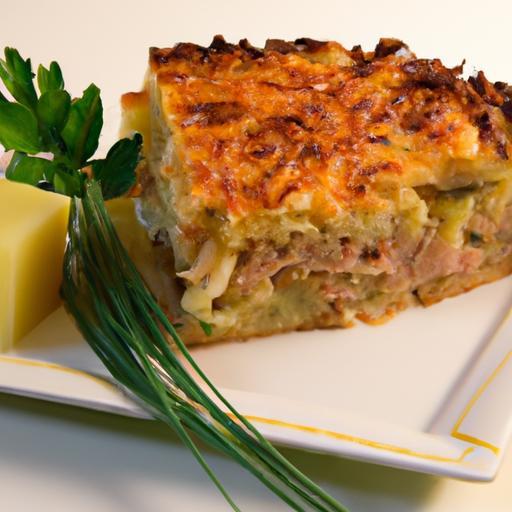
In the sun-drenched kitchens of Sicily, where history and flavor entwine like the rugged coastline meeting the sparkling sea, one dish reigns supreme as a testament to the island’s vibrant culinary heritage: Timballo di Pasta. This savory baked pasta tradition is far more than a meal-it’s a symphony of textures and tastes, an edible mosaic of Sicily’s diverse cultural influences. From its golden, crispy crust to the rich, hearty fillings tucked inside, Timballo di Pasta tells a story of conviviality, festivity, and centuries-old artistry. Join us as we explore the origins, variations, and timeless appeal of this beloved Sicilian treasure, inviting you to discover how a humble casserole transforms into a feast for the senses.
Timballo di Pasta: Sicily’s Savory Baked Pasta Tradition
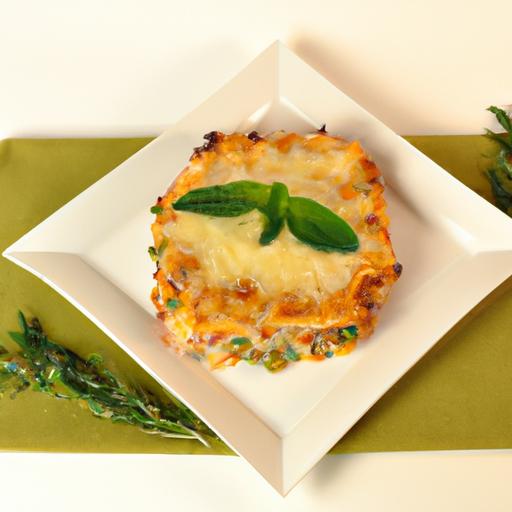
Timballo di Pasta holds a cherished place in Sicilian culinary heritage, where layers of pasta, rich ragù, and local cheeses are lovingly assembled to create a hearty and visually stunning baked dish. This savory tradition dates back centuries, blending influences from Arab, Norman, and Spanish cuisines that once ruled Sicily. For me, making Timballo di Pasta conjures memories of family gatherings, where the kitchen fills with aromatic notes of slow-simmered tomato sauce and earthy herbs before emerging from the oven golden and bubbling. This is more than dinner-it’s a celebration of Sicily’s diverse landscape and cultural mosaic, all encapsulated in one remarkable dish.
Prep and Cook Time
- Readiness: 45 minutes
- Cooking: 1 hour 15 minutes
- Total Time: 2 hours
Yield
Serves 6 generously
Difficulty Level
Medium – Perfect for home cooks ready to embrace a rewarding challenge
Ingredients
- 500g (1.1 lbs) rigatoni or ziti pasta
- 400g (14 oz) ground beef and pork mix
- 3 cups homemade or high-quality store-bought tomato ragù
- 150g (5 oz) sliced eggplant, salted and drained
- 150g (5 oz) mozzarella, diced
- 100g (3.5 oz) caciocavallo or provolone cheese,shredded
- 3 large eggs
- 1 cup grated Parmesan cheese
- 1 medium onion,finely chopped
- 2 cloves garlic,minced
- Fresh basil leaves,a handful
- Extra virgin olive oil
- Salt and freshly ground black pepper
- Butter,for greasing the mold
- Bread crumbs,for dusting
Instructions
- Prepare the ragù: Heat olive oil in a large skillet. Add the chopped onion and sauté untill translucent, about 5 minutes. Stir in the garlic and cook for 1 minute more. Add the ground beef and pork mix, breaking it up with a wooden spoon, and cook until browned and cooked through, about 8-10 minutes.
- Pour in the ragù sauce, reduce heat to low, and let it gently simmer uncovered for 45 minutes-stir occasionally to prevent sticking. Season with salt and pepper to taste. Remove from heat and stir in chopped basil leaves.
- Prepare the eggplant: While the ragù simmers,rinse the salted eggplant slices under cold water,pat dry thoroughly,and fry in hot oil until golden on both sides. Drain on paper towels and set aside.
- Cook the pasta: Bring a large pot of salted water to a boil. Cook the rigatoni slightly under al dente (about 2 minutes less than package instructions). Drain and toss promptly with 2 beaten eggs and half of the grated Parmesan cheese. This glazing step helps the pasta layers adhere beautifully.
- Preheat the oven: Set to 180°C (350°F). Butter a deep round baking mold (approximately 9 inches diameter), then dust liberally with bread crumbs to prevent sticking.
- Assemble the timballo: Layer one-third of the pasta at the bottom of the mold. Spread half of the ragù evenly on top, then layer with sautéed eggplant and diced mozzarella. Add another layer of pasta, followed by the remaining ragù, sliced mozzarella, and a sprinkle of shredded caciocavallo. Top with the last layer of pasta and sprinkle generously with the remaining Parmesan cheese.
- Bake: Cover the mold with aluminum foil and bake for 40 minutes. Then remove the foil and bake for an additional 15 minutes, until the top is golden brown and bubbling.
- Remove from the oven and allow to rest for 10 minutes before unmolding carefully onto a serving platter.
Tips for Success
- Use high-quality,fresh ingredients-notably cheeses and ragù-for an authentic flavor profile.
- Don’t overcook the pasta: Slightly undercooked rigatoni will finish cooking perfectly during baking and maintain its texture.
- For a vegetarian option, substitute meat ragù with a rich vegetable ragù incorporating mushrooms and zucchini.
- Make ahead: Timballo can be assembled a day prior; refrigerate overnight and bake just before serving to save time.
- Brush some olive oil over the top before baking for a more vibrant crust, or add a layer of toasted breadcrumbs for added crunch.
Serving Suggestions
Slice the Timballo di Pasta with a sharp knife into neat wedges to reveal its colorful layers-vivid reds, golden cheese, and tender pasta. Garnish with fresh basil leaves or a drizzle of extra virgin olive oil for sparkle. This dish pairs exquisitely with robust Sicilian reds such as Frappato or Nero d’Avola, whose luminous fruit notes and balanced tannins complement the ragù’s richness beautifully. to add contrast, a crisp Sicilian white like Inzolia can also refresh the palate between bites.
| Nutrient | Per Serving |
|---|---|
| Calories | 480 kcal |
| protein | 26 g |
| Carbohydrates | 48 g |
| Fat | 18 g |

For a deeper dive into Sicily’s rich culinary traditions, explore our related article on Sicilian Caponata: Sweet and Tangy Vegetable Medley-a perfect side to your timballo di Pasta feast.
Q&A
Q&A: Timballo di Pasta – sicily’s Savory Baked Pasta Tradition
Q: What exactly is Timballo di Pasta?
A: timballo di Pasta is a beloved Sicilian culinary treasure-a baked pasta casserole that combines layers of pasta with rich, savory fillings such as ragù, cheese, vegetables, and sometimes meat or seafood. It’s a hearty,elegant dish that showcases Sicily’s flair for blending rustic ingredients into something celebratory and comforting.
Q: Where does Timballo di Pasta come from?
A: This flavorful tradition hails from Sicily, an island with a rich culinary tapestry influenced by Arab, Norman, Spanish, and Italian cultures. Timballo reflects this melting pot through its diverse ingredients and intricate flavors, offering a delicious glimpse into Sicilian history and hospitality.
Q: How is Timballo di Pasta different from other baked pasta dishes?
A: Unlike simpler baked pastas like lasagna or pasta al forno,Timballo often features a molded presentation,sometimes crafted in a decorative dome shape using a timbale mold or terrine. Its layers are more elaborate, often including a mix of fillings like eggplant, sweet peas, hard-boiled eggs, and a medley of cheeses, making it a festive centerpiece rather than just comfort food.
Q: What ingredients are typically used in a Timballo?
A: Common ingredients include short pasta like penne, rigatoni, or even macaroni, combined with a slow-cooked meat ragù or tomato sauce, ricotta or caciocavallo cheese, sautéed vegetables such as eggplant or spinach, and sometimes hard-boiled eggs or peas. Olive oil, fresh herbs, and breadcrumbs often enrich the layers and topping, creating a flavorful crust.
Q: Is Timballo di Pasta served year-round or only on special occasions?
A: While it can be enjoyed anytime, Timballo di Pasta is traditionally reserved for festive occasions, family gatherings, and holidays in Sicily.Its labor-intensive preparation and sumptuous taste make it a dish to celebrate with, perfect for sharing stories and creating memories around the table.
Q: can Timballo di Pasta be customized for modern tastes or dietary needs?
A: absolutely! Timballo’s layered concept invites creativity. Vegetarians can skip the meat ragù in favor of hearty vegetables like mushrooms or artichokes,while gluten-free pasta options can make it accessible for those with dietary restrictions. the key is maintaining the balance of textures and flavors that make Timballo so special.
Q: What’s the best way to enjoy Timballo di pasta?
A: Serve Timballo warm, fresh out of the oven, allowing the crispy golden crust to shine alongside the tender, flavorful layers within.Pair it with a robust Sicilian red wine and a fresh green salad to cut through its richness. Don’t rush-the dish is meant to be savored slowly, bite by bite.
Q: Why shoudl food lovers explore Timballo di Pasta?
A: as Timballo di Pasta is more than a dish-it’s a delicious journey into Sicily’s heart, where history, culture, and family intertwine in every mouthful. Exploring Timballo means tasting the island’s soul and discovering the magic of a layered, lovingly baked pasta tradition that continues to delight generations.
The Way Forward
As the last forkful of Timballo di Pasta melts away, what lingers is more than just the rich blend of flavors-it’s a taste of Sicilian history, culture, and craftsmanship baked into every hearty slice.This savory masterpiece,with its layers of pasta,ragù,cheese,and sometimes unexpected fillings,tells a story of a land where tradition and creativity collide. Whether enjoyed at a family gathering in a sunlit Sicilian kitchen or recreated far from the mediterranean coast, Timballo invites us to savor not just a dish, but a legacy.So next time you crave a meal that transcends the ordinary, let the timeless allure of Sicily’s beloved baked pasta tradition inspire your palate-and your passion for culinary adventure.