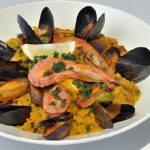

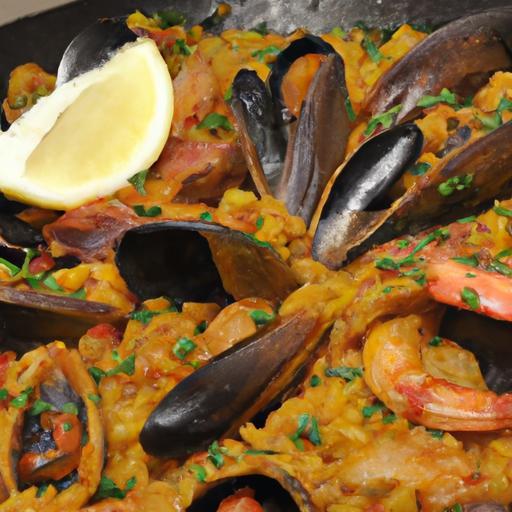
There’s a certain enchantment that bubbles beneath the surface of a perfectly cooked pan of seafood paella-a vibrant mosaic of saffron-tinged rice, succulent shellfish, and a symphony of spices that transport your senses straight to the sun-drenched coasts of Spain. More than just a dish, seafood paella is a culinary masterpiece that weaves history, culture, and tradition into every flavorful bite. In this deep dive, we unravel the magic behind this iconic Spanish classic, exploring it’s origins, the art of balancing ingredients, and the secret techniques that elevate it from everyday fare to a feast worthy of celebration. Join us as we savor the flavors and discover why seafood paella continues to captivate food lovers around the world.
Savor the flavors of seafood paella, a culinary masterpiece that captures the vibrant spirit of Spanish coastal tradition in every bite. This iconic dish, born from Valencia’s sun-drenched shores, is a celebration of fresh ocean bounty, fragrant saffron-infused rice, and the irresistible socarrat-the signature caramelized crust that defines authentic paella. My journey with seafood paella began on a lively Valencian market street, where the aroma of simmering broth and crackling seafood created an unforgettable feast for the senses, inspiring me to master and share this beloved recipe.
Prep and Cook Time
- Preparation: 25 minutes
- Cooking: 45 minutes
- Total Time: 1 hour 10 minutes
Yield
Serves 4 generously,perfect for sharing with friends or family.
difficulty Level
Medium – Perfect for adventurous home cooks eager to impress.
Ingredients
- 1/4 teaspoon saffron threads (soaked in 2 tablespoons warm chicken broth)
- 2 cups bomba or short-grain Spanish rice
- 1/4 cup extra virgin olive oil
- 1 small onion, finely chopped
- 1 red bell pepper, diced
- 4 cloves garlic, minced
- 2 medium ripe tomatoes, grated or finely chopped
- 1 teaspoon smoked paprika
- 4 cups seafood stock (preferably homemade or high-quality)
- 12 large shrimp, peeled and deveined
- 8 mussels, cleaned
- 8 clams, cleaned
- 200g squid rings
- 1/2 cup frozen peas (optional)
- Salt and freshly ground black pepper, to taste
- Fresh lemon wedges, for serving
- fresh parsley, chopped for garnish
Instructions
- Prepare the saffron and stock: Soak the saffron threads in a small bowl with warm seafood or chicken stock for 10-15 minutes to release its color and aroma.
- Heat olive oil: In a wide, heavy-bottomed paella pan or large skillet, warm olive oil over medium heat until shimmering.
- Sauté aromatics: Add chopped onion and red bell pepper, cooking until softened and translucent, about 5 minutes. Stir in minced garlic and cook 30 seconds more to avoid burning.
- Build the sofrito: Stir in the grated tomatoes and smoked paprika, cooking until the mixture thickens and darkens slightly, around 4 minutes – this is the flavor foundation of your paella.
- Add the rice: Pour in the rice and stir continuously to coat each grain in the sofrito, about 2 minutes. This step ensures even cooking and flavor absorption.
- pour in the saffron-infused stock: gently pour the warmed stock over the rice mixture,spreading the rice evenly across the pan to create a uniform layer. Avoid stirring from this point forward.
- Simmer to develop flavors: Increase heat to medium-high just until it begins to bubble, then reduce to medium-low. Let the rice cook gently for 15 minutes, allowing it to absorb the liquid.
- add seafood and peas: Nestle the shrimp, mussels, clams, and squid rings into the rice evenly. Sprinkle peas if using. Cook uncovered for another 10-12 minutes until seafood is cooked through and shells open naturally.
- Achieve the socarrat: Increase heat for 2-3 minutes at the end of cooking to create the prized crispy, golden crust at the bottom of the pan. Be cautious not to burn; listen for a subtle crackling sound.
- Rest and garnish: Remove from heat, cover loosely with foil or a clean towel, and let rest for 5 minutes. Garnish with fresh parsley and lemon wedges before serving.
Tips for Success
- For freshness, shop early at your local fish market and select bright-eyed shrimp, tightly closed clams, and lively mussels. Reject any seafood with unpleasant odors.
- The saffron’s potency makes all the difference: splurge on high-quality threads like those from Spain to unlock authentic color and aroma.
- Do not stir once the stock is added – this prevents breaking the delicate rice grains and helps create the socarrat.
- The socarrat can be tricky; if you fear burning, slightly lower the heat and prolong the crisping phase.
- Make-ahead option: Prepare the sofrito and stock base a day prior for quicker assembly and deeper flavor.
- Vegetarian twist: Omit seafood and substitute with artichokes, bell peppers, and asparagus; use vegetable stock.
Serving Suggestions
Serve seafood paella straight from the pan, inviting your guests to gather around.Accompany with a chilled glass of dry Spanish white wine or a crisp rosé to complement the oceanic flavors. Garnish generously with fresh lemon wedges, encouraging diners to squeeze bright citrus over their portions, enhancing the dish’s vibrant notes. A sprinkle of chopped parsley adds a burst of color and freshness, while crusty rustic bread helps mop up the luscious juices.
| Nutrient | Per Serving |
|---|---|
| Calories | 480 kcal |
| Protein | 35 g |
| Carbohydrates | 55 g |
| Fat | 12 g |
Discover more essential paella tips and tricks to elevate your culinary game. For an authoritative dive into saffron sourcing and its culinary impact, visit Britannica’s saffron overview.

Q&A
Q&A: Savor the Flavors – A Deep Dive into Seafood Paella’s Magic
Q1: What makes seafood paella such a beloved dish around the world?
A1: seafood paella is a vibrant celebration of the sea, sun, and soil all in one pot. Its magnetic allure comes from the harmonious blend of fresh, ocean-kissed ingredients like shrimp, mussels, and squid combined with saffron-infused rice that captures the essence of Spanish coastal life. It’s more than a meal-it’s an experience that transports you to sun-drenched shores with every bite.
Q2: How did paella originate and why is seafood such a star player in the recipe?
A2: Paella originated in the Valencia region of spain as a humble, hearty meal cooked over an open fire. Initially,it featured whatever local ingredients were at hand-rabbits,snails,and vegetables. Coastal variations evolved to spotlight the abundance of fresh seafood, turning the dish into a vibrant tribute to the Mediterranean’s marine bounty. Seafood adds an oceanic freshness and textural contrast that elevates paella from rustic to regal.
Q3: What role does saffron play in the magic of seafood paella?
A3: Saffron is the golden thread that weaves the magic into paella. Beyond lending a rich, amber hue, its subtle floral and earthy notes infuse the rice with unparalleled depth. This luxurious spice anchors the dish, enhancing the natural sweetness of the seafood and transforming the dish into an aromatic feast for the senses.
Q4: What are the essential components that ensure a perfect seafood paella?
A4: The secret to a perfect seafood paella lies in the quality and balance of ingredients. Top-grade short-grain rice (usually Bomba or Calasparra), fresh and diverse seafood, a flavorful sofrito base of sautéed tomatoes, garlic, and onions, and perhaps a splash of smoky paprika. The cooking technique is just as crucial-paella is lovingly cooked uncovered, allowing the rice to absorb flavors while forming the coveted socarrat, a crisp caramelized crust at the bottom that passionate cooks chase like treasure.
Q5: Can you share tips for recreating the authentic taste of seafood paella at home?
A5: Absolutely! Start by sourcing the freshest seafood you can find-freshness is key. Use a wide, shallow paella pan to ensure even cooking and maximize flavor absorption. resist stirring once you add the rice; disturbance prevents socarrat formation. Don’t rush the process-low and slow coax the best flavors. Lastly, savor the moment: paella is as much about sharing and celebration as it is about culinary craft.
Q6: Besides seafood,are there intriguing variations of paella worth exploring?
A6: Yes! While seafood paella dazzles,it’s just one star in a constellation of regional variations.Traditional Valencian paella includes chicken, rabbit, and snails, delivering a rustic earthiness. Mixed paella blends meat and seafood, perfect for indecisive palates. Vegetarian paellas highlight the garden’s bounty with artichokes, beans, and peppers.Each version tells its own flavorful story steeped in Spanish culture and tradition.Q7: How does seafood paella reflect spanish culture beyond just being food?
A7: Seafood paella is a cultural mosaic-an edible embodiment of spain’s history, geography, and communal spirit.It’s often prepared during festivals and family gatherings,symbolizing unity and celebration. The dish teaches patience, respect for ingredients, and the joy of sharing.In every forkful, you taste centuries of coastal heritage, culinary ingenuity, and the warm embrace of Spanish hospitality.
dive into the world of seafood paella, and you’re not just enjoying a meal-you’re savoring a story steeped in tradition, flavor, and the timeless magic of the Mediterranean.
In Retrospect
As the last grains of saffron-infused rice melt away and the lingering aroma of the sea fades from the air, seafood paella leaves an indelible mark on both palate and memory. This vibrant dish is more than a meal-it’s a celebration of culture, history, and the harmonious dance of flavors from land and sea. Whether enjoyed in a sun-drenched Spanish coastal town or recreated in your own kitchen, every bite of paella invites you to savor not just its magic, but the stories and traditions it carries. So next time you gather around the pan, remember: you’re not just tasting food-you’re experiencing a timeless culinary masterpiece that continues to enchant and unite food lovers around the world.