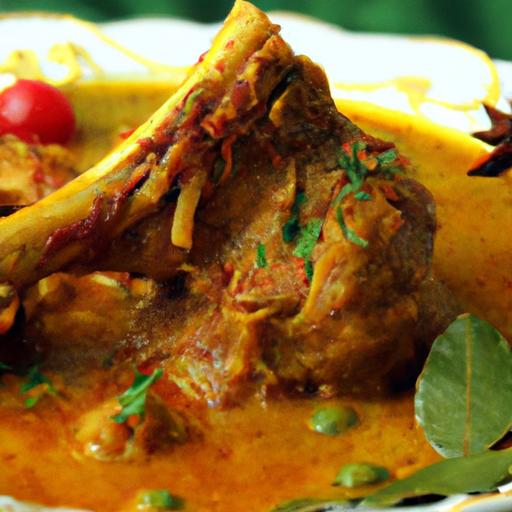

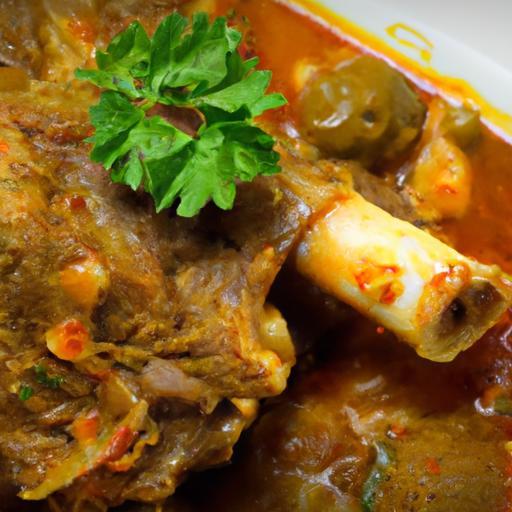
Steeped in the regal splendor of the Mughal era, Mutton Korma emerges as more than just a dish-it is a sumptuous tapestry woven with threads of history, culture, and culinary artistry.This rich,aromatic curry,infused with a medley of fragrant spices,velvety yogurt,and tender meat,invites us on a flavorful journey through the heart of Mughlai heritage cuisine. As we delve into the origins, preparation, and timeless appeal of Mutton Korma, we uncover not only its decadent taste but also the stories of emperors, royal kitchens, and traditions that continue to inspire palates around the world today.
Mutton Korma is more than just a dish; it is a lush testament to the culinary grandeur of Mughlai heritage.This slow-cooked, fragrant curry uses tender cuts of mutton immersed in a creamy blend of yogurt, nuts, and delicate spices, creating a symphony of rich flavors that captivate the senses. Originating during the Mughal Empire’s reign, Mutton Korma was a royal favorite, celebrated not only for its opulence but also for its intricate method of preparation. Personally,each time I simmer this dish in my kitchen,I feel connected to centuries of timeless tradition and festive gatherings,where food was as much a cultural ritual as it was nourishment.
Prep and Cook Time
- Preparation: 30 minutes
- Cooking: 1 hour 45 minutes
- Total Time: 2 hours 15 minutes
Yield
- Serves 6 generous portions
Difficulty level
- Medium – Advanced: Requires patience and attention to detail for layering flavors authentically
Ingredients
- 1 kg mutton (bone-in, preferably shoulder or leg), cut into chunks
- 1 cup thick yogurt, whisked
- 3 large onions, thinly sliced
- 4 tbsp ghee (clarified butter)
- 2 tbsp ginger-garlic paste
- 1/4 cup cashew nuts, soaked for 30 minutes and ground into a paste
- 1/4 cup almonds, soaked and ground with cashews
- 2 tsp coriander powder
- 1 tsp cumin seeds
- 1/2 tsp turmeric powder
- 2 tsp Kashmiri red chili powder (for vibrant color, mild heat)
- 4 green cardamom pods
- 4 cloves
- 2 bay leaves
- 1-inch cinnamon stick
- Salt, to taste
- 1/2 cup water or as required
- fresh coriander leaves and slivers of dried apricot for garnish
Instructions
- Prepare the aromatics: Heat ghee in a heavy-bottomed vessel over medium heat. Add cumin seeds, bay leaves, cardamom pods, cloves, and the cinnamon stick. Sauté until spices release their fragrance, about 1 minute.
- Caramelize onions: Add the thinly sliced onions and sauté until deep golden brown and crispy, approximately 15-20 minutes, stirring frequently to prevent burning-this step is key to the dish’s signature richness.
- Add ginger-garlic paste: Stir in the ginger-garlic paste and cook for another 3-4 minutes until the raw smell disappears.
- Incorporate spices and nuts: Mix in turmeric, coriander, Kashmiri chili powder, and salt. Gradually blend in the cashew-almond paste, cooking the mixture until the oil begins to separate from the base, about 5 minutes.
- Brown the mutton: Add the mutton pieces, turning frequently to coat them fully with the masala. Cook until the mutton changes color and is lightly browned on all sides, about 10-12 minutes.
- Add yogurt carefully: Reduce the heat to low. Add whisked yogurt in increments, stirring constantly to avoid curdling. This slow incorporation keeps the curry creamy and velvety.
- Simmer and slow cook: Pour in water, cover the pot, and simmer on low heat for 1 to 1.5 hours or until the mutton is tender and the gravy thickens beautifully. Stir occasionally to ensure even cooking.
- Final seasoning: Adjust salt and garnish with fresh coriander leaves and slivers of dried apricot to add subtle sweetness and texture contrast.
Tips for Success
- Warming the yogurt: Bring yogurt to room temperature before adding to prevent curdling.
- Slow caramelization: Take your time browning onions for that signature depth of flavor; do not rush this step.
- Nut paste consistency: The cashew-almond paste should be smooth and slightly thick-add a splash of water if too stiff.
- Meat choice: Bone-in cuts impart more flavor. For tender results, cook low and slow.
- Make-ahead: Mutton Korma tastes even better the next day as flavors meld beautifully overnight.
Serving Suggestions
Serve your exquisite Mutton Korma garnished with a sprinkle of chopped fresh coriander and a few slivers of roasted almonds or dried apricot for a touch of elegance. Accompany with fragrant saffron pulao or steaming hot butter naan to soak up the luscious gravy. A side of crisp cucumber raita or a fresh kachumber salad will provide refreshing contrast, completing an authentic Mughlai dining experiance vibrant with tradition and warmth.

Nutritional Data (Per Serving)
| Calories | Protein | Carbohydrates | Fat |
|---|---|---|---|
| 450 kcal | 35 g | 12 g | 28 g |
For more on Mughlai culinary arts and to explore regional Mughlai recipes,check out our Mughlai Cuisine Guide. To dive deeper into the ancient context of Mughlai food, visit the Britannica on the Mughal Empire.
Q&A
Q&A: Mutton Korma – A Rich Journey into mughlai Heritage Cuisine
Q1: What makes Mutton Korma a quintessential dish of Mughlai cuisine?
A1: Mutton Korma is the epitome of Mughlai culinary artistry,embodying the royal flavors and intricate cooking techniques that flourished under the Mughal Empire. its slow-cooked richness, fragrant spices, and creamy texture reflect a confluence of Persian, Central Asian, and Indian influences, making it a dish that tells a story of heritage and opulence in every bite.
Q2: How did Mutton Korma originate, and what is its historical importance?
A2: Originating in the courts of Mughal emperors, Mutton Korma was crafted as a luxurious dish fit for royalty. The word “korma” comes from the Urdu word ‘qorma,’ meaning braise or stew, highlighting the method of cooking meat gently in a blend of aromatic spices and yogurt or cream. Historically, it was a symbol of indulgence and hospitality, served during grand feasts and celebrations in royal palaces.
Q3: What are the key ingredients that give Mutton Korma its distinctive flavor?
A3: The magic of Mutton Korma lies in its rich blend of whole and ground spices-cardamom, cinnamon, cloves, and nutmeg-balanced by creamy yogurt or coconut milk. The inclusion of nuts like almonds or cashews, along with fragrant rose water or kewra essence, elevates the dish’s aroma and taste, creating a luxurious texture and depth that’s unmistakably Mughlai.Q4: How does the cooking process contribute to Mutton Korma’s richness?
A4: Patience is a virtue in making Mutton Korma. The slow braising process allows the mutton to absorb the complex spice medley and tenderize to perfection. The gradual melding of flavors, coupled with slow simmering in a creamy base, results in a velvety consistency where each morsel is infused with layers of aroma and taste-delivering the richness and elegance synonymous with mughlai cuisine.
Q5: Can Mutton Korma be adapted for modern palates while staying true to its roots?
A5: Absolutely! While traditional Mutton Korma is indulgently rich, contemporary versions often experiment with lighter dairy alternatives or incorporate healthier techniques like pressure cooking to reduce time without sacrificing depth. However, the soul of the dish remains in its respectful use of authentic spices and the slow-cooked tenderness of the mutton, which keeps the heritage alive even on modern plates.
Q6: What accompaniments pair best with Mutton Korma to complete a Mughlai meal?
A6: To fully appreciate Mutton Korma, it’s best served alongside fragrant basmati rice or saffron-infused pulao, and warm, buttery naan or roomali roti. Refreshing raita or a cucumber salad can balance the dish’s richness, while traditional Mughlai desserts like phirni or gulab jamun provide a sweet finale to this regal culinary experience.
Q7: Why is Mutton Korma still beloved today in Indian subcontinental households and beyond?
A7: mutton Korma’s enduring popularity stems from its luxurious taste and cultural resonance. It’s more than just a dish-it’s a party of history, craftsmanship, and shared heritage. For many, preparing or savoring Mutton Korma is a connection to ancestral traditions, family gatherings, and the timeless joy of feasting on food that transcends generations and borders.
To Conclude
As the final aroma of tender mutton and fragrant spices lingers in the air, Mutton Korma stands not merely as a dish but as a sumptuous narrative of Mughlai heritage-where every simmering pot tells tales of royal kitchens, cultural confluences, and timeless culinary artistry. This rich journey into the heart of Mughlai cuisine invites us to savor more than just flavors; it offers a connection to history, tradition, and the enduring spirit of indulgence.whether enjoyed in a bustling modern kitchen or a candlelit dining room, Mutton Korma remains a testament to the elegance and depth that define India’s regal gastronomic legacy.