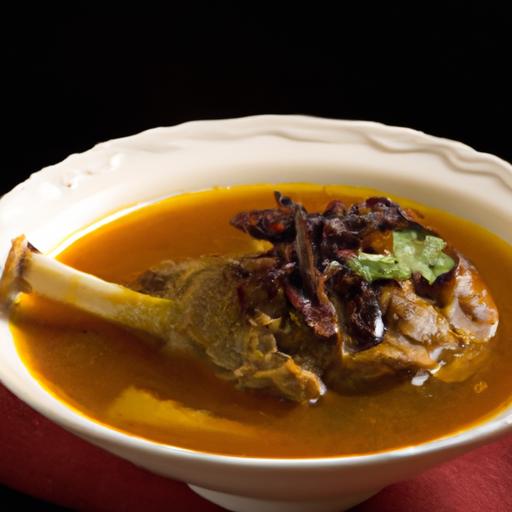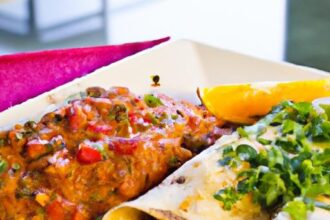

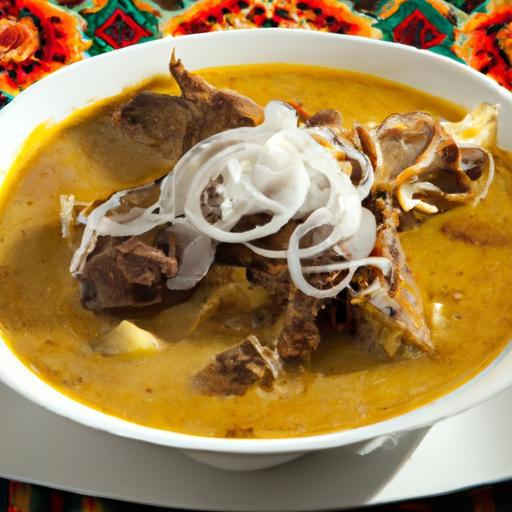
In the vibrant tapestry of South Asian cuisine, few dishes evoke the warmth of tradition and the depth of flavor quite like Sabri Nihari. Revered as a culinary masterpiece, this timeless delight is more than just a stew-it is a rich narrative steeped in history, culture, and the art of slow-cooked perfection. From the bustling streets of old lahore to modern tables around the world, Sabri nihari’s aromatic embrace invites food lovers on a journey through layers of tender meat, fragrant spices, and soulful broth. Join us as we explore the origins, techniques, and enduring appeal of this cherished dish, uncovering what makes Sabri Nihari not just a meal, but a celebration of heritage and flavor.
Sabri nihari is a culinary treasure cherished across South Asia,renowned for its deeply fragrant spices and slow-cooked tender meat that melts effortlessly on the tongue.Originating from the Mughal kitchens in Delhi and celebrated especially in Lucknow and Karachi, this iconic stew holds a profound cultural significance as a traditional breakfast delicacy that has united generations over communal feasts and vibrant morning markets.
prep and cook Time
- Preparation: 20 minutes
- Cooking: 6 hours (slow simmer)
- Total Time: Approximately 6 hours 20 minutes
Yield
- Serves 6-8 hearty portions
Difficulty Level
- Intermediate – patience and slow cooking required
Key Ingredients
- 2 lbs beef shank or lamb shoulder, cut into chunks with bone
- 1 cup all-purpose flour, sifted (for thickening)
- 4 tbsp ghee or clarified butter
- 3 large onions, finely sliced
- 2 tbsp ginger-garlic paste
- 2 tsp red chili powder
- 1 tbsp coriander powder
- 1 tsp turmeric powder
- 2 tbsp Nihari masala (blend of fennel, cardamom, cloves, and nutmeg, freshly ground)
- 8 cups water or beef broth
- Salt, to taste
- Fresh lemon wedges, for serving
- Chopped fresh cilantro and julienned ginger, for garnish
- Sliced green chilies, optional for an extra kick
Instructions
- Prepare the Meat: In a heavy-bottomed pot or a Dutch oven, heat 3 tablespoons of ghee over medium heat. Add the sliced onions and sauté until golden brown and caramelized, about 15 minutes, stirring frequently to prevent burning.
- Add Ginger-Garlic Paste: Stir in the ginger-garlic paste and continue cooking for 3-4 minutes until fragrant.
- Spice it up: Add red chili powder, coriander powder, turmeric, and half of the Nihari masala. Mix well and sauté for 2 minutes to toast the spices.
- Brown the Meat: Add the beef shank chunks and sear until browned on all sides, approx. 10 minutes.This locks in juices and builds deep flavor.
- Slow Simmer: Pour in the water or broth, add salt, and bring to a boil. Reduce heat to low, cover partially, and simmer gently for 5-6 hours, stirring occasionally. The long cooking dissolves collagen, creating that silky, unctuous texture.
- Prepare the Thickening Paste: In a separate small pan, heat the remaining 1 tablespoon ghee, whisk in the sifted flour, and cook on low until the mixture is golden and aromatic, about 5 minutes. Gradually add some of the hot Nihari broth to this paste, stirring continuously to avoid lumps.
- Combine and Final Simmer: Slowly stir the flour paste back into the pot. Mix well and allow the Nihari to simmer another 30 minutes,stirring gently until the gravy thickens to a luscious,velvety consistency.
- Adjust Seasoning: Taste and adjust salt and spice levels. Add the remaining Nihari masala for a more intense aroma if desired.
Tips for Success
- Choose the Right Cut: Bone-in shank or shoulder cuts are essential for the gelatinous richness Nihari is known for.
- Slow and Low: The secret to authentic texture and depth of flavor lies in gentle, prolonged simmering-don’t rush this stage.
- Fresh Masala Matters: Grinding your Nihari spice blend fresh enhances the aroma substantially over pre-mixed powders.
- Make-Ahead: Nihari tastes even better the next day; refrigerate and gently reheat for a more integrated flavor.
- Gluten-Free Variation: Substitute all-purpose flour with besan (gram flour) or arrowroot powder for thickening.
Savoring the Experience
Traditionally, Sabri Nihari is enjoyed piping hot with naan or sheermal, a lightly sweet saffron-infused bread, accompanied by fresh lemon wedges, chopped cilantro, julienned ginger, and sliced green chilies to customize each bite. This rich stew makes an irresistible breakfast or brunch centerpiece, and pairing it with a chilled yogurt drink or classic lassi rounds out the meal beautifully.
Top Spots and Tips for Experiencing the Best Sabri nihari
iconic eateries in Karachi and delhi like Sabri Nihari’s birthplace offer authentic renditions packed with history and tradition. Exploring local markets in these cities during early morning hours lets you witness the cultural ritual of Nihari being served fresh and steaming. For those cooking at home, sourcing fresh whole spices and quality cuts from local butchers or specialty stores ensures an unbeatable flavor profile.
| nutrient | Per Serving |
|---|---|
| Calories | 450 kcal |
| Protein | 38 g |
| Carbohydrates | 10 g |
| Fat | 28 g |

Explore more traditional spice blends that elevate your homemade dishes.
Q&A
Q&A: Sabri Nihari - Exploring the Richness of a Timeless Delight
Q1: What exactly is Sabri Nihari?
A: Sabri Nihari is a legendary Pakistani dish known for its deep, hearty flavors and slow-cooked perfection. Originating from the streets of Lahore,it’s a stew made primarily from tender beef shanks simmered for hours in a fragrant mix of spices,resulting in a rich,velvety gravy that’s both soul-satisfying and comforting.
Q2: How does Sabri Nihari stand out from other meat stews?
A: Unlike typical stews, sabri Nihari’s magic lies in its slow-cooking method, which coaxes out gelatin from the bones, producing a luscious texture and a depth of flavor that’s almost addictive. Its unique spice blend-featuring ingredients like fennel seeds, long pepper, and dried ginger-gives it an aromatic complexity that sets it apart from more common curry dishes.
Q3: Why is it called ‘Nihari’?
A: The name ‘Nihari’ comes from the arabic word ‘Nahar,’ meaning ‘day.’ Traditionally, Nihari was cooked overnight and eaten in the early hours of the day, often by laborers and artisans as a nourishing breakfast to fuel their day. This long, slow cooking process is integral to the dish’s unmistakable taste and texture.
Q4: What makes the Sabri brand so special in the world of Nihari?
A: Sabri Nihari holds a revered place in culinary history, especially in Lahore, where the Sabri family has been perfecting their recipe for generations. Their version is celebrated for its perfectly balanced spice mix and consistent quality, making it a benchmark for Nihari lovers. Eating Sabri Nihari is often described as a rite of passage for food enthusiasts exploring South Asian cuisine.Q5: How is Sabri Nihari traditionally served?
A: Traditionally, Sabri Nihari is served piping hot with fresh, fluffy naan or sheermal-a slightly sweet, saffron-infused bread. Toppings like julienned ginger,fresh coriander,and a squeeze of lemon enhance the rich gravy,while side accompaniments such as fried green chilies and sliced onions add brightness and crunch.
Q6: Can Sabri Nihari be enjoyed beyond breakfast?
A: Absolutely! While it’s historically a breakfast staple, the luxurious flavor and hearty nature of Sabri Nihari make it a perfect meal for any time of day. Many savor it for lunch or dinner, especially during festive gatherings or cool winter days when its warmth feels like a culinary hug.
Q7: Is Sabri Nihari difficult to prepare at home?
A: Preparing authentic Sabri Nihari at home is a labor of love because it demands patience and precision-slow cooking for several hours, sourcing spices, and balancing flavors carefully. Though, for adventurous cooks willing to invest the time, the homemade version is deeply rewarding and allows personalization in spice levels and meat cuts.
Q8: What cultural significance does Sabri Nihari hold?
A: Beyond its delicious taste, Sabri Nihari is a cultural icon symbolizing Pakistan’s rich culinary heritage. It brings people together, crossing socioeconomic boundaries, and is often enjoyed during social celebrations or as a comforting ritual during the cold months. It’s food history in a bowl-a delicious legacy passed down through generations.
Q9: How has Sabri Nihari influenced global cuisine?
A: Sabri Nihari has introduced many around the world to the brilliance of slow-cooked South Asian dishes. Its intoxicating aroma and sumptuous flavors have inspired chefs globally to experiment with slow braises and spice blends, adding to the ever-growing appreciation of Pakistani gastronomy on the world stage.
Q10: What’s the best way to experience Sabri Nihari in its true essence?
A: To truly experience Sabri Nihari in all its glory, nothing beats sitting down in a traditional eatery in Lahore, surrounded by the hum of local chatter and the aroma of spices filling the air. If that’s not possible, seek out authentic Sabri Nihari from reputable restaurants or try making it at home with fresh ingredients, savoring every rich, spicy spoonful as a journey through history and flavor.
Final Thoughts
In the grand tapestry of culinary heritage, Sabri Nihari stands as a vibrant thread-rich in flavor, history, and tradition. This timeless delight not only tantalizes the palate but also tells a story of generations who have perfected its art with patience and passion. As the steam rises from each simmering pot,it carries with it the essence of culture and community,inviting food lovers everywhere to partake in a legacy that transcends time. Whether enjoyed as a cherished family recipe or discovered anew, Sabri Nihari remains an enduring symbol of culinary richness, reminding us that some flavors are truly meant to be savored forever.