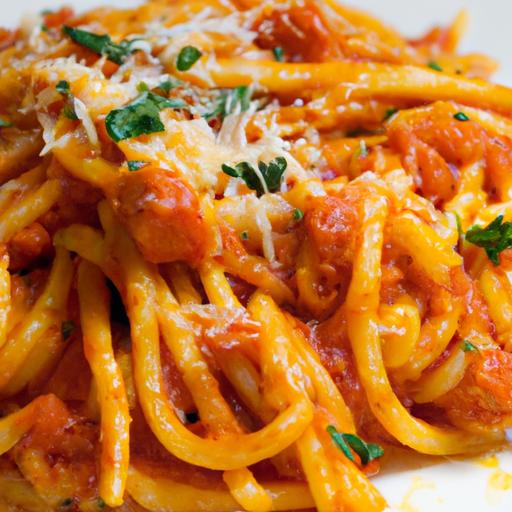

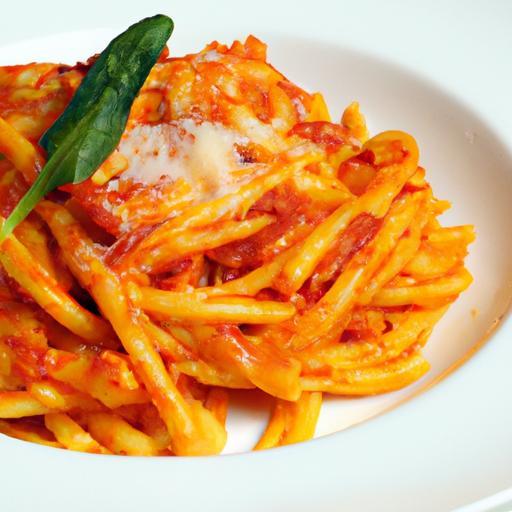
Nestled within the sun-drenched hills of central Italy lies a culinary masterpiece that has long captured the hearts-and palates-of food lovers around the world: Bucatini All’Amatriciana. This bold pasta classic, rich with history and bursting with vibrant flavors, tells a story far beyond its simple ingredients. From the smoky tang of guanciale to the fiery kiss of red pepper and the radiant acidity of ripe tomatoes,Bucatini All’Amatriciana is a symphony of taste that reflects the rustic charm and spirited soul of Italian cuisine. Join us as we unravel the origins,secrets,and timeless appeal of this iconic dish that continues to define la dolce vita on a plate.
Bucatini All’Amatriciana offers an exquisite journey into Italy’s rich culinary heritage, renowned for its bold and robust flavors that capture the spirit of Roman countryside cooking. Originating from the town of Amatrice in the Lazio region, this dish blends simple yet powerful ingredients to create an unforgettable sauce that clings beautifully to each strand of bucatini pasta. The marriage of guanciale, San Marzano tomatoes, and a hint of pecorino romano cheese defines the vibrant profile, evoking warmth and authenticity in every bite.
Prep and Cook Time
- Readiness: 15 minutes
- Cooking: 25 minutes
Yield
Serves 4 hearty portions
difficulty Level
medium – perfect for passionate home cooks ready to impress
Key ingredients That Define the Bold Flavors
The secret behind the magic of this iconic dish lies in the quality and balance of its few but essential ingredients.Guanciale, pork jowl cured with delicate spices, delivers a sumptuous fat that crisps up to add depth and texture. San Marzano tomatoes, prized for their sweetness and low acidity, create a silky and fragrant base. The sharp, salty punch of aged pecorino romano tops off the dish, enhancing complexity. A splash of white wine and a touch of chili flakes add subtle warmth and brightness, perfectly complementing the pasta’s thick, hollow bucatini tubes designed to trap the sauce inside.
Mastering the Perfect Sauce Texture and balance
The hallmark of true Bucatini All’Amatriciana lies in a sauce that is thick enough to cling without overwhelming the pasta’s distinctive bite. To achieve this, begin by rendering the guanciale slowly over medium heat, allowing its fat to gently melt without burning.Then, deglaze the pan with a touch of white wine, scraping up those flavorful browned bits-this builds layers of savory complexity.
Once the vibrant San Marzano tomatoes are introduced, simmer the sauce patiently to reduce excess liquid, stirring intermittently to develop a lustrous, rich consistency. Adjust seasoning carefully with salt and freshly cracked black pepper, always remembering that pecorino romano will add saltiness later. The texture shoudl be velvety but not heavy, harmonizing perfectly with bucatini’s chewy texture.
Expert Tips for Cooking Bucatini to authentic perfection
Start by bringing a large pot of heavily salted water to a rapid boil.The bucatini should be cooked “al dente,” retaining a slight firmness at the core for that ideal chewiness central to the eating experiance. Reserve at least one cup of the pasta cooking water before draining-this starchy liquid is essential to marry pasta and sauce seamlessly in the final steps.
Return the drained bucatini to the pan off heat, and fold in the sauce gradually, tossing gently while adding pasta water a little at a time to achieve a glossy coat on every strand. This technique ensures the iconic cling and flavor infusion that defines Bucatini All’Amatriciana.
Ingredients
- 400g bucatini pasta
- 150g guanciale, diced
- 400g San Marzano peeled tomatoes, crushed by hand or blended lightly
- 60g pecorino romano cheese, finely grated
- 1 medium yellow onion, finely chopped (optional conventional variation)
- 1 small dried chili pepper or ¼ tsp red chili flakes
- 2 tbsp extra virgin olive oil
- ½ cup dry white wine (like verdicchio or Pinot Grigio)
- Salt and freshly ground black pepper, to taste
Instructions
- Render the guanciale: Place the diced guanciale in a cold skillet and turn the heat to medium-low. Sauté until crispy and golden, about 7-8 minutes, stirring occasionally.Remove with a slotted spoon,leaving the fat in the pan.
- Sauté aromatics (optional): If using, add finely chopped onion to the guanciale fat and cook until translucent, about 5 minutes, stirring frequently.
- Deglaze the pan: Pour in the white wine to deglaze, scraping the bottom to lift caramelized bits.Let it reduce for 2-3 minutes.
- Add tomatoes and chili: Add the crushed San Marzano tomatoes and chili flakes or dried chili pepper. Simmer uncovered on low heat for 15-20 minutes until the sauce thickens and brightens in color.
- Season: Add salt sparingly and black pepper to taste. Return the crispy guanciale to the sauce, stirring to combine.
- Cook the bucatini: Bring a large pot of heavily salted water to a boil. Cook the bucatini until al dente, approximately 9 minutes. Reserve 1 cup of pasta water before draining.
- Toss pasta with sauce: Add drained bucatini to the sauce pan off heat. Toss gently while adding reserved pasta water, one tablespoon at a time, until the sauce clings evenly and looks glossy.
- Finish with cheese: Remove from heat. Stir in most of the grated pecorino romano, reserving a little for garnish.
- Serve immediately: Plate the pasta and finish with a sprinkle of pecorino and freshly cracked black pepper.
Chef’s Notes & Tips for Success
- Authenticity tip: Using guanciale instead of pancetta or bacon is essential for the true flavor profile and texture. If unavailable, high-quality pancetta can substitute but expect a milder taste.
- Tomato choice: San marzano tomatoes’ sweetness and balanced acidity are key. Avoid generic canned tomatoes for optimal depth.
- Onion is optional: Traditional Amatriciana typically omits onion; this is a regional variation, so leave it out if aiming for pure authenticity.
- Make ahead: The sauce can be prepared a day ahead and gently reheated.Add pasta water just before serving for freshness.
- Cheese alternatives: Pecorino romano is a must, but a mix with parmesan can be used for a slightly milder bite.
- Controlling spice: Adjust chili quantity based on your heat tolerance-start with less and increase if desired.
Serving Suggestions
Serve Bucatini All’Amatriciana in warm shallow bowls to showcase its hearty,glossy sauce. Garnish with extra pecorino romano cheese and a light dusting of fresh cracked black pepper. A few fresh basil leaves or flat-leaf parsley add a pop of color and subtle herbaceous contrast. Pair with a crisp, chilled Verdicchio or an italian white wine such as Frascati to complement the rich pork fat and tangy tomato profile.A simple arugula salad dressed in lemon vinaigrette balances the meal perfectly.

| nutrient | Per Serving (approx.) |
|---|---|
| Calories | 520 kcal |
| Protein | 22 g |
| Carbohydrates | 68 g |
| Fat | 15 g |
for more classic Italian pasta recipes that capture authentic regional traditions, explore our Comprehensive Guide to Italian Pasta. Learn how different shapes and sauces transform your culinary experience.
Discover further history and details about Amatriciana at Britannica’s Amatriciana article, a trusted authority on Italian cuisine and heritage.
Q&A
Q&A: Bucatini All’Amatriciana – Italy’s Bold Pasta Classic Revealed
Q1: What exactly is Bucatini All’Amatriciana?
A1: Bucatini All’Amatriciana is a vibrant and hearty pasta dish hailing from the Lazio region of Italy, particularly from the town of Amatrice. It features bucatini-a thick,hollow spaghetti-bathed in a fiery,savory sauce made from guanciale (cured pork cheek),ripe tomatoes,sharp Pecorino Romano cheese,and a touch of chili pepper. It’s a festivity of simplicity and bold flavors.
Q2: Why is guanciale the star ingredient in this dish? Can’t pancetta be used instead?
A2: Guanciale is the undisputed hero of All’Amatriciana. Its rich, fatty texture and deep pork flavor render a luscious base that’s hard to replicate.Pancetta,while a close cousin,lacks the same intensity and silky melt that guanciale imparts. Using guanciale is like using the right brush for a masterpiece-it transforms the dish into an authentic taste experience.Q3: Where does the name “Amatriciana” come from?
A3: The name traces back to Amatrice, a small mountain town in central Italy.Legend suggests that what started as a humble shepherd’s recipe-“matriciana,” derived from the Romanesco dialect-evolved into a national treasure. The dish honors its roots while roaring with modern italian flair on plates worldwide.Q4: Why bucatini? Can’t you use other types of pasta?
A4: Bucatini’s hollow center is a clever pasta design that captures and carries the spicy, tomato-rich sauce with every bite. While other pastas like spaghetti or rigatoni are sometimes used out of convenience, bucatini’s unique texture and shape elevate the dish, making each forkful bursting with flavor and a delightful bite.Q5: Is All’Amatriciana spicy? How hot should it be?
A5: Traditional All’Amatriciana carries a gentle, warming heat-not overwhelming, but enough to ignite your palate. The chili pepper adds a subtle kick that complements the savory richness of the guanciale and the tangy depth of tomatoes.It’s a harmonious dance of boldness that never overpowers.
Q6: Can this dish be made vegetarian or vegan?
A6: While purists might frown, creative cooks have crafted plant-based alternatives by substituting guanciale with smoked or spiced mushrooms and using vegan cheese substitutes. Though the soul of All’Amatriciana lies in its pork and Pecorino, these versions are great for honoring the spirit of the dish while fitting different diets.Q7: What makes All’Amatriciana distinct from other tomato-based pasta sauces like Carbonara or amatriciana’s cousin, Gricia?
A7: All’Amatriciana is all about the triumvirate of guanciale, tomato, and Pecorino Romano-each playing a vital role. Carbonara, in contrast, eschews tomatoes in favor of eggs and cheese, creating a creamy texture. Gricia is often called “white Amatriciana” because it uses guanciale and Pecorino but no tomatoes. The inclusion of rich, tangy tomatoes in Amatriciana gives it that fiery personality and bright acidity.
Q8: How has Bucatini All’Amatriciana influenced Italian cuisine globally?
A8: Bucatini All’amatriciana acts as a culinary ambassador for Lazio’s bold and rustic flavors. Its rustic elegance and unmatched zest have made it a favorite in Italian restaurants worldwide,inspiring countless chefs to experiment with regional ingredients while keeping the dish’s soul intact. It bridges tradition and innovation,captivating food lovers everywhere.
Q9: Can you share a tip for making the perfect Bucatini All’Amatriciana at home?
A9: Absolutely! The key is balancing simplicity with patience. cook guanciale slowly until it’s crispy and golden, letting its fat render fully-that’s your flavor foundation. Then, add fresh, high-quality tomatoes sparingly, so the sauce doesn’t become watery. Don’t forget to finish with Pecorino Romano off the heat to avoid clumping, and toss the pasta vigorously to marry every strand with the sauce’s fiery essence.
Q10: What wine pairs best with bucatini All’Amatriciana?
A10: Think bold but balanced. A medium-bodied Italian red like a Chianti Classico or Montepulciano d’abruzzo complements the savory pork and tangy tomato sauce beautifully. The fresh acidity of these wines refreshes the palate, making every bite a new adventure. If you prefer white, try a crisp Verdicchio for a lighter companion.
Bucatini All’Amatriciana is more than just a dish; it’s an invitation to experience Italy’s fiery heart through humble ingredients turned exceptional. Whether you’re twirling bucatini around your fork in Rome or your own kitchen, you’re savoring history, passion, and bold flavor all in one iconic plate. Buon appetito!
In Retrospect
As the rich, smoky aroma of guanciale mingles with the tangy sweetness of ripe tomatoes and the subtle heat of chili flakes, Bucatini All’Amatriciana reveals itself not just as a dish, but as a story-one steeped in centuries of Italian tradition and bold, unapologetic flavors. This pasta classic invites us to savor every twist of the bucatini, appreciate the harmony of its simple yet vibrant ingredients, and acknowledge the cultural tapestry from which it sprang. Whether enjoyed in a bustling Roman trattoria or recreated in your own kitchen,Bucatini All’Amatriciana stands as a testament to Italy’s culinary passion-a dish that continues to captivate palates and inspire cooks around the world. So next time you crave a taste of authentic italy, let this robust, flavorful classic lead the way.