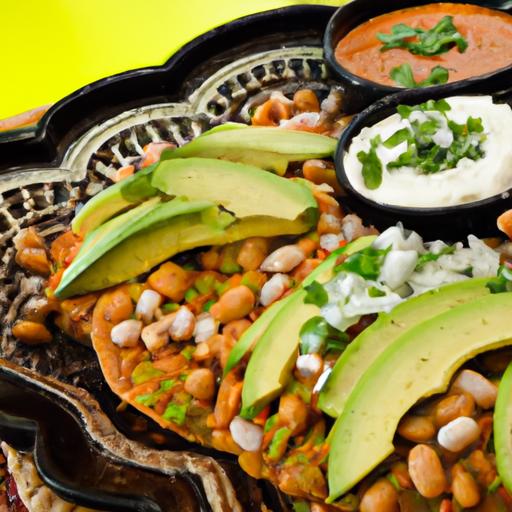

nestled within the vibrant tapestry of Mexican cuisine lies a humble yet beloved treasure: the tlacoyo de haba. This conventional delicacy, crafted from the creamy fava bean, is a testament to Mexico’s rich culinary heritage, blending ancient indigenous techniques with bold, earthy flavors. Beyond its hearty texture and satisfying taste, the tlacoyo de haba carries stories of communal gatherings, regional pride, and time-honored rituals. Join us as we explore the origins, cultural meaning, and mouthwatering appeal of this fava bean delight-a dish that invites you not only to taste Mexico’s history but to savor its soul.
Tlacoyos de Haba: Exploring Mexico’s Fava Bean Delight
Tlacoyos de haba are a treasured staple from Mexico, embodying centuries of indigenous culinary tradition while celebrating the humble fava bean. These savory, oval-shaped corn masa cakes are a brilliant canvas showcasing Mexico’s rich agricultural heritage and regional diversity. my first encounter with tlacoyos de haba was at a bustling market in Oaxaca, where their fragrance-earthy maize mingled with the subtle sweetness of fresh fava beans and smoky hints from a traditional wood fire-invited me to dive deep into their cultural story.
Prep and Cook Time
- Planning: 20 minutes
- Cook Time: 15 minutes
- Total Time: 35 minutes
Yield
- Servings: 6 tlacoyos (serves 3-4)
Difficulty Level
- Medium – requires basic masa handling and patience
A Closer Look at Traditional Ingredients and Preparation Techniques
Tlacoyos de haba harness the essence of two indigenous ingredients: masa harina (nixtamalized corn dough) and fresh or dried fava beans. The process begins with soaking and cooking the beans until tender, then mashing them into a savory filling that’s flavored with aromatic herbs like epazote or cilantro. The masa is handmade or freshly ground, prized for its natural corn flavor and pliability.
The dough must be soft but firm enough to mold and encase the fava bean filling. Expert cooks gently flatten a ball of masa, place a spoonful of the bean mixture inside, and carefully seal and shape it into a smooth, thick oval.Traditionally, tlacoyos are cooked over a comal-a flat griddle made of clay or cast iron-which imparts a subtle smoky char while sealing in moisture.
Flavor Profiles and Regional Variations to Savor
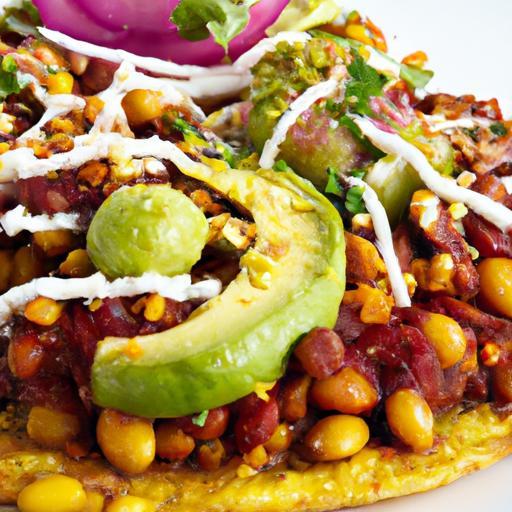
The flavor journey of tlacoyos de haba is deeply layered: a slightly sweet, nutty corn base pairs seamlessly with the earthy, buttery richness of fava beans. Notes of fresh herbs and a whisper of mild spice awaken the palate.In central Mexico, they’re often topped with queso fresco, tangy crema, and pickled jalapeños, enhancing textures and balance.
Regional twists abound-some regions stuff tlacoyos with beans seasoned with chilies or chorizo, while others incorporate squash blossoms or even huitlacoche for a luxurious depth. The variation extends to cooking methods; in Veracruz, for instance, they might be lightly fried for crispier edges.
Ingredients
- 2 cups masa harina (corn flour for tortillas)
- 1 ¼ cups warm water
- 1 cup fresh or frozen fava beans, shelled and cooked
- 1 tsp salt
- ½ cup finely chopped white onion
- 1 clove garlic, minced
- 2 tbsp chopped fresh cilantro
- 1 tsp epazote (optional but traditional)
- Vegetable oil for cooking (if frying)
- Queso fresco, Mexican crema, and pickled jalapeños for serving
Instructions
- Prepare the filling: In a skillet over medium heat, sauté the onion and garlic with a splash of oil until translucent, about 3 minutes. Add the cooked fava beans and cook for another 5 minutes,mashing the beans lightly to form a chunky paste. Stir in cilantro, epazote, and salt.Remove from heat and let cool.
- make the masa dough: In a mixing bowl,combine masa harina and salt. Gradually add warm water, kneading gently until the dough is smooth, slightly firm but pliable.If the dough cracks easily, add a teaspoon more water.
- Form the tlacoyos: Divide masa into 6 equal balls. Flatten each ball into a thick oval disk (~4 inches long). Place a tablespoon of the fava bean filling into the center, then carefully fold the edges over and reshape into an oval, ensuring the filling is sealed inside.
- Cook on comal or skillet: Heat a dry comal or non-stick skillet over medium-high heat. Place tlacoyos on the hot surface and cook for 3-4 minutes per side. Look for golden spots and a cooked-through texture.
- Optional frying method: For crispy edges, heat 1/4 inch vegetable oil in a skillet. Fry each side until golden brown, about 2 minutes each side. Drain on paper towels.
- Serve warm: top with crumbled queso fresco,a drizzle of crema,and pickled jalapeños. Garnish with sprigs of cilantro for a fresh finish.
Expert Tips for Making Authentic Tlacoyos de Haba at Home
- Freshness is key: Use freshly ground masa harina if possible-it elevates texture and flavor tremendously.
- Moisture balance: If filling seems too wet, cook it a little longer to reduce moisture, preventing dough sogginess.
- Seal the edges: pinch and smooth the dough entirely over the filling so tlacoyos don’t split during cooking.
- Rest the dough: Allowing the wrapped tlacoyos to rest 10 minutes before cooking helps firm them up.
- Make ahead: Prepare the bean filling a day in advance-flavors deepen beautifully overnight.
Serving Suggestions
Serve tlacoyos de haba piping hot, layered with fresh queso fresco and a generous drizzle of smooth Mexican crema. Add a shining punch with pickled jalapeños or a side of tangy salsas-such as tomatillo salsa verde. A simple salad of shredded cabbage and radishes balances the richness perfectly, while a cold glass of agua fresca (like hibiscus or tamarind) refreshes the palate. For a complete meal, pair with slow-simmered carnitas or grilled seasonal vegetables.
| nutrient | Per Tlacoyo (approx.) |
|---|---|
| Calories | 180 kcal |
| protein | 7 g |
| Carbohydrates | 28 g |
| Fat | 3.5 g |

for more on authentic Mexican masa-based dishes, explore our Mexican masa recipes collection and immerse yourself in traditional flavors.
Q&A
Q&A: tlacoyos de Haba – Exploring Mexico’s Fava Bean delight
Q1: What exactly are tlacoyos de haba?
A1: Tlacoyos de haba are a traditional Mexican dish made from a masa (corn dough) base stuffed or mixed with fava beans (haba). Shaped like an oval or thick oval masa pancake, they’re typically toasted on a comal (griddle) until golden and slightly crispy outside, while soft and comforting inside. Think of them as hearty, ancient-style corn cakes brimming with creamy fava bean goodness.
Q2: Where do tlacoyos de haba originate from?
A2: Originating from Mexico, tlacoyos are a staple dating back to pre-Hispanic times. The use of fava beans in tlacoyos is especially traditional in central Mexican regions, where beans have been cultivated for thousands of years alongside corn. These delectable snacks tell a story of indigenous agricultural ingenuity and cultural continuity.
Q3: Why are fava beans (haba) a star ingredient in these tlacoyos?
A3: Fava beans, or habas, lend a rich, earthy flavor and creamy texture that perfectly complements the mild masa dough. High in protein and fiber, fava beans make tlacoyos not just delicious but nourishing. They elevate this humble dish from simple street food to a fulfilling, authentic taste of Mexico’s agricultural heritage.
Q4: How are tlacoyos de haba traditionally prepared?
A4: the preparation starts with fresh masa nixtamalizada (lime-cooked corn dough).Fava beans are cooked until tender, sometimes mashed or kept whole, then folded into or mixed with the masa. The dough is shaped into oval patties and cooked on a hot griddle until slightly blistered and cooked through. once ready, tlacoyos de haba are frequently enough topped with toppings like fresh cheese, salsa, nopales (cactus), or crema for added flavor and texture.
Q5: What occasions are tlacoyos de haba typically enjoyed on?
A5: Tlacoyos are enjoyed year-round but are especially popular during festivals, markets, and family gatherings. They serve as nourishing street food snacks or hearty breakfast fare.Because of their deep roots, eating tlacoyos de haba connects diners to Mexico’s indigenous past and vibrant culinary traditions.
Q6: How do tlacoyos de haba compare to other Mexican dishes like gorditas or quesadillas?
A6: While gorditas and quesadillas frequently enough involve stuffing or layering with cheese and other fillings, tlacoyos are unique for their fava bean incorporation directly into or inside the masa itself. Their oval shape and dense, hearty texture set them apart as a distinct culinary experience. Plus, their ancient history adds a cultural dimension beyond the modern, popular favorites.Q7: Can tlacoyos de haba be made at home easily?
A7: Absolutely! With masa harina, cooked fava beans, and a hot griddle or skillet, home cooks can recreate this Mexican delight. The key is working the masa and beans into a pliable dough and cooking patiently to achieve the characteristic crispy exterior and creamy interior. Toppings like queso fresco, salsa verde, or pickled vegetables turn homemade tlacoyos de haba into a vibrant feast.
Q8: Why should food lovers add tlacoyos de haba to their culinary bucket list?
A8: Tlacoyos de haba are a window into Mexico’s ancestral flavors and traditions, showcasing the beauty of simple, local ingredients transformed with care and history.For adventurous food lovers, savoring this fava bean delight is a delicious journey into the heart of Mexican street food culture-rich in texture, flavor, and stories waiting to be tasted.
The Conclusion
As the sun sets over bustling Mexican markets and quiet village kitchens alike, the humble tlacoyo continues to hold its place at the heart of a vibrant culinary tradition. With its golden exterior and hearty fava bean filling, this beloved dish invites both locals and travelers to savor a taste of history, culture, and community in every bite. Exploring tlacoyos de haba is more than just a culinary adventure-it is a delicious journey into the soul of mexico, where ancient ingredients meet time-honored techniques to create a fava bean delight that transcends generations. Whether you find them steaming fresh from a street vendor’s griddle or carefully handcrafted at home, tlacoyos de haba promise a flavorful encounter that nourishes body and spirit alike. So next time hunger calls, why not embrace this traditional treasure and taste a piece of Mexico’s rich heritage?