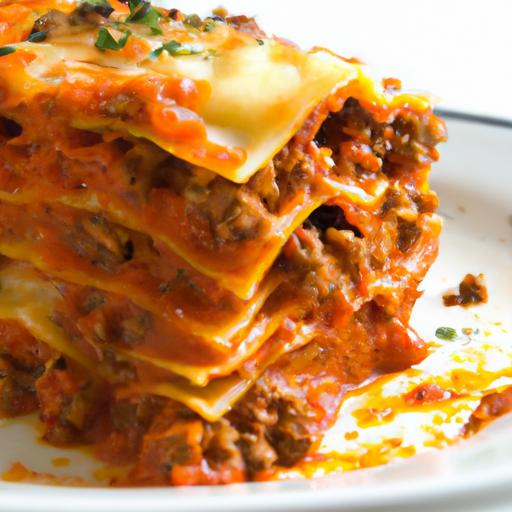

There are few dishes as deeply woven into the fabric of Italian culinary heritage as Lasagna alla Bolognese. This iconic recipe, with its layers of tender pasta, rich ragù, creamy béchamel, and melting Parmigiano-Reggiano, is more than just a meal-it’s a storytelling vessel of tradition, patience, and regional pride. In this article, we’ll embark on a flavorful journey to craft the classic Lasagna alla Bolognese, uncovering the history behind its cherished components and sharing time-honored techniques that bring this timeless taste to life in your own kitchen. Whether you’re a seasoned chef or a passionate home cook, prepare to master the art of layering flavors and textures that have delighted palates for generations.
Choosing Authentic Ingredients for Rich and Balanced Flavors
Crafting Classic Lasagna alla Bolognese: A Timeless Taste begins with an unwavering devotion to authenticity. The secret to a truly rich and balanced ragù lies not just in the technique but the quality of ingredients you select. Start with fresh, grass-fed ground beef and pork shoulder for depth and flavor. A blend of these meats delivers the perfect umami foundation. Use whole milk to enrich the sauce, balancing the acidity of San Marzano tomatoes, which offer vibrant sweetness and an unmistakably bright finish.
Don’t overlook the aromatics: finely diced yellow onions, carrots, and celery form the soffritto base, slowly sweated to coax out natural sugars and create a tender, fragrant background. For seasoning, opt for a pinch of freshly grated nutmeg and a couple of bay leaves-traditional touches that elevate the ragù’s complexity.
Prep and Cook Time
- Preparation: 30 minutes
- Cook Time: 3 hours 15 minutes (including slow simmer of ragù)
Yield
Serves 8 generously, perfect for family gatherings or special Sunday meals.
Difficulty level
advanced: Requires patience and attention to detail, but the results are worth every minute.
Ingredients
- 500g ground beef, preferably grass-fed
- 250g ground pork shoulder
- 120g pancetta, finely diced
- 1 medium yellow onion, finely chopped
- 2 medium carrots, finely diced
- 2 stalks celery, finely diced
- 3 cloves garlic, minced
- 2 tbsp extra-virgin olive oil
- 1 cup whole milk
- 1 cup dry white wine
- 800g San Marzano canned tomatoes, crushed by hand
- 2 tbsp tomato paste
- 1 bay leaf
- Pinch freshly grated nutmeg
- Salt and freshly ground black pepper, to taste
- 12 fresh lasagna sheets (or no-boil sheets, if preferred)
- 500g fresh béchamel sauce (see related recipe here)
- 300g freshly grated Parmigiano-reggiano
Instructions
- Sauté soffritto: Heat olive oil in a large heavy-bottomed pot over medium heat. Add pancetta and cook until crispy, about 5 minutes. Add onion, carrot, celery, and garlic; sauté gently until softened and golden, about 10 minutes, stirring frequently.
- Brown the meat: Increase heat to medium-high and add ground beef and pork. Break the meat apart and cook until browned but not fully cooked through, about 8 minutes. Stir regularly to ensure even browning without burning.
- Add milk and simmer: Pour in whole milk and simmer gently, stirring frequently, until milk has mostly evaporated, about 10-12 minutes. This step softens the meat and mellows acidity later.
- Deglaze with wine: Stir in white wine, let it reduce by half while stirring, around 8 minutes, to lift the fond from the pot and infuse flavor.
- Incorporate tomatoes: Add crushed San Marzano tomatoes, tomato paste, bay leaf, nutmeg, and a pinch of salt and pepper. Stir well, bring to a gentle simmer.
- Slow cook ragù: Reduce heat to the lowest setting, partially cover, and simmer slowly for at least 2.5 hours. Stir occasionally, adding a splash of water or stock if the sauce thickens too rapidly. The slow simmer lets flavors marry beautifully.
- Prepare béchamel and lasagna sheets: While ragù simmers, prepare your béchamel sauce or use pre-made. Boil fresh lasagna sheets briefly if required, then lay out on a clean tea towel to dry slightly.
- Assemble the lasagna: Preheat oven to 180°C (350°F). In a deep baking dish, spread a thin layer of ragù, then béchamel, followed by lasagna sheets.Repeat layering-ragù, béchamel, Parmigiano-ending with a generous final layer of béchamel and a thick sprinkle of cheese for that golden topping.
- Bake: Place foil tent over the dish and bake for 30 minutes. Remove foil and bake for an additional 15 minutes until bubbling and golden brown on top.
- Rest and serve: Let the lasagna rest for 15 minutes before slicing to set the layers perfectly for neat serving.
Tips for Success
- Use a heavy-bottomed pot to avoid scorching during the long ragù simmer.
- be patient-slow cooking builds deep, complex flavors classic to bolognese ragù.
- Make ragù a day ahead; it tastes even better after resting in the fridge overnight.
- For a vegetarian option, substitute meats with finely chopped mushrooms and walnuts, keeping the cooking method identical.
- Freshly grated Parmigiano-Reggiano is key-avoid pre-grated powders for authentic taste and melting quality.
Serving Suggestions
Serve your masterpiece with a simple arugula salad tossed in lemon and olive oil to refresh the palate. Accompany with a robust Italian red wine such as a glass of Barolo or Chianti Classico. garnish each slice with a fresh basil leaf or a sprinkle of microgreens for a touch of color and brightness.
For an extra Italian touch, warm some crusty bread brushed with garlic oil to soak up every last luscious bite of sauce.

| Nutrient | Per Serving |
|---|---|
| Calories | 520 kcal |
| Protein | 36 g |
| Carbohydrates | 32 g |
| Fat | 27 g |
Discover more on the art of Italian cooking in our Mastering Italian Pasta Techniques guide, and learn how ingredient authenticity shapes every dish’s story.
For a deeper dive into the science of slow-simmered sauces, Serious Eats’ classic Bolognese article is a must-read resource.
Q&A
Q&A: Crafting Classic Lasagna alla Bolognese: A Timeless Taste
Q1: What makes Lasagna alla Bolognese a timeless classic?
A1: Lasagna alla Bolognese holds a cherished place in culinary history due to its harmonious blend of rich, slow-cooked ragù, creamy béchamel, and tender pasta sheets. Originating from Bologna,Italy,this dish embodies tradition,patience,and layered flavors that have delighted generations.Its timeless appeal lies in the depth of taste achieved through simple,quality ingredients and authentic techniques.Q2: What are the essential ingredients for an authentic Lasagna alla Bolognese?
A2: At the heart of this classic are a few key components: a hearty Bolognese ragù made from minced beef and pork slowly simmered with tomatoes, soffritto (onion, celery, carrot), white wine, and milk; fresh or dried pasta sheets; a luscious béchamel sauce; and generous amounts of parmigiano-Reggiano. Each ingredient plays a pivotal role in constructing the dish’s signature layers of taste and texture.
Q3: How crucial is the Bolognese sauce in this recipe?
A3: The ragù is the soul of Lasagna alla Bolognese. Its preparation demands patience-simmered gently for several hours to develop deep, savory notes and tender meat. Unlike faster meat sauces, this ragù is unhurried, allowing flavors to mature and marry beautifully with the creamy béchamel and delicate pasta, creating the iconic richness that defines the dish.
Q4: Can you explain the role of béchamel sauce in the lasagna?
A4: Béchamel sauce brings a velvety creaminess that balances the robust meatiness of the ragù. Made from butter, flour, and milk, this white sauce harmonizes the layers, preventing dryness and adding a subtle, buttery softness that caresses each bite. Its silky texture contrasts wonderfully with the hearty ragù and tender pasta, making it indispensable to the traditional recipe.
Q5: What tips can you share for assembling the perfect lasagna layers?
A5: Patience and precision are key. Start with a thin layer of béchamel to prevent sticking, then a generous spread of ragù, followed by pasta sheets, then more béchamel and a sprinkling of Parmigiano-reggiano. Repeat these layers two to three times,finishing with béchamel and cheese on top for a golden crust. Avoid overloading the layers to ensure even cooking and a balanced texture.
Q6: How long should the lasagna bake, and what is the ideal temperature?
A6: Bake the assembled lasagna at 180°C (350°F) for about 40 to 50 minutes. This duration allows the flavors to meld, the béchamel to thicken beautifully, and the top to turn a delectable, bubbling golden brown. Letting the lasagna rest for 15-20 minutes after baking aids in setting the layers, making it easier to slice and enhancing the overall dining experience.
Q7: Can variations still honor the traditional spirit of Lasagna alla Bolognese?
A7: Absolutely! While the traditional recipe is a cherished template, many chefs and home cooks add their flair-perhaps incorporating subtle herbs, aged cheeses, or hand-rolled pasta. The key is respecting the balance and authenticity of the core ingredients and methods. After all, food is living tradition, capable of evolving without losing its soul.
Q8: why is making Lasagna alla Bolognese a special culinary experience?
A8: Crafting this dish is an act of love and reverence for Italian culinary heritage. It teaches patience, attention to detail, and appreciation for layering flavors both literally and figuratively. Each step celebrates cooking as an art-a slow, rewarding journey that culminates in a comforting meal that connects past and present through timeless taste.
To Conclude
As the rich aroma of simmered ragù and melted béchamel fades into the memory of your kitchen, you’ll find that crafting Classic Lasagna alla Bolognese is more than just following a recipe-it’s an invitation to savor tradition, patience, and the harmony of humble ingredients elevated to timeless artistry. Each layered slice tells a story steeped in Italian heritage,inviting you to gather around the table and celebrate the enduring joy of a dish that has transcended generations. So, whether you’re a seasoned home chef or an eager novice, may this classic lasagna inspire you to create moments as comforting and memorable as its golden, bubbling crust.Buon appetito!