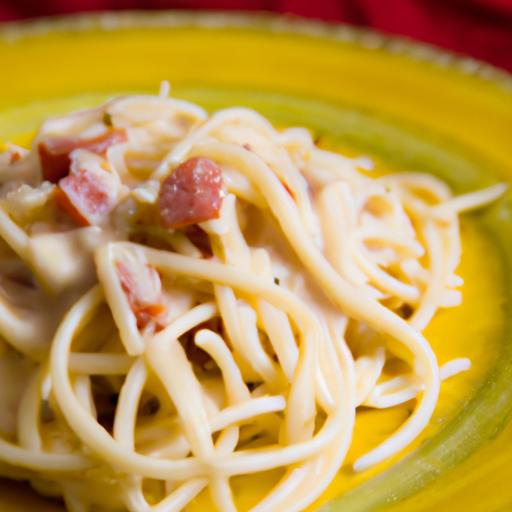

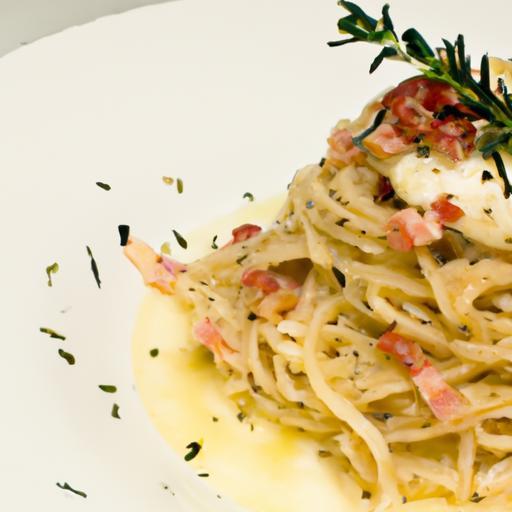
in the heart of italian cuisine lies a dish both simple and sublime: Spaghetti alla Carbonara. With its silky strands of pasta enveloped in a luscious, creamy sauce, speckled with crispy pancetta and kissed by black pepper, Carbonara is a festivity of Italian culinary artistry and tradition. Yet, beneath its seemingly effortless appearance lies a rich tapestry of history, technique, and regional pride waiting to be unraveled. Join us as we decode this beloved classic-unpacking the ingredients, myths, and mastery that make Spaghetti alla Carbonara a timeless symbol of Italy’s gastronomic soul.
Decoding Spaghetti alla Carbonara begins with appreciating its humble yet iconic roots in Roman cuisine, where few ingredients combine to create sheer magic. This dish, cherished worldwide for its silky, glossy sauce and intense flavors, embodies simplicity elevated to an art form. Unlike many creamy pasta dishes, its charm lies in the mastery of sauce texture achieved without a drop of cream, relying solely on eggs, cheese, and cured pork. Having crafted countless versions and witnessed its joyful reception at every table, I can assure you that understanding its origins deeply enriches your culinary journey and honors the authentic spirit behind every forkful.
Prep and Cook Time
- Planning: 15 minutes
- Cooking: 20 minutes
- Total Time: 35 minutes
Yield
Serves 4 generous portions
Difficulty Level
Medium – requires careful timing and technique to perfect the sauce consistency
ingredients
- 400g (14 oz) spaghetti – traditionally long pasta works best
- 150g (5 oz) guanciale, diced into small strips (substitute pancetta if unavailable)
- 3 large fresh eggs
- 100g (1 cup) Pecorino Romano cheese, finely grated
- Freshly cracked black pepper, to taste
- Coarse sea salt, for pasta water
Instructions
- Bring a large pot of water to a rolling boil, salting generously. Add spaghetti and cook until al dente (usually about 1 minute less than package instructions).
- While the pasta cooks, prepare the guanciale. Heat a dry skillet over medium heat and sauté the diced guanciale until golden brown and crisp,releasing its flavorful fat,about 5-7 minutes. Stir occasionally to avoid sticking. Remove from heat but leave the fat in the pan.
- In a mixing bowl, whisk together the eggs, grated Pecorino Romano, and a generous amount of black pepper. This mixture will create the creamy sauce without cream.
- Reserve about 1 cup of the pasta cooking water before draining. drain the spaghetti and promptly transfer it to the pan with the guanciale and its rendered fat. Toss to coat evenly over low heat for 1 minute.
- Remove the pan from heat and quickly pour the egg and cheese mixture over the pasta, tossing vigorously. Use small increments of reserved pasta water as needed to loosely emulsify the sauce, creating a smooth, silky texture without scrambling the eggs. The residual heat will gently cook the eggs.
- Adjust seasoning with extra Pecorino and black pepper if desired. Serve promptly to enjoy the sauce at its velvety best.
Tips for Success
- Use guanciale whenever possible – its rich flavor and texture are pivotal to authenticity.
- Whisk eggs and cheese thoroughly to avoid lumps in your sauce.
- Work quickly when combining eggs and pasta to prevent the eggs from curdling; removing the pan from direct heat is key.
- Reserve pasta water carefully; it’s your secret weapon for adjusting sauce consistency and silkiness.
- for a dairy twist, Pecorino Romano is customary, but a blend with parmigiano-Reggiano adds subtle nuttiness.
- Carbonara is best enjoyed immediately; leftovers tend to lose the creamy texture and dry out.
Serving Suggestions
Serve your spaghetti alla carbonara on warmed plates to keep the sauce luscious longer. Garnish modestly with a sprinkle of extra Pecorino Romano and a crack of fresh black pepper for visual contrast and flavor kick. Pair with a crisp, chilled white wine like Frascati or Verdicchio to complement the saltiness and richness. A light arugula salad dressed simply with lemon and olive oil makes a refreshing side, balancing the indulgent pasta.

| Nutrient | Per Serving |
|---|---|
| Calories | 550 kcal |
| Protein | 25 g |
| Carbohydrates | 60 g |
| Fat | 20 g |
Further Reading
Discover more about authentic Italian pasta dishes in our Classic Italian Pasta Recipes collection. For a deeper dive into the history and ingredients of Roman cuisine, check out this overview from Britannica.
Q&A
Q&A: Decoding Spaghetti alla Carbonara – Italy’s Creamy Classic
Q1: What exactly is Spaghetti alla Carbonara?
A1: At its core, Spaghetti alla Carbonara is a Roman pasta dish celebrated for its luscious, creamy sauce made without a drop of cream.traditional Carbonara combines al dente spaghetti with crispy guanciale (cured pork cheek),fresh eggs,Pecorino Romano cheese,and a generous grind of black pepper. The magic happens when the hot pasta meets the egg and cheese mixture, creating a silky, velvety coating that clings to every strand.
Q2: Where does the name “Carbonara” come from?
A2: The origins of the name “Carbonara” are shrouded in delicious mystery. One theory links it to “carbonari,” or Italian charcoal workers, who supposedly enjoyed this hearty meal. Another suggests the name relates to the speckled black pepper resembling coal dust. Irrespective of its etymology, Carbonara has become a culinary icon, symbolizing rustic Italy with every bite.
Q3: What makes Carbonara different from other creamy pasta dishes?
A3: Unlike Alfredo or many Americanized “creamy” pasta sauces, true Carbonara never uses cream. its creaminess is achieved purely from the emulsion of raw eggs blended with cheese and hot pasta water. This technique creates richness without heaviness-an elegant example of simplicity elevating humble ingredients.
Q4: Can you substitute the traditional ingredients,like guanciale or Pecorino Romano?
A4: While purists insist on guanciale’s smoky,fatty depth and Pecorino Romano’s sharp tang,home cooks sometimes adapt with pancetta or bacon and Parmesan cheese respectively. Though tasty, these swaps slightly shift the flavor profile. For the authentic Carbonara experience, seeking out the original ingredients adds an unmistakable Roman touch.Q5: What’s the secret to avoiding scrambled eggs while making Carbonara?
A5: The trick lies in temperature control and timing. The pasta must be hot enough to cook the eggs gently but not so hot that they scramble. Mixing quickly with some reserved pasta water helps create a smooth, creamy sauce. Avoid direct heat on the pan once you add the egg mixture-think of it as a delicate culinary dance requiring attention and finesse.
Q6: Are there any regional variations of Carbonara in Italy?
A6: Though Carbonara is quintessentially Roman, variations do exist. Some chefs incorporate cream or garlic-moves frowned upon by traditionalists. Other regions might use different pasta shapes like rigatoni or mezze maniche. However, these tweaks often spark spirited debates among Italians passionate about their Carbonara heritage.
Q7: Why has carbonara become such a beloved global favorite?
A7: Carbonara’s appeal lies in its brilliant simplicity and comforting richness-a dish that feels both luxurious and approachable. Its ingredients are accessible, and the cooking method turns humble pantry staples into something remarkable. It embodies the essence of Italian cooking: respect for quality ingredients, tradition, and uncomplicated yet unforgettable flavor.
Q8: How can one enjoy Carbonara beyond the classic spaghetti?
A8: While spaghetti reigns supreme, Carbonara’s creamy, savory sauce pairs beautifully with various pastas such as rigatoni, fettuccine, or bucatini. Adventurous eaters might experiment with adding peas or mushrooms for texture,even though these are not traditional. Ultimately, Carbonara invites creativity, encouraging each cook to find their own authentic twist while honoring its timeless roots.
Whether you’re a kitchen novice or a seasoned gastronome, decoding Spaghetti alla Carbonara reveals Italy’s genius: how a handful of simple ingredients, combined with technique and cultural pride, can create a dish that’s truly timeless. Buon appetito!
To Wrap It Up
As the final forkful of Spaghetti alla Carbonara twirls onto your plate,it’s clear that this creamy Italian classic is more than just a simple dish-it’s a delicious tapestry woven from history,technique,and authentic ingredients. Decoding Carbonara reveals that its magic lies not in complexity, but in the perfect balance of humble elements: crispy guanciale, rich egg yolks, sharp Pecorino Romano, and freshly cracked black pepper, all coming together to create a velvety symphony of flavor. Whether you’re a seasoned pasta lover or a curious culinary explorer, embracing Carbonara invites you to savor a genuine slice of Italy’s gastronomic soul-one creamy, comforting bite at a time. Buon appetito!