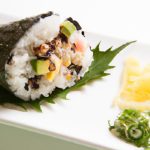

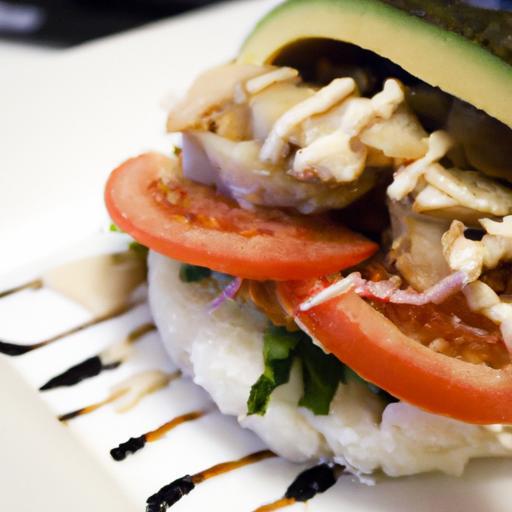
In the bustling streets of Tokyo, where tradition dances effortlessly with innovation, a new culinary delight has been quietly redefining the way we think about rice and sandwiches.Meet the onigirazu-a bold, modern twist on the classic Japanese rice ball that’s breaking free from its humble origins to become a versatile, portable feast.Unlike the neatly shaped onigiri of old, onigirazu unwraps a world of possibilities, stacking layers of flavors and textures between sheets of nori in a form that’s as convenient as it is captivating. Join us as we peel back the layers of this inventive creation, exploring how onigirazu is reshaping Japan’s lunch culture and inspiring food lovers around the globe to rethink the very idea of a sandwich.
Onigirazu,the modern marvel that redefines Japan’s beloved rice ball,has taken the culinary world by storm as a versatile and visually enticing rice sandwich. This innovative twist began as a practical solution for busy lunchtime cravings but has as blossomed into a canvas for creative fillings and bold flavors. Its simple yet clever construction-soft, seasoned rice wrapped around a treasure trove of ingredients and sealed with crisp nori-makes it a must-try for anyone passionate about Japanese cuisine.
Prep and Cook Time
- Preparation: 20 minutes
- Cooking: 15 minutes
- Total Time: 35 minutes
Yield
4 servings (4 onigirazu sandwiches)
Difficulty Level
Easy to Medium – beginner-friendly with room for customization
Ingredients
- 2 cups Japanese short-grain rice, rinsed and cooked
- 2 tablespoons rice vinegar
- 1 tablespoon sugar
- 1 teaspoon salt
- 4 large sheets nori (seaweed)
- 4 large lettuce leaves, washed and dried
- 1 cup cooked teriyaki chicken, sliced thinly
- ½ cup julienned cucumber
- ½ cup shredded carrot
- 2 tablespoons Japanese mayonnaise
- 1 tablespoon toasted sesame seeds
- Optional fillings: avocado slices, pickled ginger, cooked tamagoyaki (Japanese omelet), smoked salmon
Instructions
- Season the rice: In a small bowl, mix rice vinegar, sugar, and salt until dissolved. Gently fold this mixture into the warm cooked rice, using a wooden spatula. Set aside to cool to room temperature.
- Prepare your workspace: Lay the nori sheets shiny side down on a clean surface. Place one lettuce leaf in the center of each nori sheet-this creates a moisture barrier to keep the nori crisp.
- layer the fillings: On top of each lettuce leaf, spread about ½ cup of seasoned rice, flattening slightly. Add a thin layer of mayonnaise for creaminess.
- Add protein and veggies: Arrange the teriyaki chicken evenly over the rice, then layer cucumber, carrot, and any optional fillings you prefer, such as avocado or tamagoyaki. Sprinkle toasted sesame seeds for a nutty crunch.
- Seal the onigirazu: Carefully fold one corner of the nori over the filling center, then fold the opposite corner. Fold the remaining two corners to meet in the middle, forming a neat rice sandwich. Press gently but firmly to set the shape.
- Slice and serve: Using a sharp, dampened knife, slice the onigirazu diagonally into halves or quarters. Serve instantly for optimal nori crispness.
Tips for success
- Rice texture is key: Use freshly cooked short-grain rice and allow it to cool slightly before assembling to prevent the nori from becoming soggy.
- Layer thoughtfully: Place moist ingredients like sauces and pickled items away from direct contact with the nori sheet to keep it crisp.
- Knife technique: Dampen your knife before slicing to avoid tearing the nori and smooshing the rice layers.
- Make-ahead tip: Wrap finished onigirazu tightly in plastic wrap and keep refrigerated.Consume within 12 hours for the best texture and flavor.
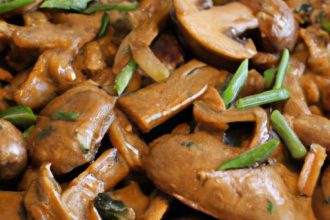
- Vegetarian options: Try marinated tofu, grilled mushrooms, or roasted eggplant for hearty plant-based fillings.
Serving Suggestions
Present the onigirazu sliced and arranged on a bamboo sushi mat or wooden board for a rustic touch.Garnish with pickled ginger, a small mound of wasabi, and a drizzle of soy sauce or ponzu on the side to highlight the flavors.Pair with a light miso soup or chilled green tea to round out the meal.
| Nutrient | Per Serving |
|---|---|
| Calories | 350 kcal |
| Protein | 22 g |
| Carbohydrates | 45 g |
| Fat | 9 g |

Expand your culinary journey by exploring more innovative Japanese rice recipes. For authentic cultural insights on rice and sushi, visit Japan-Guide.com.
Q&A
Q&A: Onigirazu Unwrapped – Japan’s Modern Twist on Rice Sandwiches
Q: What exactly is Onigirazu?
A: Onigirazu is Japan’s deliciously inventive take on the conventional rice ball, or onigiri. instead of shaping the rice into a tight triangle, onigirazu is a loosely wrapped rice sandwich, typically filled with a variety of savory ingredients and wrapped in nori (seaweed). Think of it as a sushi sandwich-portable, customizable, and utterly satisfying.
Q: How did Onigirazu come about? Is it a new invention?
A: While onigiri has been a staple in Japanese cuisine for centuries,onigirazu is a relatively recent innovation. It gained popularity in the early 2000s as people sought a fuss-free, versatile way to enjoy rice with fillings. Its unstructured, easy-to-make form caught on quickly, especially among busy urbanites and home cooks looking for creative lunchbox options.Q: What sets Onigirazu apart from traditional onigiri or other rice dishes?
A: The main difference lies in its size, shape, and assembly. Onigirazu is larger and sandwich-like, allowing for more diverse and layered fillings-from teriyaki chicken to avocado and even western-style ingredients like cheese and ham. Unlike molded onigiri,it’s wrapped flat,letting you see the cross-section of rice and fillings when cut open,making it as visually striking as it is indeed tasty.
Q: Can you describe the typical ingredients inside an Onigirazu?
A: Onigirazu loves variety! Common fillings include grilled salmon, pickled vegetables, egg omelet, tuna mayo, or spicy chicken. But the beauty is in its versatility-some pack in veggies like spinach and carrots, others add creamy avocado or even kimchi for a Korean twist. Rice, of course, is essential-usually plain Japanese short-grain rice seasoned with a little salt or rice vinegar.
Q: How is Onigirazu made? Is it arduous to prepare?
A: Surprisingly, it’s quiet simple! You lay out a square of nori, place a layer of rice in the center, add your choice of fillings, top with another layer of rice, and then fold the nori edges into a neat square parcel. After a brief rest, it’s ready to slice and serve. No special molds or cooking techniques needed-perfect for beginners and pros alike.
Q: Why has Onigirazu become so popular outside Japan?
A: Its global appeal stems from its convenience, portability, and customizable nature. In our fast-paced world, people crave food that’s nutritious, handheld, and flavorful. Plus, Onigirazu invites culinary creativity, blending flavors and cultures effortlessly. Social media love for its photogenic cross-section hasn’t hurt either!
Q: How does Onigirazu reflect modern Japanese culture?
A: Onigirazu embodies Japan’s fusion of tradition and innovation. It respects the foundational staple of rice while breaking free from formal presentation, mirroring the country’s evolving culinary landscape where convenience meets craftsmanship. It’s also emblematic of the shift toward casual, everyday sophistication in Japanese food culture.
Q: Any tips for someone wanting to try making Onigirazu at home?
A: Keep your rice slightly warm and sticky for easier handling. Don’t overload the fillings-balance is key to a tidy wrap. Experiment with flavors you love; there’s no wrong combination. And, if you want that perfect slice, let your Onigirazu rest wrapped for a few minutes before cutting-this helps it hold together beautifully.
Q: Where can people try authentic Onigirazu in Japan?
A: While found in convenience stores nationwide, the best Onigirazu experiences come from local cafes and specialty shops where chefs craft unique seasonal fillings. Tokyo’s trendy neighborhoods like Shibuya or shimokitazawa boast some inventive spots, blending traditional ingredients with global twists.
Q: Could Onigirazu be the future of on-the-go meals worldwide?
A: Absolutely! With its minimalist prep, visual appeal, and endless flavor possibilities, onigirazu fits perfectly into modern lifestyles that demand fast, healthy, and tasty meals. Whether as a lunchbox staple, picnic treat, or snack, it’s poised to become a global favorite in the appetizing art of rice sandwiches.
In Retrospect
As the humble onigirazu continues to rise beyond Japan’s bustling streets and into global kitchens, it serves as a delicious reminder that tradition and innovation can beautifully intertwine. This modern twist on the classic rice sandwich invites us all to rethink how we pack flavor and convenience into a single handheld bite. Whether wrapped neatly in nori or bursting with unexpected fillings, onigirazu exemplifies a culinary evolution that honors its roots while embracing today’s dynamic tastes.So, next time you crave something both familiar and fresh, remember: the onigirazu is waiting to be unwrapped-and ready to surprise your palate with every layered, portable mouthful.