
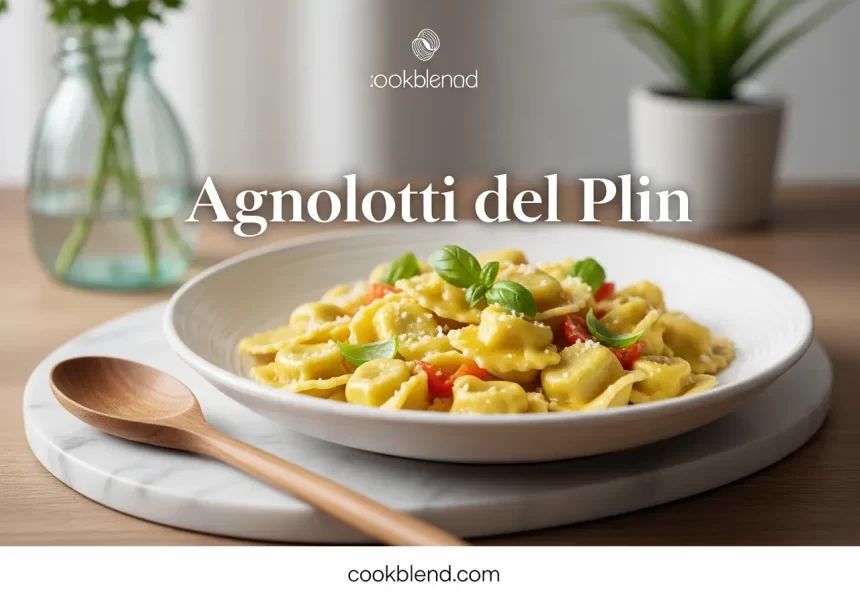
Agnolotti del Plin
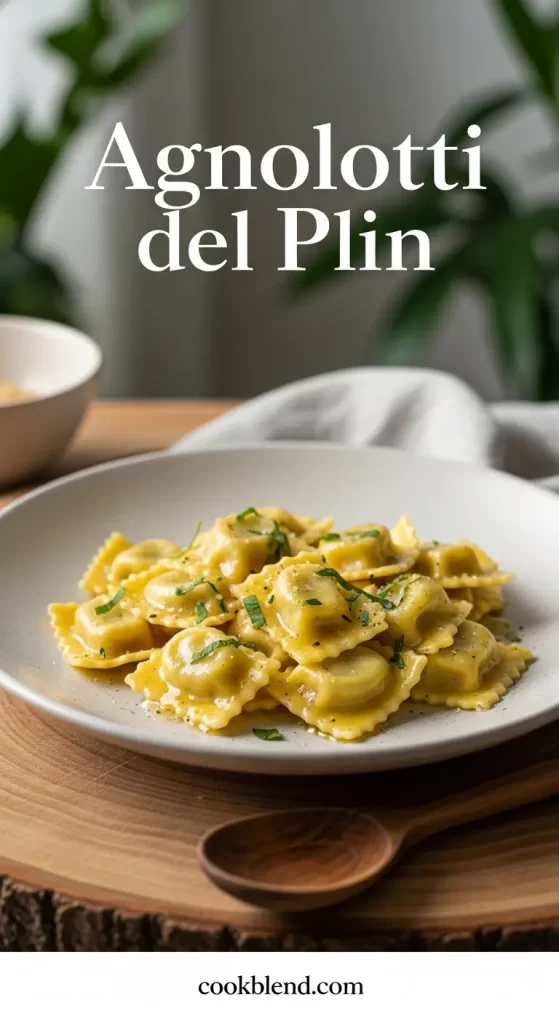
Agnolotti del Plin is a treasured pasta specialty from the Piedmont region of northern Italy, celebrated for its delicate shape and rich filling. Small, hand-pinched parcels of fresh pasta encase a savory mixture of roasted meats, vegetables, and aromatic herbs, making Agnolotti del Plin a true expression of Italian culinary craftsmanship. Elegant yet comforting, this dish reflects generations of tradition passed down through family kitchens.
What makes Agnolotti del Plin unique is its meticulous preparation and balance of flavors. The thin pasta dough allows the filling to shine, while the signature “plin” pinch seals each piece with care and precision. Typically served with simple butter and sage or a light meat reduction, Agnolotti del Plin highlights quality ingredients rather than heavy sauces.
Often enjoyed during festive meals or special gatherings, Agnolotti del Plin embodies warmth, heritage, and refined taste. Whether paired with a robust red wine or served as part of a traditional Italian menu, Agnolotti del Plin remains a timeless dish that honors the art of handmade pasta.
Prep and Cook Time
Readiness: 1 hour 30 minutes
Cooking: 4 minutes
Total Time: 1 hour 34 minutes
Yield
Serves 4 hungry guests
Difficulty Level
Advanced: Requires patience and careful handwork, but the payoff is immense
Ingredients
- 2 cups all-purpose flour, sifted
- 3 large eggs, room temperature
- 1 tablespoon extra virgin olive oil
- Salt, a pinch
- 150g roasted veal, finely minced
- 100g pork shoulder, slow cooked and shredded
- 50g Parmigiano-Reggiano, freshly grated
- 1 small shallot, finely chopped
- 1 sprig fresh rosemary, minced
- 50ml dry white wine
- Butter, for finishing
- Sage leaves, fresh, for garnish
Instructions
- Prepare the dough: On a clean work surface, mound the flour and create a well in the center. Crack the eggs into the well, add olive oil and a pinch of salt. Using a fork, gently whisk the eggs while gradually incorporating the flour from the edges. Knead the mixture for about 10 minutes until smooth and elastic. Wrap in plastic and let rest for 30 minutes to relax.
- Make the filling: In a skillet over medium heat,sauté the shallot with a touch of olive oil until translucent,about 3 minutes. Add the minced rosemary, roasted veal, and pork shoulder. Pour in white wine, simmer gently until liquid evaporates and filling is fragrant and cohesive, approximately 10 minutes. Remove from heat, stir in grated Parmigiano-Reggiano, and let cool wholly.
- Roll out the pasta: Divide the dough into four parts. Using a pasta machine or rolling pin, roll one piece as thin as possible (about 1mm thick).Keeping remaining dough covered, place small pea-sized dollops of filling spaced 2 inches apart on the dough sheet.
- Pinch and shape: Carefully cover with a second pasta sheet.Press around the filling to seal, then use your thumb and index finger to “plin” (pinch) each filled pocket, creating tiny, uniform agnolotti. Use a pasta cutter or a knife to separate them. Arrange on a floured tray to prevent sticking.
- Cook the agnolotti: Bring a large pot of salted water to a gentle boil. Add agnolotti in batches, simmering until they float to the surface, about 3 to 4 minutes.Remove carefully with a slotted spoon.
- Finish and serve: In a warm skillet, melt butter with fresh sage leaves until fragrant and lightly golden. Toss cooked agnolotti gently in the sage butter, allowing each piece to be coated beautifully.
- Plate and garnish: Serve promptly, garnished with a sprinkle of Parmigiano-Reggiano and a few crisp sage leaves for an aromatic finish.
Tips for Success
- Use cold eggs and room temperature flour for smoother dough texture.
- If the dough feels sticky,add flour sparingly to avoid toughness.
- For a quicker version, pre-cooked roasted meats can be finely chopped instead of slow cooking at home.
- Practice the “plin” technique with a few test pieces to achieve evenly sealed agnolotti that won’t open during cooking.
- Make agnolotti ahead of time, freeze on baking trays, then transfer to bags for up to 2 weeks; cook directly from frozen.
- Experiment with fillings by substituting veal for mushrooms or seasonal greens for vegetarian options.
serving Suggestions
Present your agnolotti del Plin on rustic white ceramic plates to emphasize their delicate shape and golden hues. Accompany the dish with a glass of Piedmont’s famed Barolo or a crisp Gavi di Gavi to complement the rich, meaty flavors. A drizzle of aged balsamic or a light veil of truffle oil can elevate the presentation with added depth. Garnish simply with freshly grated Parmigiano and a couple of fried sage leaves for an elegant touch.
| nutritional Info (per serving) | Amount |
|---|---|
| Calories | 450 kcal |
| protein | 25 g |
| Carbohydrates | 42 g |
| Fat | 18 g |

Explore More Piedmontese Traditions
Delve deeper into the flavors of Piedmont with our guide to Traditional Piedmontese Dishes. Uncover recipes that celebrate the region’s agricultural bounty and artisanal craftsmanship.
For past context and the cultural importance of Agnolotti del Plin, consult the detailed analysis by Academia.edu’s culinary archives.
Q&A
Q&A: discovering Agnolotti del Plin – Piedmont’s Hidden Pasta Gem
Q: What exactly are Agnolotti del Plin?
A: Agnolotti del Plin are delicate, tiny stuffed pasta pockets hailing from Italy’s picturesque Piedmont region. Their name, “del Plin,” means “the pinch” in Piedmontese, referring to the way these little pillows of flavor are carefully pinched closed by hand.Each bite offers a tender wrap of rich, savory fillings encased in silky fresh pasta-a true celebration of artisanal Italian cooking.
Q: How did Agnolotti del Plin originate?
A: Legend has it that Agnolotti del Plin were born as a humble yet ingenious solution by Piedmontese cooks who wanted to use up leftover roasted meats and vegetables. Over time,the recipe evolved and elevated,becoming a symbol of regional pride and culinary mastery. This pasta tells a story of community, tradition, and the joyful creativity that defines Italy’s northern heartland.
Q: What ingredients typically go inside Agnolotti del Plin?
A: Classic fillings vary but commonly include a flavorful blend of roasted meats like beef, pork, or rabbit, often combined with fresh herbs and sometimes vegetables or cheese. The filling is finely minced or pureed to create a luscious texture that complements the thin sheets of pasta enveloping it.
Q: How are Agnolotti del Plin traditionally served?
A: These little parcels shine brightest when served simply-usually tossed in browned butter with fresh sage, or drizzled with a light meat jus or broth.The goal is to enhance the filling’s rich flavors without overpowering the delicate pasta, allowing each “pinch” to be savored like a hidden treasure.Q: What makes Agnolotti del Plin unique compared to other stuffed pastas?
A: Unlike larger ravioli or tortellini,Agnolotti del Plin are smaller and uniquely pinched shut by hand,giving them a distinctive shape and texture. their refinement lies in the balance of a tender pasta exterior with a deeply flavorful filling, and in the time-honored craftsmanship that goes into each tiny morsel. They embody Piedmont’s ethos of humble ingredients transformed into elegant cuisine.
Q: Can Agnolotti del Plin be made at home by pasta enthusiasts?
A: Absolutely! While the pinching technique and filling require patience and practice, adventurous home cooks can replicate Agnolotti del Plin to bring a slice of Piedmontese tradition to their kitchen. Using fresh pasta dough and experimenting with different savory fillings makes for a rewarding, hands-on culinary adventure.
Q: where can one experience authentic Agnolotti del Plin in Italy?
A: The best place to indulge in authentic Agnolotti del Plin is the Piedmont region itself-particularly in towns like Asti, Alessandria, and the Langhe countryside. Here, family-run trattorias and local festivals celebrate this hidden pasta gem, offering it fresh from the kitchen alongside heavenly regional wines and rustic hospitality.
Q: Why should travelers or food lovers put Agnolotti del Plin on their culinary must-try list?
A: Because discovering Agnolotti del Plin is like uncovering a secret chapter of Italy’s rich gastronomic story. These tiny bites pack centuries of history, culture, and savory passion into every mouthful-reminding us that the moast extraordinary flavors frequently enough come from the smallest, humblest creations. It’s a delicious way to taste authentic Piedmont and connect with Italy’s culinary soul.
Wrapping Up
As the delicate folds of Agnolotti del Plin continue to capture the hearts and palates of food lovers worldwide, this understated treasure from Piedmont reminds us that true culinary magic often lies in humble tradition. Weather nestled in a rustic kitchen or gracing a refined table, each tiny pinch tells a story of craftsmanship, heritage, and regional pride. So the next time you seek an authentic taste of Italy beyond the well-trodden pasta paths, let Agnolotti del Plin guide you to the rich and flavorful soul of Piedmont-where every bite is a whispered invitation to discover something beautifully rare.