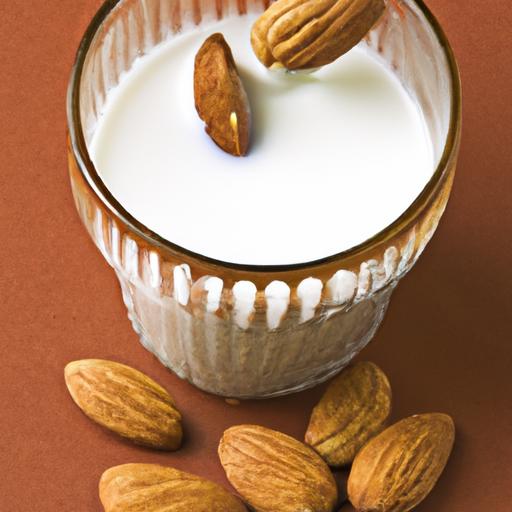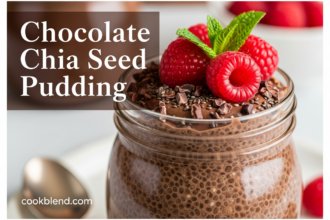

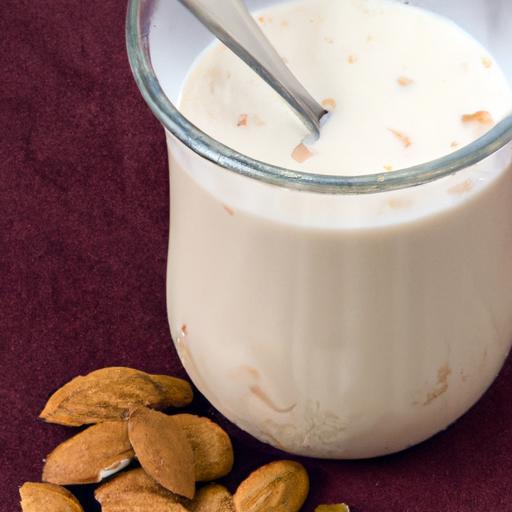
In a world increasingly curious about healthier lifestyles and mindful eating, almond milk has emerged as a creamy, nutty alternative that’s capturing the hearts-and taste buds-of many.But beyond its smooth texture and subtle sweetness lies a wealth of benefits, versatile uses, and intriguing nutritional facts waiting to be uncovered. Whether you’re a devoted vegan,lactose-intolerant,or simply looking to diversify your diet,almond milk offers a captivating blend of nature’s goodness and modern nutrition. Join us as we unveil the story behind this beloved plant-based beverage, exploring how it nourishes the body, elevates everyday recipes, and fits into the puzzle of a balanced diet.
Almond milk unveils a subtle yet transformative experience not only for your palate but also for your digestive wellness.Celebrated for its gentle digestion and nutrient-rich profile, this plant-based milk has long been embraced in Mediterranean and Middle Eastern diets. Today, its a staple for those seeking flavorful and soothing alternatives to dairy, especially if you have sensitive digestive systems or lactose intolerance. incorporating almond milk creatively into your daily diet can elevate simple meals into nourishing delights while supporting gut health with its natural enzymes and fiber content.
Prep and Cook time
- Planning Time: 10 minutes
- Cooking Time: 15 minutes (mostly for warm applications)
Yield
Serves 2 generous portions
Difficulty Level
Easy – perfect for beginners and busy lifestyles
Ingredients
- 2 cups unsweetened almond milk (preferably homemade or certified organic)
- 1 cup rolled oats, soaked for 10 minutes
- 1 ripe banana, mashed
- 1 tablespoon chia seeds
- 1 teaspoon pure vanilla extract
- 1 teaspoon ground cinnamon
- 1 tablespoon raw honey or maple syrup (optional)
- A pinch of sea salt
- Fresh berries and sliced almonds for garnish
Instructions
- Combine the soaked oats and almond milk in a medium saucepan over medium heat. Stir gently to integrate and prevent clumping.
- Bring the mixture to a simmer,then reduce the heat to low and cook for 5-7 minutes,stirring occasionally until the oats are tender and creamy.
- Remove from heat and stir in the mashed banana, chia seeds, vanilla extract, cinnamon, and honey. Mix until smooth and fragrant. The banana adds natural sweetness and a creamy texture.
- Allow the oat-almond milk blend to rest for 3 minutes – this helps the chia seeds thicken the porridge while aiding digestion.
- Spoon the porridge into bowls and garnish with fresh berries and a sprinkle of sliced almonds for a satisfying crunch and extra nutrition.
Chef’s Notes
- Variation Delight: Swap oats for quinoa flakes to add a protein boost and change the texture.
- Dairy-Free Boost: For a richer taste, use almond milk with added almonds or vanilla flavor.
- Make Ahead: Prepare the base the night before; reheat gently with a splash of almond milk for morning ease.
- Digestive tip: Chia seeds swell and form a gel-like consistency, which helps soothe the digestive tract-perfect for a gentle breakfast.
- Sweetness Control: If you prefer less sugar, omit the honey and rely on banana’s natural sweetness.
Serving Suggestions
This creamy almond milk porridge pairs beautifully with a drizzle of almond butter and a sprinkle of flaxseeds, creating a rich mouthfeel and digestive fiber boost. For visual appeal, add a few edible flower petals or a dusting of cacao powder. Serve warm in rustic ceramic bowls to enhance the cozy, wholesome vibe of this dish. Enjoy with a cup of herbal tea, such as peppermint or ginger, which further supports digestion and refreshes the palate.

| Nutrient | Per Serving |
|---|---|
| Calories | 230 kcal |
| protein | 6 g |
| Carbohydrates | 35 g |
| fat | 7 g (mostly healthy fats) |
| Fiber | 8 g |
| Calcium | 25% DV* |
Understanding the nutritional profile of almond milk underscores its value beyond flavor: it is low in calories and rich in vitamins like E, with moisturizing plant compounds that promote a balanced gut flora. When selecting almond milk, choose unsweetened, fortified options that align with your dietary goals-whether that’s higher calcium for bone health or added probiotics for digestive comfort. For an expert review on plant-based milks and digestive impact, consider visiting Healthline’s comprehensive guide.
For more inspiring ideas on plant-powered recipes, check out our related post on Vegan Breakfast Ideas That Energize Your Morning.
Q&A
Q&A: Almond Milk Unveiled – Benefits, Uses, and Nutritional facts
Q1: What exactly is almond milk?
A1: Almond milk is a creamy, nutty-flavored plant-based beverage made by blending almonds with water and then straining the mixture to remove solids. It’s a popular dairy milk alternative cherished for its light texture and subtle sweetness, all without any lactose or cholesterol.
Q2: How nutritious is almond milk compared to regular cow’s milk?
A2: Almond milk generally contains fewer calories and less protein than cow’s milk. It’s naturally low in sugars and fats but frequently enough fortified with vitamins and minerals like calcium, vitamin D, and vitamin E. This makes it a nutrient-rich choice, especially for those seeking a lighter option or avoiding dairy.
Q3: Who can benefit most from drinking almond milk?
A3: Almond milk is a superstar for people with lactose intolerance, dairy allergies, or vegan lifestyles. It’s also a hit among those looking to reduce calorie intake or embrace plant-based diets. Plus, its heart-healthy fats and antioxidant vitamin E provide added perks for overall wellness.
Q4: Can almond milk be used in cooking and baking?
A4: Absolutely! Almond milk’s versatile creamy texture makes it a fantastic addition to smoothies, coffee, cereals, sauces, and baked goods. it can often replace cow’s milk cup-for-cup, adding a delicate nutty nuance while keeping recipes dairy-free.
Q5: Are there any drawbacks to almond milk?
A5: While almond milk shines in many ways, it has less protein than cow’s milk, so those relying on it solely for protein may need to supplement elsewhere. Also, some commercial brands contain added sugars or preservatives-always check labels to choose the healthiest option.
Q6: Is homemade almond milk better than store-bought?
A6: Homemade almond milk allows you to control ingredients, avoiding additives and excess sugars. It tastes fresh and pure, though it has a shorter shelf life. Store-bought almond milk offers convenience and fortification but be mindful of ingredients and nutrition info.
Q7: How environmentally amiable is almond milk?
A7: Almond milk boasts a lower carbon footprint than dairy milk, requiring less greenhouse gas emissions. However, almond farming demands significant water resources, especially in drought-prone regions. so, it’s a greener choice but with some environmental considerations.
Q8: What should I look for when choosing almond milk at the store?
A8: Seek unsweetened varieties fortified with calcium and vitamins D and B12 for maximum health benefits. Avoid those with added sugars or artificial flavors. Organic options can also be a cleaner choice, ensuring fewer pesticides.
Q9: Can almond milk cause allergies?
A9: Yes, since almonds are tree nuts, almond milk can trigger allergic reactions in people sensitive to nuts. Always exercise caution if you have known allergies and consult with a healthcare professional if uncertain.
Q10: What’s the bottom line on almond milk?
A10: Almond milk is a delightful, nutritious, and dairy-free alternative that offers a unique flavor and numerous health benefits. whether sipped on its own, stirred into recipes, or poured over your favorite cereal, it’s a versatile option worth exploring-just keep an eye on ingredients and nutritional balance for the best results.
In Summary
as we’ve journeyed through the creamy world of almond milk-from its nutritional highlights and versatile uses to the surprising benefits that make it a favorite for many-it’s clear that this humble nut’s essence offers more than just a dairy alternative. Whether you’re sipping it straight, blending it into smoothies, or adding it to your favorite recipes, almond milk stands as a testament to how nature’s simple gifts can nourish both body and palate. So next time you reach for a milk substitute, remember: almond milk isn’t just a trend-it’s a flavorful, nutritious choice that’s here to stay. Cheers to sipping smarter and savoring better!