
Prep and Cook Time
- Preparation: 20 minutes
- Cooking: 15 minutes
- Total: 35 minutes
Yield
Serves 4 (approximately 12 pieces)
Difficulty Level
Medium – Perfect for adventurous cooks aiming to refine frying skills with authentic ingredients
Ingredients
- 12 large shrimp (16/20 count),peeled and deveined with tails left on
- 1 cup all-purpose flour,sifted
- 1/2 cup rice flour
- 1 large egg,lightly beaten
- 1 cup ice-cold sparkling water (or ice water)
- 1/2 teaspoon baking soda
- Vegetable or canola oil,for frying (about 4 cups)
- Salt,for seasoning
- Grated daikon radish and lemon wedges,for serving
- Tempura dipping sauce (tentsuyu),store-bought or homemade
Instructions
- Prepare the shrimp: Gently butterfly each shrimp by making a shallow cut along its back to straighten it without cutting through. Lightly pat dry with paper towels to remove excess moisture-this step is vital for ultimate crispiness.
- mix dry ingredients: In a medium bowl, combine all-purpose flour, rice flour, and baking soda. Sifting ensures a delicate texture and even distribution.
- Make the batter: In a separate bowl, lightly beat the egg, then add the ice-cold sparkling water. Slowly fold this wet mixture into the dry flour blend using chopsticks or a fork. Do not overmix; lumps are essential to a light, airy batter.
- Heat the oil: Pour oil into a deep pot or wok, heating to 340°F (170°C). Use a thermometer for accuracy.
- fry the shrimp: Dust the prepared shrimp lightly with dry rice flour to help the batter adhere. Dip each shrimp into the batter, then gently lower into the hot oil. Fry in small batches to prevent temperature drop, cooking about 2-3 minutes or until pale golden and crisp.
- Drain and season: remove shrimp with a slotted spoon and drain on wire racks or paper towels. Sprinkle promptly with a pinch of salt to enhance flavor.
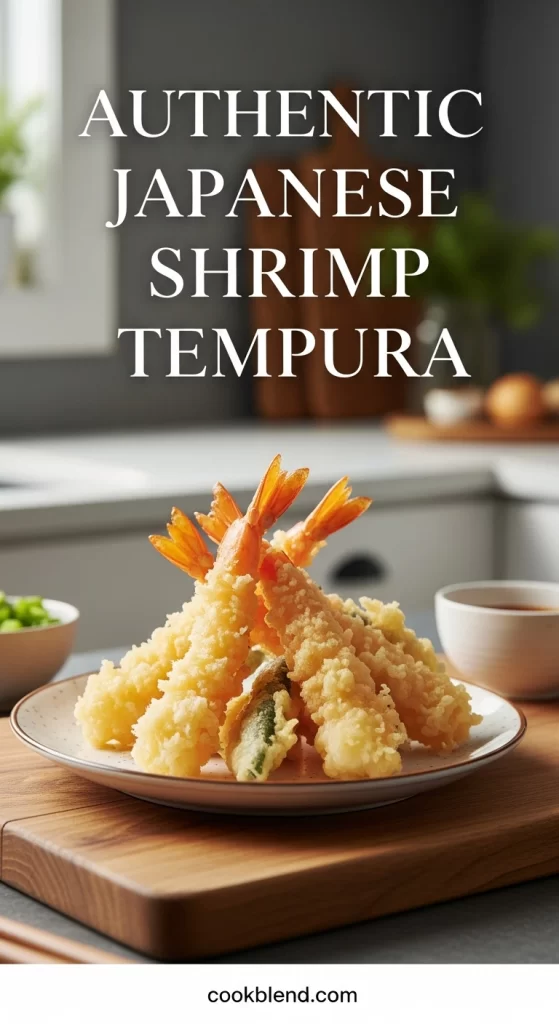
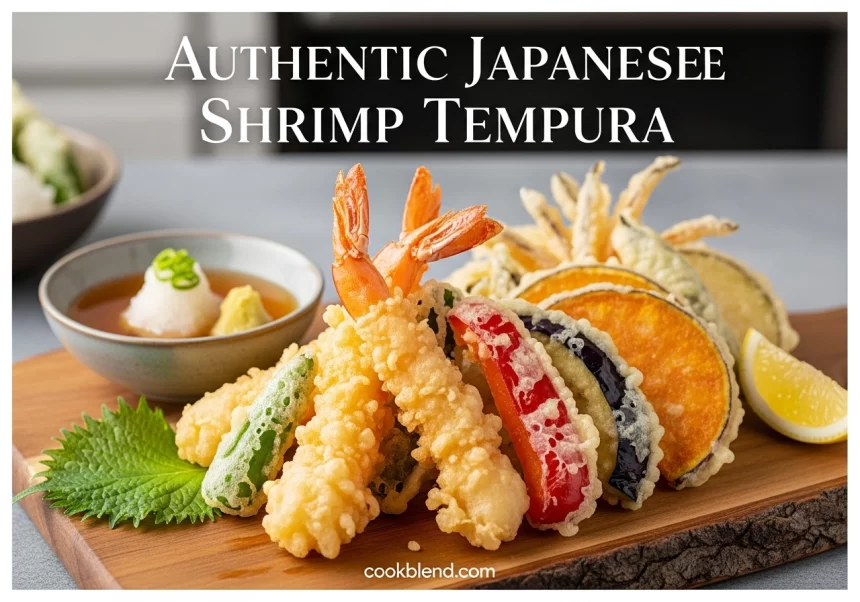
- Serve: Arrange shrimp tempura on a platter with grated daikon radish, lemon wedges, and a small bowl of tentsuyu sauce for dipping.
Tips for Success: Selecting the Perfect Shrimp and Frying Techniques
Choosing the right shrimp sets the foundation for a crispy delight.Opt for large, fresh shrimp with firm flesh and intact tails for visual appeal and texture. The tail acts as a handle, adding elegance and ease when enjoying your tempura.
Using a blend of all-purpose and rice flour imparts the signature light crunch, where rice flour absorbs less oil. Ice-cold sparkling water creates bubbles in the batter,expanding during frying for that coveted airiness. Avoid overmixing; a few lumps yield a crispier crust.
Maintaining consistent oil temperature is crucial-too hot will burn the batter; too cool will make tempura soggy. Fry in small batches and drain well to prevent oil absorption. A gentle flick of batter coats shrimp in an irregular, feathery pattern-a hallmark of expert tempura.
Serving Suggestions and Accompaniments to Elevate Your Tempura Experience
Serve your golden shrimp tempura atop a bed of steaming white rice or alongside soba noodles for a balanced meal. complement with lightly pickled vegetables or a crisp salad for contrast.
Garnish with freshly grated daikon radish and a squeeze of lemon to cut through the richness. Traditional tentsuyu dipping sauce-made from dashi, soy sauce, and mirin-adds umami depth, but a sprinkle of flaky sea salt or matcha salt offers a delightful twist.
For visual styling, arrange tempura on a rustic wooden board with bamboo leaves or parchment, enhancing the authentic Japanese dining atmosphere. Capture the crisp textures and shimmering batter with natural light to showcase your culinary craftsmanship.
| Nutrient | Per Serving (3 pcs) |
|---|---|
| Calories | 280 kcal |
| Protein | 18 g |
| Carbohydrates | 20 g |
| Fat | 12 g |

For further insights on mastering Japanese frying techniques, check out serious Eats’ dedicated tempura guide. also, explore our Authentic Japanese Fried Chicken recipe for another crisp, savory delight.
Q&A
Q&A: Crispy Delight – Mastering Authentic Japanese Shrimp Tempura
Q1: What makes Japanese shrimp tempura different from other fried shrimp dishes?
A: Japanese shrimp tempura is distinguished by its ethereal crispiness and delicate batter. Unlike heavy,breaded coatings,tempura batter is ultra-light and slightly lacy,resulting in a crunchy shell that doesn’t overpower the sweetness of the shrimp. The magic lies in the batter’s simplicity and the balance of temperature control during frying.
Q2: What are the key ingredients for authentic shrimp tempura batter?
A: The classic tempura batter is surprisingly minimalistic-typically just ice-cold water, cake flour (or a low-protein flour), and a hint of egg yolk. The cold water is crucial as it slows gluten formation, keeping the batter light. Sometiems a sprinkle of baking soda or cornstarch is added for extra crunch, but traditional recipes emphasize purity and subtlety.
Q3: How do you prepare the shrimp before battering?
A: Prep is essential. First, devein and peel the shrimp, leaving the tail on for presentation.Score the underside lightly to prevent curling during frying. Pat them dry thoroughly to avoid excess moisture, which can cause oil splatters and batter inconsistency. Properly prepped shrimp will cook evenly and deliver that perfect snappy bite.
Q4: What’s the secret to achieving that iconic tempura crisp?
A: The key is speedy frying at the right temperature-around 340°F to 360°F (170°C to 180°C). The batter should be mixed gently and left slightly lumpy; overmixing activates gluten and makes it dense. Using cold batter and hot oil simultaneously creates steam pockets as the shrimp cooks, crafting an airy, crispy texture that almost melts in your mouth.Q5: Can you recommend tips for frying tempura at home without a deep fryer?
A: Absolutely! Use a heavy-bottomed pot or deep skillet with a thermometer to maintain steady oil temperature. Avoid overcrowding the pan, which can drop the oil temperature and lead to soggy results. Smaller batches, consistent heat, and draining tempura on wire racks or paper towels help preserve crispness.
Q6: What dipping sauces best complement shrimp tempura?
A: The classic accompaniment is tentsuyu-a simple dipping sauce made from dashi (Japanese soup stock), soy sauce, and mirin. It enhances umami without overshadowing delicate flavors. For a modern twist, you can also try ponzu, wasabi mayo, or a citrusy yuzu-soy blend.
Q7: How can beginners experiment to personalize their tempura?
A: Start with shrimp to master texture and technique. Then branch out to vegetables like sweet potato, shiitake mushrooms, or shishito peppers. Experiment with tempura batter by adding a touch of sparkling water or substituting some flour with rice flour for extra crispness. Remember, tempura is as much about the experience as the taste-embrace little imperfections as part of your culinary journey.
Q8: Why is mastering shrimp tempura considered a rite of passage in japanese cooking?
A: Shrimp tempura embodies the delicate balance of simplicity and skill. Achieving the perfect crispness without greasiness requires attention, patience, and respect for ingredients.It’s a beautiful lesson in technique and temperament-qualities that define much of Japanese cuisine. Master it, and you hold a key to one of Japan’s most beloved culinary treasures.
Whether you’re a home cook or an adventurous foodie, mastering authentic Japanese shrimp tempura opens a world of texture and flavor that’s wonderfully rewarding.So grab your shrimp, set your oil to temp, and dive into crispy delight!
In Summary
As you embark on your own culinary journey to master authentic Japanese shrimp tempura, remember that the magic lies in both simplicity and precision. From selecting the freshest shrimp to perfecting that ethereal, crispy batter, each step shapes a dish that’s as much an art as it is a delight. With patience and practice, you’ll soon transform humble ingredients into a golden, crunchy masterpiece that captures the very essence of Japanese tempura tradition. So, don your apron, embrace the sizzle, and let every bite be a crispy celebration of flavor and texture-your crispy delight awaits!