
At first glance, chickpeas and garbanzo beans might seem like two names for the same humble ingredient-a creamy, nutty legume beloved in kitchens worldwide. But beneath these interchangeable labels lies a rich tapestry of history, culture, and culinary identity waiting to be unraveled. Are chickpeas and garbanzos truly identical,or does the name we choose reveal deeper stories about geography,tradition,and flavor? Join us as we embark on a flavorful journey to unveil the bean’s true identity,exploring how this ancient pulse has worn many names yet continues to unite palates across the globe.
Understanding the Origins and Names: Chickpea or Garbanzo Bean
Chickpea vs. Garbanzo: Unveiling the Bean’s True Identity reveals a fascinating journey through history,culture,and cuisine. These two names belong to the same humble legume,cherished worldwide but known by distinct titles that hint at diverse culinary traditions. Originating over 7,000 years ago in the Middle East, the chickpea, also called the garbanzo bean, has woven itself into countless cultures-from the Mediterranean to South Asia-each adding unique flavors and preparations. Hearing the word “garbanzo” may evoke vibrant Spanish tapas or hearty Mexican stews, while “chickpea” feels at home in creamy hummus bowls and Indian chana masala. This dual identity reflects the bean’s universal appeal and adaptability.
Prep and Cook Time
- Preparation: 10 minutes (plus soaking time if using dried beans)
- Cooking: 45 minutes (boiling or simmering)
- Total Time: 55 minutes (plus 8 hours soaking if dried)
Yield
This recipe yields approximately 4 servings, perfect as a hearty main or side dish accompaniment.
Difficulty Level
Easy – Suitable for home cooks of all levels who want to explore legumes.
Nutritional Showdown: What Sets Chickpeas and Garbanzo beans Apart
While the names differ geographically, chickpeas and garbanzo beans share impressive nutritional benefits that make them a staple in healthy eating. They are packed with plant-based protein, fiber, and essential minerals like iron, magnesium, and folate. This nutritious profile supports digestive health, sustained energy, and muscle repair. Notably, chickpeas contain complex carbohydrates that promote a steady blood sugar level and beneficial phytonutrients that contribute to heart health.Incorporating chickpeas or garbanzo beans into your diet can be as simple as adding them to salads or blending them into creamy dips.
| Nutrient | Amount per 1 Cup Cooked |
|---|---|
| Calories | 269 kcal |
| protein | 15 g |
| Carbohydrates | 45 g |
| Fat | 4.2 g |
Culinary Uses Across the Globe: How Culture Defines the Bean
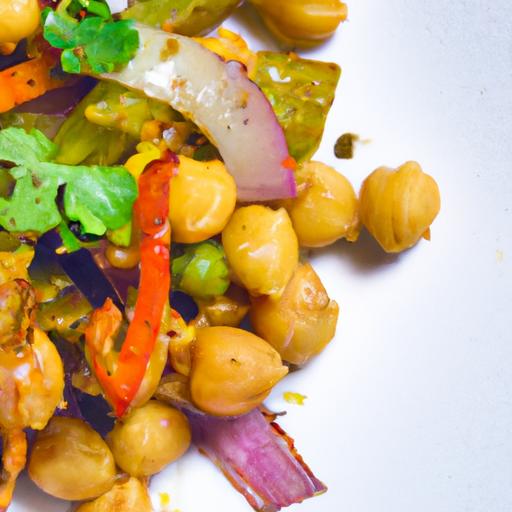
Chickpea vs. Garbanzo acquires vivid hues in the kitchen depending on where you find it. Mediterranean cuisine transforms it into silky hummus, boasting tahini, olive oil, and lemon zest that balance its subtle nuttiness. In Indian kitchens, it morphs into chana masala, a robust stew using aromatic spices, tomatoes, and fresh cilantro. Spanish and Mexican cultures embrace garbanzo beans in hearty soups or as roasted snacks seasoned with smoky paprika and chili. Each culinary tradition highlights different textures-from creamy purées to firm, nutty bites-showcasing this legume’s versatility and universal charm.
Choosing the Best for Your Diet and Recipes: Expert Tips and Recommendations
Selecting between canned or dried chickpeas or garbanzo beans depends largely on your time availability and desired texture. For rapid meals, high-quality canned beans work wonderfully if rinsed thoroughly to reduce sodium. Dried beans, though requiring soaking and longer cooking, offer superior flavor depth and customizable firmness. When buying dried chickpeas, opt for uniform, smooth beans without splits or discoloration for best results. Combine fresh herbs, spices, and bold acids like lemon juice or vinegar to elevate this simple bean.
Ingredients
- 1 cup dried chickpeas (garbanzo beans), soaked overnight and drained
- 4 cups water
- 1 medium onion, finely chopped
- 3 cloves garlic, minced
- 1 teaspoon ground cumin
- 1 teaspoon smoked paprika
- Salt to taste
- 2 tablespoons extra-virgin olive oil
- Juice of 1 lemon
- Fresh cilantro or parsley for garnish
Instructions
- Soak the dried chickpeas in plenty of water overnight (at least 8 hours). This reduces cooking time and enhances digestibility.
- Drain and rinse the soaked chickpeas well. Place them in a large pot with 4 cups of fresh water.
- Bring to a gentle boil, then reduce heat to a simmer. Cook uncovered for 40-45 minutes or until chickpeas are tender but not mushy. Skim off any foam during cooking.
- In a skillet, heat olive oil over medium heat. Add the chopped onion and sauté until translucent, about 5 minutes.
- add the minced garlic, cumin, and smoked paprika. Sauté for 1-2 minutes until fragrant, stirring constantly to prevent burning.
- Drain the cooked chickpeas, reserving 1/2 cup of the cooking liquid. Add the chickpeas to the skillet, stirring to coat with spices. Cook together for 5 minutes,adding reserved liquid as needed to create a light sauce.
- Remove from heat and stir in fresh lemon juice and salt to taste.
- Garnish with chopped cilantro or parsley before serving.
Tips for Success
- For a creamier texture, mash a portion of cooked chickpeas gently with the back of a spoon or potato masher.
- Use canned chickpeas to save time-rinse well to remove excess sodium, and adjust cooking liquid accordingly.
- Spice it up by adding chili flakes or a pinch of cayenne for heat.
- This dish can be made in advance and stored in the refrigerator for up to 3 days; flavors deepen overnight.
Serving suggestions
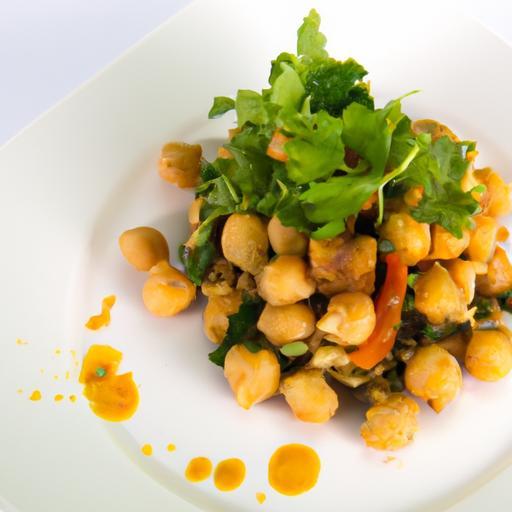
This flavorful chickpea dish pairs beautifully with warm pita bread, fluffy couscous, or steamed basmati rice. For a vibrant plate, serve with a dollop of creamy Greek yogurt or a drizzle of tahini sauce. Enhance the presentation with a sprinkle of toasted pine nuts or slivered almonds and a scattering of pomegranate seeds for sweetness and crunch.A crisp green salad or pickled vegetables complement the dish’s earthiness and add bright texture contrasts, making for an irresistible meal.

For those eager to dive deeper into legume nutrition and culinary magic, explore our comprehensive guide on pulses. For scientifically backed health facts on chickpeas, visit the harvard T.H. Chan School of Public Health.
Q&A
Q&A: Chickpea vs.Garbanzo – Unveiling the Bean’s True Identity
Q1: Are chickpeas and garbanzo beans different foods?
A1: Believe it or not,chickpeas and garbanzo beans are two names for the very same legume! “Chickpea” derives from the Latin cicer,whereas “garbanzo” comes from Spanish,reflecting the bean’s rich journey across cultures and cuisines. So next time you spot either name on your grocery list, rest assured-its the same nutty, versatile little bean inside.
Q2: why do we have two names for one bean?
A2: Language is a lively thing, and as chickpeas traveled from the middle East through Europe and into the Americas, different cultures gave the bean their own nickname. “Chickpea” became common in English-speaking parts of the world, while “garbanzo” is the term favored in Spanish-speaking countries. Both names celebrate this ancient bean’s diverse global heritage.
Q3: does the name affect how the bean is used in cooking?
A3: Not at all! Whether you call it chickpea or garbanzo, the bean’s culinary potential remains enormous. From creamy hummus and spicy chana masala to crunchy roasted snacks and refreshing salads, this humble legume is a global kitchen hero. The choice of name might hint at a cultural twist, but the flavor and nutrition stay gloriously consistent.
Q4: Can chickpeas/garbanzos be considered a “bean” or a “pea”?
A4: Even though they look like beans, chickpeas are technically a type of pulse-a dry edible seed from the legume family, alongside lentils and peas. the confusion frequently enough arises as ”bean” is a common catchall term we use for many legumes, but botanically speaking, chickpeas are closer cousins to peas than to kidney beans or black beans.
Q5: What makes chickpeas/garbanzo beans so special nutritionally?
A5: These little powerhouses pack a remarkable punch: rich in plant-based protein, fiber, vitamins, and minerals. They support digestive health, stabilize blood sugar, and even help to keep your heart happy. Whether dubbed chickpea or garbanzo,this bean is a superstar in both nutrition and sustainability.
Q6: How can I easily incorporate chickpeas/garbanzos into my diet?
A6: The possibilities are almost endless! Toss them into salads, blend them into soups or hummus, roast with spices for a crispy snack, or simmer in stews and curries. They’re also amazing at soaking up flavors,making them a favorite in vegetarian and vegan cooking. And remember, calling them chickpeas or garbanzos won’t change their magic at the dinner table.
Q7: So,what’s the takeaway on chickpea vs.garbanzo?
A7: Simply put-whether you call them chickpeas, garbanzos, or even Egyptian peas, it’s all the same delicious legume with a storied past and a bright future on your plate. Embrace the names, celebrate the bean, and enjoy the endless ways it can nourish and delight you!
Concluding Remarks
Whether you call it a chickpea or a garbanzo bean, this humble legume carries a rich history and a versatile presence on plates around the world. From ancient fields to modern kitchens, its dual identity reflects the diverse cultures that have embraced it through centuries. So next time you scoop a spoonful of hummus or toss a handful into your salad, remember that behind those two names lies the same tiny powerhouse-nourishing bodies and connecting traditions, one bean at a time. whether chickpea or garbanzo, its true identity is simply that of a global culinary hero.