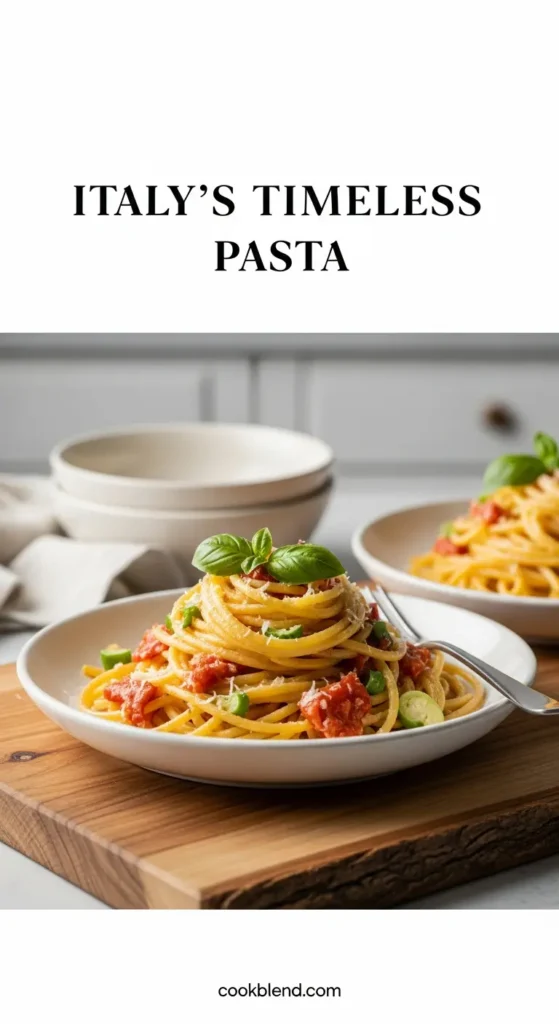

Italy’s Timeless Pasta represents centuries of culinary tradition passed down through generations. Across villages and cities, Italy’s Timeless Pasta reflects local ingredients, climate, and cultural identity. From handmade dough to slow-simmered sauces, Italy’s Timeless Pasta is rooted in patience and respect for technique. Families gather around the table to enjoy Italy’s Timeless Pasta, turning simple meals into meaningful moments.
What makes Italy’s Timeless Pasta so enduring is its balance between simplicity and depth of flavor. Fresh herbs, quality olive oil, and traditional methods define Italy’s Timeless Pasta in every region. Travelers exploring Italy quickly discover that Italy’s Timeless Pasta varies beautifully from north to south. Chefs worldwide study Italy’s Timeless Pasta to master authentic textures and sauces.
In modern kitchens, Italy’s Timeless Pasta continues to inspire both home cooks and professionals. Its ability to adapt while preserving authenticity explains why Italy’s Timeless Pasta remains a global favorite today.
Prep and Cook Time
Prep Time: 30 minutes
Cook Time: 5 minutes
total Time: 35 minutes
Yield
Serves 4 generous portions
Difficulty Level
Medium – Ideal for home cooks eager to upskill and experiment with dough crafting
Ingredients
- 2 cups all-purpose flour, sifted (plus extra for dusting)
- 3 large eggs, at room temperature
- 1 tbsp extra-virgin olive oil
- 1/2 tsp fine sea salt
- fresh water, as needed for kneading
- For Sauce Pairing: 3 tbsp unsalted butter, 4 fresh sage leaves (classic Italian pairing)
Instructions
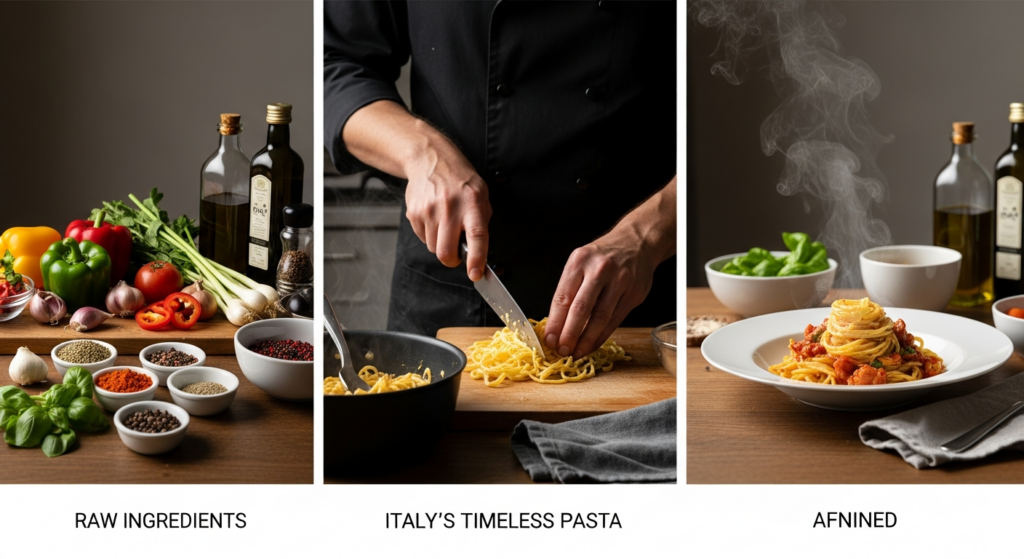
- Create a flour mound: On a large clean surface, sift your flour and shape into a well with a wide hollow center.
- Crack eggs into the well: Gently add eggs,olive oil,and sea salt into the center. Using a fork, whisk eggs slowly, slowly incorporating flour from the edges, taking care not to break the walls.
- Begin kneading: When the dough thickens, use your hands to start folding and pushing. Knead for 10 minutes until soft, elastic, and smooth. Add drops of water only if dough feels dry and crumbly.
- Rest the dough: Wrap dough tightly in plastic wrap and let it rest for 30 minutes at room temperature. This relaxes gluten, ensuring tender pasta.
- Roll and shape: Divide dough into 4 equal pieces.Using a pasta machine or rolling pin, roll thin sheets, dusting with extra flour to prevent sticking. Cut into desired shapes-tagliatelle, pappardelle, or hand-formed orecchiette.
- Cook pasta: Boil salted water and cook fresh pasta for 2-3 minutes until al dente. Fresh pasta cooks quickly, so watch carefully.
- Prepare classic sauce: In a pan, melt butter over medium heat, add sage leaves, and sauté gently until fragrant and golden, about 3 minutes.
- Toss and serve: Drain pasta reserving ½ cup cooking water. add pasta to the sage butter sauce, toss to coat. Adjust consistency with reserved water if needed.
Chef’s Notes & Tips for Success
- Flour choice matters: Use “00” flour for silky smooth pasta or semolina for a slightly coarser texture reminiscent of southern Italy.
- Temperature tip: Eggs at room temperature blend easier and yield better gluten development.
- Kneading technique: Don’t rush kneading. The dough should spring back when pressed, signaling well-developed gluten.
- Resting is essential: Skipping rest results in tough pasta or tearing during rolling and shaping.
- Make-ahead: Dough can be refrigerated up to 24 hours or frozen for up to 2 weeks-bring to room temp before rolling.
- Shape variations: Improvise with regional shapes: cut wider for hearty ragù or thin strands for lighter seafood pairings.
Serving Suggestions
Plate your fresh pasta elegantly in shallow bowls and finish with a generous drizzle of extra virgin olive oil for brightness.Garnish with freshly grated Parmigiano-Reggiano, cracked black pepper, and a scattering of toasted pine nuts or fresh basil for color contrast and texture. Accompany with a crisp glass of Verdicchio or Pinot Grigio to elevate the experience.

| Nutrient | Amount (per serving) |
|---|---|
| Calories | 350 kcal |
| Protein | 12 g |
| Carbohydrates | 52 g |
| Fat | 8 g |
For a deeper dive into classic Italian sauces that complement handmade pasta, check out our Authentic Italian Sauces Guide. To explore authentic regional traditions, visit International Cooking Italy,a trusted resource for Italian culinary heritage.
Q&A
Q&A: Twisting Tradition – Exploring Italy’s Timeless Pasta Recipes
Q1: what makes Italian pasta recipes truly timeless?
A1: italian pasta recipes are timeless because they blend simplicity with authenticity, honoring generations of culinary craftsmanship while celebrating local ingredients. Each dish tells a story of regional culture, history, and family traditions that have been lovingly passed down and savored for centuries.Q2: How do traditional recipes coexist with modern twists in Italian pasta?
A2: Traditional recipes serve as the foundation, embodying classic techniques and flavors. Modern twists come into play by experimenting with unconventional ingredients, creative presentations, or fusion elements-reimagining beloved dishes while respecting their roots. This dance between past and present keeps Italian pasta vibrant and evolving.
Q3: Can you give an example of a “twisted” traditional Italian pasta dish?
A3: Take the classic Carbonara, traditionally made with eggs, pecorino cheese, guanciale, and black pepper. A creative twist might substitute pancetta with smoked salmon or incorporate a hint of truffle oil, adding new dimensions without losing the soul of the dish.
Q4: Why is regionality critically important in Italian pasta traditions?
A4: Italy’s culinary landscape is richly diverse, with each region boasting unique pasta shapes, sauces, and ingredients influenced by geography, climate, and local culture. Celebrating regional variants reveals how deeply pasta is woven into Italy’s identity and how traditions evolve naturally within localized contexts.Q5: What role do fresh, local ingredients play in these recipes?
A5: Fresh, local ingredients are the lifeblood of Italian pasta recipes. From sun-ripened tomatoes to fragrant herbs and artisanal cheeses, these staples elevate simple pasta dishes into extraordinary experiences. Their freshness ensures vibrant flavors and authentic textures that define the essence of Italian cooking.
Q6: How can home cooks embrace this “twisting tradition” approach?
A6: Home cooks can start by mastering a few classic recipes, then play with ingredient substitutions, presentation, or cooking methods. Experimenting with seasonal produce, marrying old-world flavors with new inspirations, and respecting the balance of textures and tastes allows anyone to honor tradition while adding a personal spark.
Q7: Ultimately, what does exploring Italy’s pasta heritage teach us?
A7: Exploring Italy’s pasta heritage teaches us that food is a living tradition-rooted in history yet always ripe for reinvention. It reminds us to savor simplicity, cherish community, and approach cooking with curiosity and respect. In every twirl of spaghetti or bite of ravioli, we taste a rich tapestry of culture, creativity, and timeless passion.
In Summary
As we’ve untangled the rich history and vibrant creativity woven into Italy’s pasta traditions, it’s clear that these timeless recipes are much more than meals-they are stories, memories, and cultural treasures passed down through generations. Whether you choose to honor a classic sauce or dare to twist tradition with new ingredients and techniques, each plate of pasta invites you to partake in a living legacy. So next time you boil water and reach for the dough, remember: you’re not just cooking-you’re joining a centuries-old dance of flavor and heritage, one appetizing forkful at a time. Buon appetito!