
In the vibrant world of Korean cuisine, few dishes carry as much cultural weight and comforting allure as jajangmyeon-those glossy, black bean noodles that have become a beloved staple from bustling city streets to cozy neighborhood homes. But beyond its savory sheen lies a fascinating narrative woven from history, migration, and culinary innovation. “Jajangmyeon Unveiled: The Rich Story Behind Black Bean Noodles” takes you on a flavorful journey through time, exploring how this humble bowl transcended borders and traditions to earn its place as an iconic symbol of comfort and community. prepare to discover the secrets simmering beneath the dark sauce and the stories that have flavored each bite for generations.
Jajangmyeon Unveiled: The Rich Story Behind Black Bean Noodles brings you on a culinary journey through one of Korea’s most beloved comfort foods. this hearty, savory noodle dish owes its unique flavor to the robust, umami-packed black bean sauce, a testament to rich cultural exchanges and evolving palates. Originating from the fusion of Chinese-Chaozhou influences adapted lovingly within Korean kitchens, jajangmyeon is more than just noodles in sauce-it’s a story of adaptation, flavor mastery, and enduring popularity.
Prep and Cook Time
- Prep Time: 20 minutes
- Cook Time: 30 minutes
- Total Time: 50 minutes
Yield
- Serves 4 generous portions
Difficulty Level
- Medium – beginner cooks can master with attentive stirring and ingredient prep
Ingredients
- 300g fresh wheat noodles (preferably Korean jajangmyeon noodles or thick udon-style)
- 3 tbsp Korean black bean paste (chunjang)
- 200g pork belly or lean pork, diced
- 1 medium onion, finely chopped
- 1/2 zucchini, diced
- 1 medium potato, peeled and cubed
- 1/2 cup cabbage, shredded
- 2 tbsp vegetable oil
- 1 tbsp sugar
- 2 cups water or stock
- 1 tbsp cornstarch mixed with 3 tbsp cold water (for slurry)
- 1 clove garlic, minced
- 1 tsp sesame oil
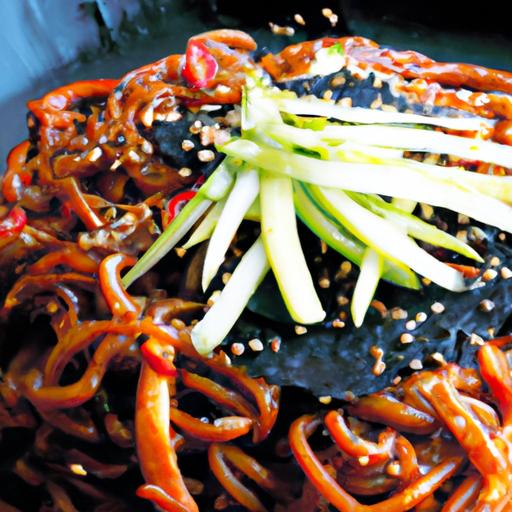
- Julienned cucumber and sesame seeds (for garnish)
Instructions
- Prepare the noodles: boil fresh noodles in salted water until al dente, about 3-4 minutes. Drain and rinse under cold water to stop cooking and set aside.
- sauté pork and aromatics: Heat vegetable oil in a large pan over medium heat. Add diced pork belly and cook until lightly browned, about 5 minutes.Add minced garlic and chopped onions; sauté until translucent and fragrant.
- Incorporate black bean paste: Lower heat and add black bean paste (chunjang) to the pork mixture. Stir constantly to prevent burning; cook for 3 minutes to bring out the deep roasted flavors.
- Add vegetables and seasoning: Toss in the diced potato, zucchini, and cabbage. Stir well to coat in the sauce.
- Simmer with liquid: Pour in 2 cups of water or stock and add sugar. Bring to a gentle boil, then reduce heat and simmer until vegetables are tender, about 15 minutes.
- Thicken the sauce: Slowly add the cornstarch slurry while stirring continuously until the sauce thickens to a glossy, velvety texture.
- Final touches: Drizzle sesame oil for a fragrant finish. Adjust seasoning with a little salt or more sugar, if necessary.
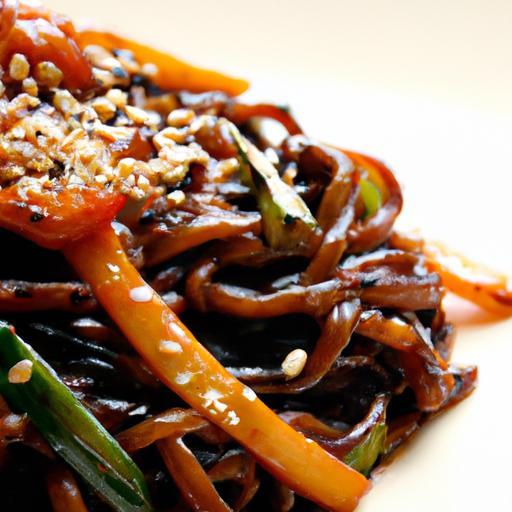
- Assemble the dish: Place the cooked noodles in bowls and generously ladle the steaming black bean sauce over the top.
- Garnish beautifully: Top with fresh julienned cucumber and sprinkle with toasted sesame seeds to add a refreshing crunch and nutty aroma.
Tips for Success
- Black bean paste depth: Toasting the paste lightly in oil brings out its intense flavor and reduces bitterness-don’t skip this step!
- Vegetable variations: Feel free to add mushrooms or carrots for extra texture and sweetness.
- Noodle choice: Using freshly made chewy wheat noodles makes a noticeable difference. If unavailable, thick dried noodles like udon or spaghetti can work as substitutes.
- Saucing mastery: The sauce should be thick enough to cling to the noodles without being gloopy.Adjust cornstarch slurry quantity as needed.
- meal prep: Sauce can be made a day ahead and gently reheated; store noodles separately to prevent sogginess.
Serving Suggestions
Serve jajangmyeon piping hot with a chilled side of kimchi or pickled radish for contrast. Complement with a simple cucumber salad for freshness. For an indulgent twist, offer a boiled egg or seafood additions like shrimp to elevate the experience.A chilled barley tea or light Korean lager pairs beautifully for a full meal sensation.

| Nutrient | Per Serving |
|---|---|
| Calories | 520 kcal |
| Protein | 22g |
| Carbohydrates | 65g |
| Fat | 16g |
For those intrigued by the rich cross-cultural history embedded in every bite, explore our complete guide to Korean noodle dishes. Learn more about the origins of fermented bean pastes and their uses through this britannica article on black bean sauce, a valuable resource explaining black bean sauce varieties around the world.
Q&A
Q&A: Jajangmyeon Unveiled – The Rich Story Behind Black Bean Noodles
Q1: What is jajangmyeon?
A1: Jajangmyeon, often called black bean noodles, is a beloved korean-Chinese dish featuring chewy wheat noodles smothered in a thick, savory black bean paste sauce mixed with diced pork and vegetables. It’s comfort food that tells a story in every bite-rich,hearty,and deeply satisfying.Q2: Where did Jajangmyeon originate?
A2: though quintessentially Korean today, Jajangmyeon traces its roots to Chinese immigrant communities in korea, especially the Shandong province’s Zhajiangmian. When Chinese chefs settled in Korea in the early 20th century, they adapted their traditional wheat noodles and black soybean paste sauce to local tastes, giving birth to what we now know as jajangmyeon.
Q3: Why is the sauce black? What gives it that signature deep color?
A3: The iconic blackness comes from chunjang, a fermented black soybean paste that’s lightly roasted to develop its unique bittersweet and smoky aroma. When stir-fried with pork fat and vegetables, it transforms into a luscious sauce with a glossy, almost hypnotic black sheen.
Q4: How has Jajangmyeon integrated into Korean culture?
A4: beyond a simple dish, Jajangmyeon is woven into the fabric of Korean everyday life. It’s the unofficial “breakup meal” food, a popular late-night order, and a staple on casual dates. It’s even celebrated on April 14th, known as black Day, when singles gather to commiserate their solo status by indulging in bowls of Jajangmyeon.
Q5: Are there variations of Jajangmyeon?
A5: Absolutely! regional twists abound-from adding seafood like squid and shrimp, to mixing in spicy elements or pairing the black bean sauce with crispy noodles. Some modern chefs reinvent it gourmet-style with braised meats or fusion touches,but the soul of Jajangmyeon remains its hearty black bean sauce atop tender noodles.
Q6: What makes Jajangmyeon so comforting?
A6: it’s the perfect marriage of textures and flavors-the silky noodles soaking up the rich,umami-packed sauce,balanced by the crunch of diced onions and cucumbers. It’s warm, filling, and nostalgic-a dish that feels like a hug from home no matter where you are in the world.
Q7: can I make authentic Jajangmyeon at home?
A7: Yes! The key lies in sourcing good quality chunjang paste and cooking the sauce slowly to bring out all its deep, roasted flavors. With fresh pork, vegetables, and wheat noodles, you can recreate the magic. just remember: good jajangmyeon requires patience, love, and perhaps, a little bit of midnight hunger.
Q8: Why should food lovers explore Jajangmyeon?
A8: Because it’s more than a meal-it’s a culinary journey through cultural fusion, history, and comfort.Jajangmyeon is a symbol of adaptation and community, wrapped in a black bean cloak that invites everyone in for a flavorful story steeped in tradition and taste. if noodles had a soul, this would be it.
Key Takeaways
As the savory aroma of jajangmyeon lingers in the air, so too does the rich tapestry of history and culture woven into every bite. From its humble beginnings bridging Chinese culinary traditions and Korean innovation, to becoming a beloved comfort food that tells stories of adaptation and community, black bean noodles offer more than just flavor-they offer a delicious glimpse into cultural connection and evolution.So the next time you twirl those glossy, dark noodles around your chopsticks, remember: you’re savoring a dish steeped in tradition, resilience, and the joyful fusion of two worlds on a single plate.