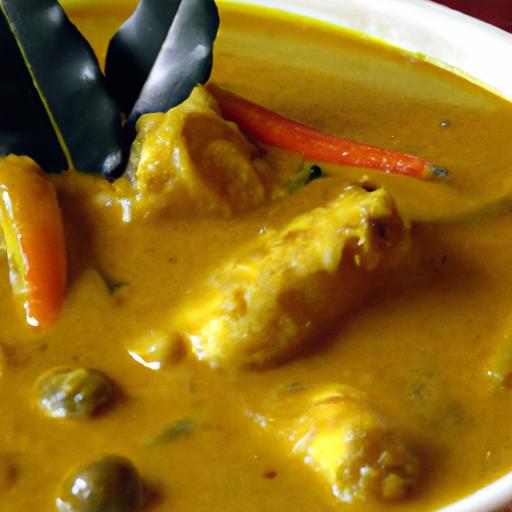

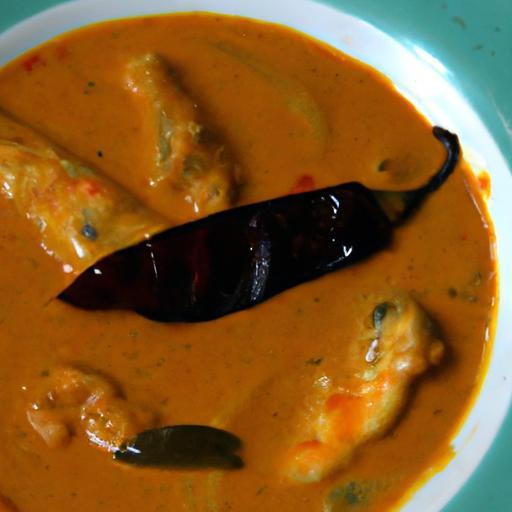
Nestled along the sun-kissed shores of India’s southwestern coast, Kerala is a land where culinary heritage flows as freely as the turquoise waves that kiss its beaches. Among its treasure trove of flavors, one dish stands out as a true emblem of coastal tradition: Kerala meen Curry. This authentic fish curry, simmered lovingly in a rich coconut gravy, is more than just a meal-it’s a vibrant celebration of the region’s sea-kissed bounty and aromatic spices.In this article, we delve into the heart of Kerala Meen Curry, exploring its origins, the art of balancing bold flavors, and the secrets that make this fish curry a beloved staple on dining tables across kerala and beyond. Prepare to embark on a sensory journey where tangy, spicy, and creamy notes converge in a harmonious feast that captures the very essence of Kerala’s culinary soul.
Kerala Meen Curry is more than just a dish; it’s a flavorful journey rooted deeply in the coastal traditions of Kerala, where fresh fish and aromatic spices come together in a silky coconut gravy that sings of the region’s culinary heritage.This authentic fish curry creates a perfect harmony of tangy,spicy,and creamy notes,making it a quintessential comfort food for those seeking an exotic yet approachable taste of South Indian cuisine.
Prep and Cook Time
- Readiness: 20 minutes
- Cooking: 30 minutes
- total Time: 50 minutes
Yield
Serves 4 generous portions
difficulty level
Medium – Perfect for home cooks familiar with Indian spices but approachable enough for beginners eager to explore Kerala cuisine.
Ingredients
- 500g fresh fish fillets (Kingfish,Seer fish,or Mackerel preferred),cut into medium pieces
- 1 ½ cups thick coconut milk,freshly grated or canned (preferably thick)
- 1 medium onion,finely sliced
- 2 green chilies,slit lengthwise
- 2 tablespoons coconut oil (or mustard oil for authentic flavor)
- 1 teaspoon mustard seeds
- 1 teaspoon fenugreek seeds
- 1 tablespoon ginger-garlic paste
- 2 teaspoons red chili powder (adjust to taste)
- 1 teaspoon turmeric powder
- 2 teaspoons coriander powder
- 1 tablespoon tamarind paste (or 2 tbsp tamarind soaked in warm water,strained)
- 1 sprig curry leaves
- Salt to taste
Instructions
- Prepare the fish: Rinse the fish pieces gently under cold water and pat dry.Sprinkle with a pinch of salt and turmeric powder. Set aside.
- Cook the tamarind extract: If using soaked tamarind, set this aside for later use; otherwise have tamarind paste ready.
- In a heavy-bottomed pan, heat the coconut oil over medium flame.Add mustard seeds and allow them to crackle.Then add fenugreek seeds and sauté for 30 seconds until fragrant.
- Add sliced onions, green chilies, and curry leaves. Cook until onions become translucent and slightly golden,about 5-7 minutes.
- Stir in ginger-garlic paste, and sauté for 2 minutes until the raw aroma disappears.
- Add red chili powder, coriander powder, and turmeric powder. mix well and sauté the spices for another 2 minutes, stirring constantly to prevent burning.
- Pour in 1 cup of water and bring the mixture to a gentle boil. Add tamarind extract or paste and salt to taste. Simmer the tangy-spiced broth for 5 minutes to develop depth.
- Lower the heat to medium-low and carefully add the fish pieces. Cover the pan and cook for 10 minutes or until fish is tender and cooked through, flipping once gently if needed.
- Reduce heat to low and slowly stir in the thick coconut milk. simmer gently (do not boil) for 5 more minutes, allowing the flavors to marry in the creamy gravy.
- Adjust seasoning if required. Remove from heat and let it stand for a few minutes before serving.
Chef’s Notes
- Choose firm, fresh fish: Kingfish, Seer fish, or Mackerel are best for this recipe.Their firm texture holds well in the curry without falling apart.
- Toast your spices: For enhanced aroma, lightly dry-roast coriander seeds and fenugreek before grinding or using whole.
- control the heat: Adjust chili powder and green chilies according to your spice tolerance to balance heat and flavor.
- Fresh coconut milk: Using freshly grated coconut milk significantly enriches the taste and authenticity.
- Make ahead: Prepare the curry a day in advance; flavors deepen exquisitely overnight when refrigerated.
- Handling coconut milk: Add coconut milk at the end on low heat to avoid curdling and maintain creamy texture.
serving Suggestions to Elevate Your Kerala Meen curry Experience
Serve this luscious dish steaming hot alongside fragrant steamed matta rice (red rice) or fluffy basmati for a soulful meal. Adding a wedge of fresh lime and a sprinkle of chopped coriander leaves as garnish infuses brightness. Complete the feast with a side of crunchy appam or porotta to mop up every drop of the rich coconut gravy.
For a customary touch, pair with Kerala pachadi, a cooling yogurt-based side, or a fresh cucumber salad to balance the spicy warmth of the curry.
Don’t forget a glass of refreshing fresh coconut water to complement this coastal delight.
nutritional Facts (per serving)
| Calories | Protein | Carbohydrates | Fat |
|---|---|---|---|
| 310 kcal | 35 g | 8 g | 15 g |

Q&A
Q&A: kerala Meen Curry – Authentic Fish Curry in Coconut Gravy Delight
Q1: What is Kerala Meen Curry?
A1: kerala Meen Curry is a traditional fish curry from the coastal state of Kerala, India. It’s a vibrant, tangy, and spicy dish where fresh fish is simmered in a rich coconut gravy infused with mustard seeds, curry leaves, tamarind, and an array of flavorful spices.This curry beautifully captures the essence of Kerala’s culinary heritage.
Q2: What makes Kerala Meen Curry unique compared to other fish curries?
A2: The signature element of Kerala Meen Curry lies in its luscious coconut milk base combined with tamarind’s tang and a careful balance of spices like coriander, turmeric, and red chili powder. Unlike many fish curries that rely on tomatoes or cream, Kerala Meen Curry uses fresh grated coconut and a delicate tempering of mustard seeds and curry leaves, imparting a distinct, aromatic taste that’s both hearty and fresh.
Q3: which type of fish works best for this curry?
A3: Traditionally, firm-fleshed, mildly flavored fish such as kingfish (seer fish), pomfret, or sardines are preferred because they hold their shape well during cooking and absorb the robust flavors of the gravy.However, local, fresh catch is always the best choice to maintain authenticity and freshness.
Q4: Is Kerala Meen Curry spicy?
A4: Yes,but the heat level can be adjusted. The curry uses red chili powder and green chilies, which provide a moderate spice kick characteristic of Kerala cuisine.Though, the creamy coconut gravy tempers the heat, delivering a balanced flavor-fiery yet soothing on the palate.Q5: What are the key ingredients needed to prepare this curry?
A5: The essentials include fresh fish, grated coconut (or coconut milk), tamarind pulp, mustard seeds, curry leaves, turmeric powder, red chili powder, coriander powder, green chilies, ginger, garlic, and salt. Fresh coconut or pure coconut milk is the cornerstone ingredient that gives this curry its luscious texture and tropical aroma.
Q6: How is the tamarind used in Kerala Meen Curry?
A6: Tamarind adds a subtle tanginess that brightens and balances the rich coconut gravy. typically, tamarind pulp or juice is soaked and extracted before adding to the curry. Its sour notes cut through the spices and mild fish flavors, creating a harmonious interplay of tastes.
Q7: What makes coconut gravy central to Kerala cuisine?
A7: Kerala’s tropical climate yields abundant coconut palms, making coconut integral to the region’s food culture. Coconut gravy provides a creamy, mildly sweet foundation that enhances spices without overpowering the main ingredients. It is versatile, nutritious, and enhances the umami flavor of fish and vegetables alike.
Q8: Can Kerala Meen Curry be made without coconut milk?
A8: While it’s possible to substitute coconut milk with other bases, the authentic Kerala Meen Curry relies heavily on fresh coconut or coconut milk for its signature taste and texture. Omitting coconut milk would change the flavor profile significantly. Dry roasted and ground fresh coconut paste can sometimes be used as an choice.
Q9: What is the best way to serve Kerala Meen Curry?
A9: Traditionally, Kerala Meen Curry is served piping hot alongside steamed white rice or red rice. The creamy, spicy curry complements the simplicity and softness of rice, making every bite a comforting and flavorful experience. It is indeed frequently enough accompanied by side dishes like thoran (coconut vegetable stir-fry) or appam (rice pancakes).
Q10: Are there any health benefits associated with Kerala Meen Curry?
A10: Absolutely! This dish is rich in protein from the fish, healthy fats from coconut, and antioxidants from spices like turmeric and ginger.Coconut milk provides lauric acid, which supports immunity, while tamarind offers digestive benefits. when prepared with fresh ingredients, Kerala Meen Curry is a wholesome meal that nourishes both body and soul.
Whether you’re a seasoned foodie or a curious beginner, Kerala Meen Curry offers a delightful journey into kerala’s coastal flavors-a harmonious ocean of spice, tang, and creamy coconut bliss. Perfect for those looking to savor authentic South Indian culinary magic!
The Way Forward
As the last spoonful of Kerala Meen Curry graces your palate,you’re not just savoring a dish-you’re experiencing a vibrant tapestry of Kerala’s coastal heritage. this authentic fish curry, enriched by the creamy embrace of coconut gravy and a symphony of spices, is more than a meal; it’s a culinary journey that tells tales of sunlit shores, bustling spice markets, and age-old traditions. Whether enjoyed with steaming rice or crusty bread, Kerala Meen Curry invites you to dive deep into the flavors of God’s own Country, leaving you with a tasty memory that lingers far beyond the table. Embrace this coastal delight, and let every bite transport you to the heart of Kerala’s rich gastronomic legacy.