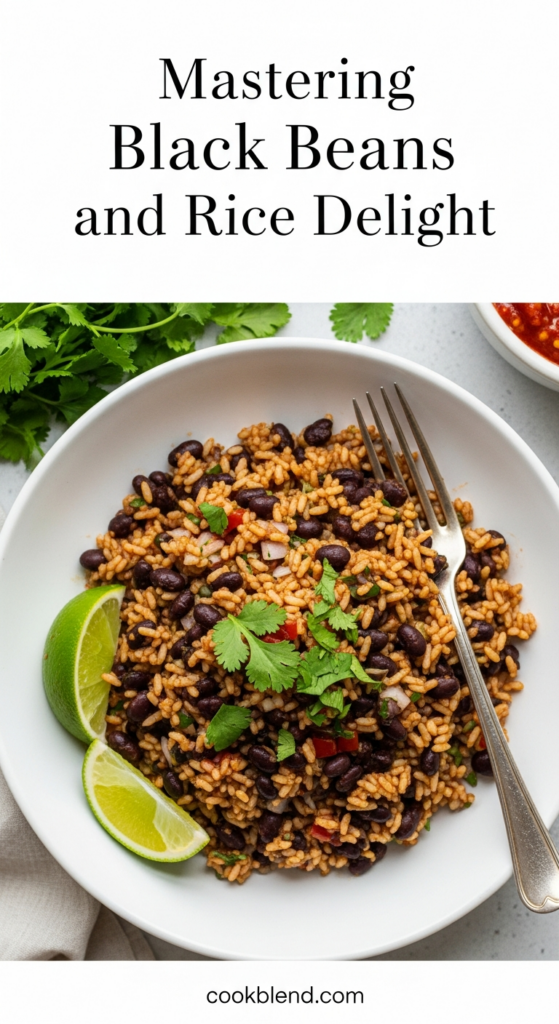

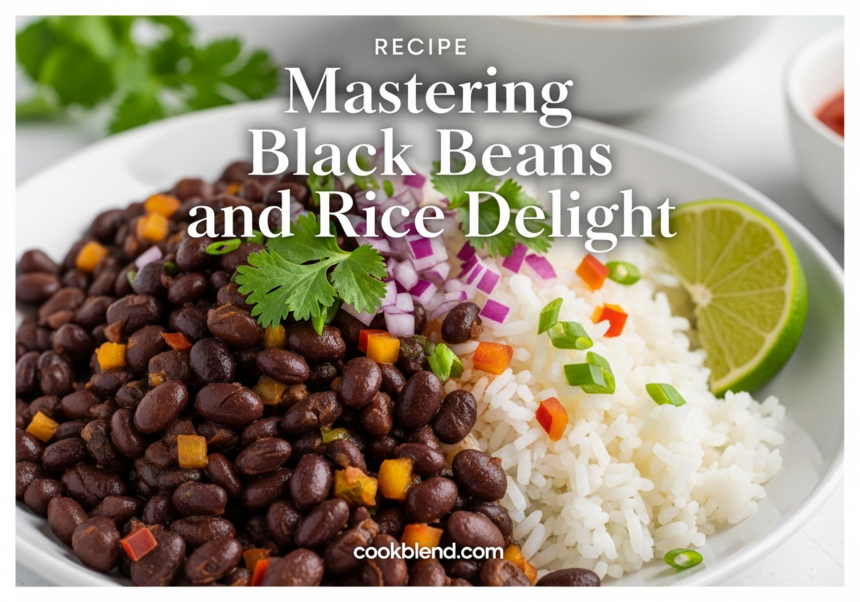
Mastering Black Beans and Rice Delight
Simple, comforting, and deeply satisfying, Mastering Black Beans and Rice Delight is all about transforming humble ingredients into a flavorful, nourishing dish. This classic pairing brings together tender black beans and perfectly cooked rice, creating a balance of texture, aroma, and wholesome goodness that has stood the test of time. Learning the techniques behind Mastering Black Beans and Rice Delight allows you to elevate an everyday meal into something truly memorable.
What makes Mastering Black Beans and Rice Delight so special is its versatility. Infused with aromatic spices, herbs, and slow-simmered flavors, this dish can be enjoyed as a hearty main or a satisfying side. From weeknight dinners to family gatherings, Mastering Black Beans and Rice Delight delivers comfort, nutrition, and bold taste in every bite.
By focusing on proper seasoning, cooking methods, and ingredient balance, Mastering Black Beans and Rice Delight becomes a celebration of simplicity done right. Whether inspired by Caribbean, Latin, or home-style cooking traditions, this dish proves that mastering the basics can lead to extraordinary results.
Prep and Cook Time
- Readiness: 20 minutes
- Cooking: 1 hour 15 minutes
- Total Time: 1 hour 35 minutes
Yield
Serves 6 generously
Difficulty Level
Medium - Perfect for confident home cooks ready to explore authentic flavors
Ingredients
- 1/4 cup olive oil
- 1 large green bell pepper, finely diced
- 1 medium yellow onion, finely chopped
- 6 cloves garlic, minced
- 1 bunch fresh cilantro, chopped (about 1/2 cup packed)
- 2 teaspoons ground cumin
- 1 teaspoon dried oregano
- 1/4 teaspoon smoked paprika
- 2 tablespoons white vinegar or sour orange juice
- 1 teaspoon sea salt
- Freshly ground black pepper, to taste
- 1 bay leaf
- 2 cups dried black beans, rinsed and soaked overnight
- 6 cups water or low-sodium vegetable broth
- 1 small ham hock or smoked pork shoulder (optional for depth)
Instructions
- Prepare the Sofrito: Heat olive oil in a heavy-bottomed pot over medium heat. Add diced green bell pepper and chopped onion.sauté until translucent and softened, about 5-7 minutes, stirring occasionally to prevent browning.
- Add the garlic, cumin, oregano, and smoked paprika. Stir vigorously for 1-2 minutes until fragrant – this step unlocks the essential oils of the spices.
- Mix in the chopped cilantro, bay leaf, vinegar, salt, and pepper. Allow the sofrito to cook gently for another 5 minutes, stirring now and then to meld flavors.
- Add soaked and drained black beans to the pot. Pour in the water or broth, and if using, nestle in the ham hock or smoked pork shoulder for authentic richness.
- Bring to a boil, then reduce heat to low and cover partially, simmering gently for 1 to 1½ hours or until beans are tender and creamy.
- Check and stir occasionally, adding water if necessary to maintain a stew-like consistency.
- Remove ham hock or pork, shred the meat, and return to the beans, stirring to incorporate.
- Adjust seasoning with salt and pepper, and simmer uncovered for an additional 10 minutes if you desire thicker beans.
Secrets to Creamy black Beans: Achieving Authentic Texture and Depth
Achieving the perfect creamy texture without losing the integrity of each bean is a delicate balance. Slow simmering allows the black beans’ natural starches to melt into the broth,creating a luscious,hearty sauce.Using a ham hock or smoked meat adds undertones of savory depth, but for a vegetarian option, a splash of soy sauce or a cube of vegetable bouillon can replicate the complexity.
For even more creaminess, gently mash some beans against the side of the pot during the final simmer. this technique deepens the mouthfeel while maintaining stunning presentation.Remember,patience is the key here – rushing the cook time risks tough beans or a thin broth.
Pairing Rice to Perfection: Tips for Fluffy and Flavorful Cuban Rice
No Cuban black bean dish is complete without the golden companion of perfectly cooked rice. Opt for long-grain white rice, rinsed thoroughly under cold water to wash away excess starch that causes clumping. Use a 2:1 water-to-rice ratio, seasoning the water generously with salt and a dash of olive oil or butter for shine.
bring the water to a boil, add the rice, stir once, then cover tightly and reduce to the lowest simmer immediately.Resist lifting the lid during cooking – this steam trap is essential to fluffiness. After 18 minutes, remove the pot from heat and let stand, covered, for another 5 minutes before fluffing gently with a fork.
for an extra layer of Cuban flair, cook the rice with a crushed garlic clove or a bay leaf tucked in the water, infusing subtle aroma without overpowering the beans.
Chef’s Notes: Tips for Success
- Make-ahead: Sofrito can be prepared in advance and refrigerated up to a week or frozen in ice cube trays for swift use.
- Bean soak: Though soaking softens black beans and reduces cooking time, you can skip this with longer simmering – just expect extended cook time.
- Vegetarian variation: Omit ham hock and use smoked paprika and a splash of liquid smoke for a similar smoky flavor.
- Consistency control: For thicker beans,cook uncovered at the end or mash a portion,but for soupier beans,add broth gradually.
- Herb substitutes: If fresh cilantro is unavailable,use parsley but note the subtle difference in flavor.
Serving Suggestions
Dish out the velvety black beans beside a mound of fluffy Cuban rice, allowing the contrasting textures and complementary flavors to shine. Garnish with fresh cilantro leaves, thinly sliced scallions, or a wedge of lime for a bright pop. Serve alongside warm tostones or sweet fried plantains for authentic contrast. A drizzle of extra virgin olive oil or a small spoon of guava paste on the side adds an unexpected but delightful Cuban twist.

| Nutrient | Per Serving |
|---|---|
| Calories | 350 kcal |
| Protein | 15 g |
| Carbohydrates | 55 g |
| Fat | 7 g |
For further inspiration on customary Cuban staples, check out our Classic Cuban Roast Pork. To deepen your culinary knowledge on legumes and nutrition, visit ChooseMyPlate – Beans and Legumes.
Q&A
Q&A: The Soul of Cuba – Mastering Black Beans & Rice Delight
Q: Why is black beans and rice considered the soul of Cuban cuisine?
A: Black beans and rice, or “Moros y Cristianos,” is more than just a dish in Cuba-it’s a cultural emblem. The harmonious blend of black beans and white rice symbolizes the unity of African and Spanish influences, which form the backbone of Cuban heritage.the dish carries stories of resilience, community gatherings, and the island’s rich history, making it the culinary heartbeat of Cuba.
Q: What makes Cuban black beans different from other black bean recipes?
A: Cuban black beans are slow-cooked with a fragrant medley of garlic, bell peppers, cumin, and bay leaves, then simmered with a splash of vinegar and a hint of sweetness to create a uniquely tangy and robust flavor. The key is patience-allowing the beans to meld with the sofrito (a sautéed blend of onions, peppers, and garlic) until every bean absorbs a soulful depth unlike any other black bean preparation.
Q: Can you describe the secret to perfect Cuban rice?
A: Cuban rice is fluffy, tender, and respectfully simple-nothing gets in the way of its pure, starchy comfort. The secret lies in the rice-to-water ratio and rinsing the grains beforehand to remove excess starch. Cooking it over gentle heat with a pinch of salt and a drizzle of olive oil ensures each grain stays separate yet perfectly tender,providing the ideal canvas to soak up the black bean juices.
Q: What is the best way to serve black beans and rice to truly capture Cuban spirit?
A: To capture the true spirit of the dish, serve it warm with a generous spoonful of beans atop the rice, garnished with fresh cilantro and a wedge of lime to brighten the flavors. traditionally, it accompanies roast pork, fried plantains, or a simple green salad.Sharing it with family or friends, amidst lively conversation and Cuban rhythms, completes the immersive soul food experience.
Q: Are there any modern twists or variations to this traditional Cuban dish?
A: Absolutely! While the classic remains beloved, chefs today experiment with adding smoky chorizo, coconut milk for creaminess, or spicy ají peppers for a kick. Vegan versions may incorporate smoked paprika and nutritional yeast for umami depth. Regardless of the twist, the essence remains-simple, soulful, and soulful-all roads lead back to the legendary harmony of beans and rice.
Q: What cultural significance does this dish hold beyond the kitchen?
A: Black beans and rice serve as a culinary dialog between Cuba’s past and present. It’s a symbol of survival, blending indigenous, African, and Spanish influences that shaped the nation.The dish is a daily reminder of shared heritage and pride, frequently enough gracing holiday tables and community gatherings, weaving connection through every savory bite.
With each simmered pot of black beans and each fluffy serving of rice, you’re not just tasting food-you’re tasting the soul of Cuba itself.
The Way Forward
As we close the pot on this flavorful journey, it’s clear that Cuban black beans and rice are far more than just a staple dish-they are a vibrant reflection of Cuba’s soul. Each grain of rice and tender bean carries stories of heritage, resilience, and community, simmered slowly with tradition and love.Mastering this timeless delight isn’t merely about technique; it’s about embracing a rich culture that turns simple ingredients into a celebration of life. So next time you savor a spoonful, remember you’re tasting a piece of Cuba itself-a dish that invites you not only to eat but to connect, share, and savor the very essence of its people.