
There’s a certain magic in simplicity – especially when it comes to food. Few dishes embody this better than Spaghetti Aglio e Olio, the humble Italian classic that transforms just a handful of ingredients into a symphony of flavor. But before you dive into mastering the recipe, there’s one small challenge that frequently enough trips up many: the pronunciation. In this article, we’ll unravel the melodic sounds behind “Aglio e Olio,” offering you not only tips to say it confidently but also insights that deepen your appreciation for this timeless dish. Get ready to spice up your kitchen vocabulary as you master both the taste and the tongue-twister of Spaghetti Aglio e Olio!
Mastering Spaghetti Aglio e Olio: Pronunciation Guide Tips
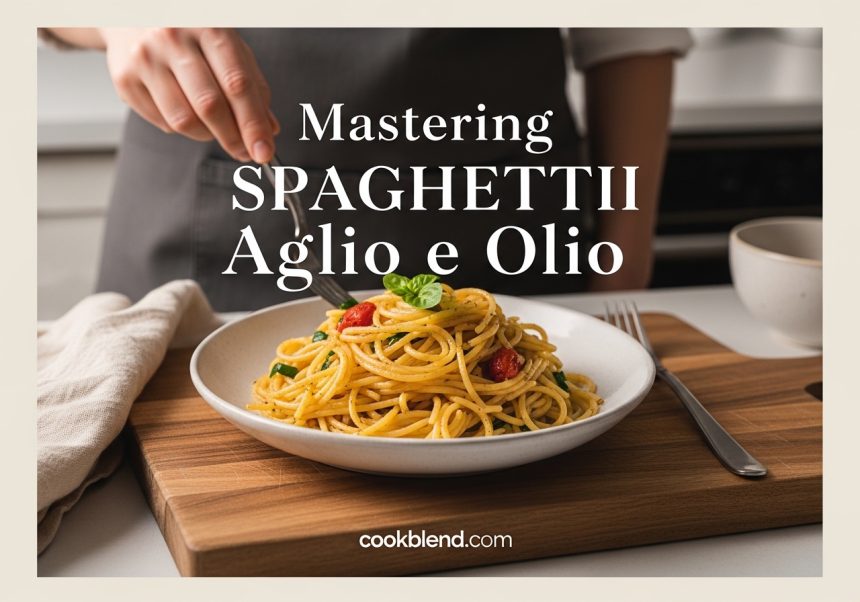
Mastering Spaghetti Aglio e Olio starts not only with crafting the perfect plate but also embracing its authentic Italian roots, including the joyous rhythm of its name. This classic Italian pasta dish hails from Naples, where simplicity meets bold flavor through just a few humble ingredients: garlic, olive oil, chili flakes, and parsley tossed with al dente spaghetti. As a longtime lover of Italian cuisine, I fondly recall my first experience pronouncing this beloved dish-discovering the right melody of sounds transformed my culinary journey into a more immersive, heartfelt encounter with Italian culture.
Prep and Cook Time
- Planning: 10 minutes
- Cooking: 12 minutes
- Total Time: 22 minutes
Yield
Serves 4 hungry diners
Difficulty Level
Easy – Perfect for weeknight meals or when you want to impress with minimal fuss
Ingredients
- 400g (14 oz) spaghetti
- 6 cloves garlic, thinly sliced
- ½ cup extra-virgin olive oil
- 1 tsp red chili flakes (adjust to taste)
- ¼ cup fresh flat-leaf parsley, finely chopped
- Salt for pasta water
- Freshly ground black pepper to taste
- Grated Parmigiano-Reggiano (optional, for garnish)
Step-by-Step Instructions
- Bring a large pot of well-salted water to a vigorous boil.Add the spaghetti and cook until al dente, typically around 8-10 minutes. Reserve 1 cup of pasta water before draining.
- While pasta cooks,heat the olive oil in a large skillet over medium heat. Add the thinly sliced garlic and sauté gently, stirring occasionally, until golden brown and fragrant – roughly 5 minutes. Be vigilant; burnt garlic can overpower the dish.
- Stir in the red chili flakes,letting them sizzle briefly for about 30 seconds to infuse the oil with their heat.
- Drain the spaghetti and add directly to the skillet with the garlic-olive oil mixture. Toss thoroughly to coat each strand.
- If the mixture seems dry, pour in a splash of the reserved pasta water to create a silky sauce that clings beautifully to the noodles.
- Remove from heat, then fold in the fresh parsley. Season with salt and freshly ground black pepper to elevate all flavors.
- Serve immediatly, garnished with an optional sprinkle of Parmigiano-reggiano for an indulgent touch.
Chef’s Notes: Tips for Success
- Garlic: Slice thinly rather than crushing to avoid bitterness and achieve that golden, buttery texture.
- Olive Oil Quality: Use high-quality extra-virgin olive oil.It’s the soul of the dish and heightens the aroma.
- Chili Flakes: Adjust the spice level gradually. Customary versions aren’t fiery hot but offer a gentle warmth.
- Make Ahead: Prepare the garlic-infused oil in advance but keep pasta separate for best texture.
- Substitutions: Use gluten-free pasta if preferred; however, timing adjustments might be necessary.
Serving Suggestions
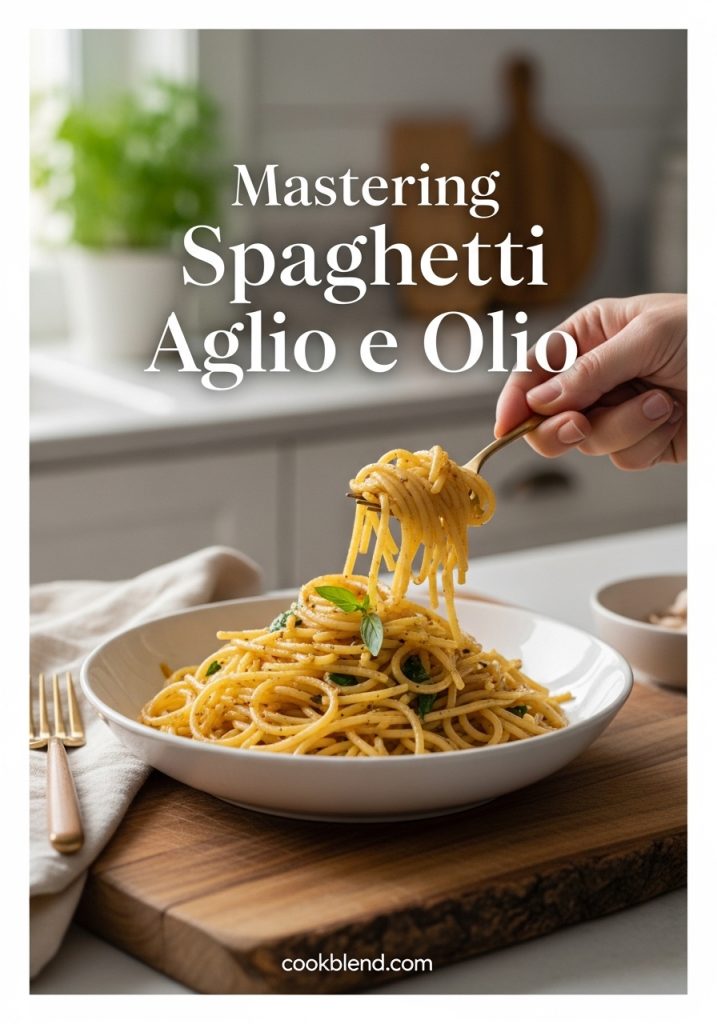
Present this golden-hued masterpiece on a rustic white plate or deep bowl to highlight its simplicity. Garnish with a sprig of fresh parsley and maybe a twist of lemon zest for added brightness. Pair with a crisp dry white wine like Pinot Grigio,and a light green salad dressed in lemon vinaigrette to complete the experience.

Understanding and Perfecting the Pronunciation
Mastering Spaghetti Aglio e Olio means appreciating the fluid Italian accent embedded in its name. “spaghetti” flows smoothly with the soft “g” as in “get” and a clear emphasis on the second syllable: spa-ˈɡhe-tti. The phrase “Aglio e Olio” literally translates to “garlic and oil,” pronounced as [ˈaʎʎo e ˈɔʎʎo], where the double “gl” is a palatalized sound – a melodic glide created by pressing the middle of your tongue to the roof of your mouth, almost like the English “lli” in “million.”
To master the rhythm, think of “Aglio” as two smooth beats: AHL-yoh, and ”Olio” follows with OH-lyoh. A common mistake is overemphasizing the “gl” as hard “g-l,” but aim for that subtle “lli” sound, lending elegance and authenticity to your spoken Italian.
Common Pronunciation Mistakes and how to Avoid Them
- Overpronouncing the Letters: Avoid breaking “Aglio” into “Ag-lee-o.” Rather, blend it into AHL-yoh.
- Hard ‘G’ Sounds: Remember, the “gl” in Italian is soft; do not pronounce it like English “goal.”
- Dropping the ‘e’ between Aglio and Olio: The ”e” means “and” and must be spoken clearly with a gentle “eh” sound.
- Rushing: Slow down when saying the name expertly. Capture each melodic syllable to embrace the Italian sing-song flair.
By weaving these pronunciation tips into your cooking rituals, every mention of this dish becomes a mini linguistic celebration of Italian culture. Mastering Spaghetti Aglio e Olio truly is about honoring tradition-from kitchen to conversation.
| Nutrient | Per Serving |
|---|---|
| Calories | 480 kcal |
| Protein | 12 g |
| Carbohydrates | 75 g |
| Fat | 14 g |
For more inspiration on traditional Italian dishes and their cultural significance, explore our authentic Italian pasta recipes. To deepen your understanding of Italian phonetics, visit ItalianPod101’s pronunciation guide. This blend of culinary and linguistic mastery enriches every bite and word.
Q&A
Q&A: Mastering Spaghetti Aglio e Olio – Pronunciation guide & Tips
Q1: What is Spaghetti Aglio e Olio?
A1: Spaghetti Aglio e Olio is a classic Italian pasta dish whose name literally means “spaghetti with garlic and oil.” It’s a simple yet flavorful combination of spaghetti tossed in olive oil, sautéed garlic, chili flakes, and sometimes parsley – a staple in traditional Neapolitan cuisine.
Q2: How do you pronounce “Aglio e Olio”?
A2: The phrase “Aglio e Olio” is pronounced as “AH-lyoh eh OH-lyoh”. Here’s a breakdown:
- Aglio sounds like “AH-lyoh” (the ”gl” in Italian is a soft “ly” sound, almost like blending “li” together).
- e is simply “eh,” meaning “and.”
- Olio is “OH-lyoh,” with the same soft “ly” sound again.
So, say it smoothly as: AH-lyoh eh OH-lyoh.
Q3: Why is the pronunciation tricky for non-Italians?
A3: The Italian “gl” sound, represented by the letters “gli,” doesn’t correspond to any English sound. It’s softer, with a subtle “ly” glide that’s foreign to many English speakers. Also, the vowel emphasis and rhythm differ from English, making the phrase sound more melodic once properly learned.
Q4: Any tips to get the pronunciation right?
A4: absolutely! Think of the “gl” like a gentle “lee” sound without fully pronouncing the “i.” Try saying “million” quickly but without the “mi”-just the “llion.” Next,separate the phrase slowly: “AH-lyoh” and ”OH-lyoh.” practice alternating the two parts until it feels smooth and natural. Listening to native speakers or Italian cooking shows can also help your ear catch the flow.
Q5: does mastering the pronunciation enhance the cooking experience?
A5: Without a doubt! language and culture are intertwined, and saying “Aglio e Olio” like a native can deepen your appreciation for the dish’s roots.It invites you closer into the culinary tradition, making the simple act of cooking feel like a vibrant Italian celebration.
Q6: Can knowing how to pronounce “Aglio e Olio” impress your dinner guests?
A6: For sure! Dropping an authentic ”AH-lyoh eh OH-lyoh” when serving your pasta instantly earns you foodie cred. It shows respect for the dish and adds a dash of cultural charm,making your meal memorable beyond just the taste.
Q7: Are there other Italian dishes with tricky pronunciations that I should know?
A7: Certainly! Italian cuisine treasures many names that roll off the tongue with unique sounds-like “Bruschetta” (BROO-sket-ta), “Ravioli” (rah-vee-OH-lee), and “Frittata” (fri-TAH-ta). Each has its own melodic rhythm waiting for you to master.
Q8: Where can I listen to authentic pronunciations?
A8: Great question! Check out Italian cooking videos on YouTube, language apps like Forvo or Duolingo, and even Italian radio or podcasts.Hearing native speakers is the best way to train your ear and tongue simultaneously.
Mastering the pronunciation of Spaghetti Aglio e Olio is more than just a linguistic feat – it’s a flavorful step into the heart of italian culinary artistry. Say it loud, say it proud, and then enjoy the delicious fruits of your labor! Buon appetito!
Concluding Remarks
As you twirl your fork into that fragrant plate of spaghetti Aglio e Olio, remember that mastering its name is just the beginning of savoring this timeless Italian classic. With a sprinkle of confidence in pronunciation and a dash of cultural appreciation,you’re not just enjoying a meal-you’re embracing a story,a tradition,and a delicious piece of Italian heritage. So next time you order or share this simple yet elegant dish, let your newfound fluency add an extra layer of flavor to the experience. Buon appetito-and may your culinary journey be as smooth and satisfying as a perfectly garlicky swirl of aglio e olio!