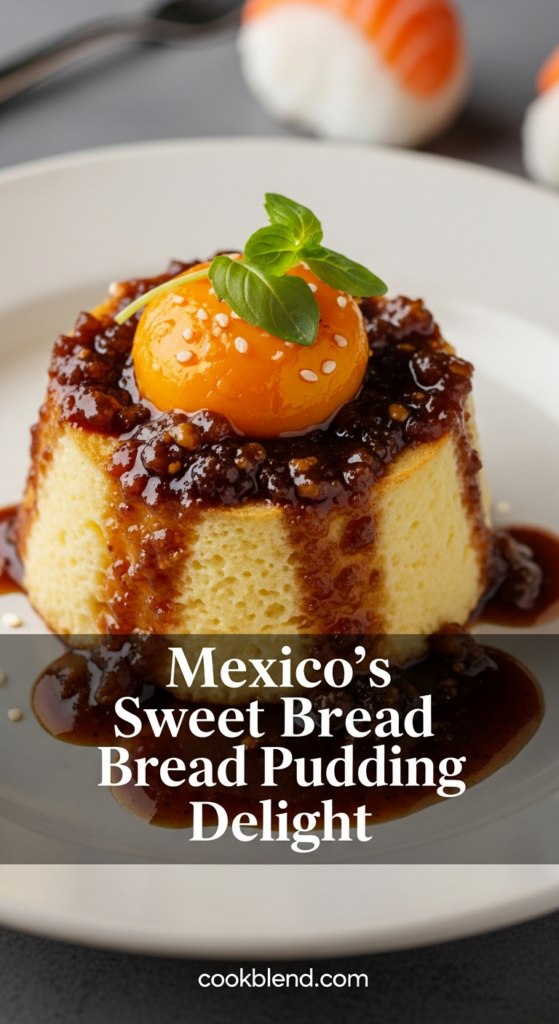

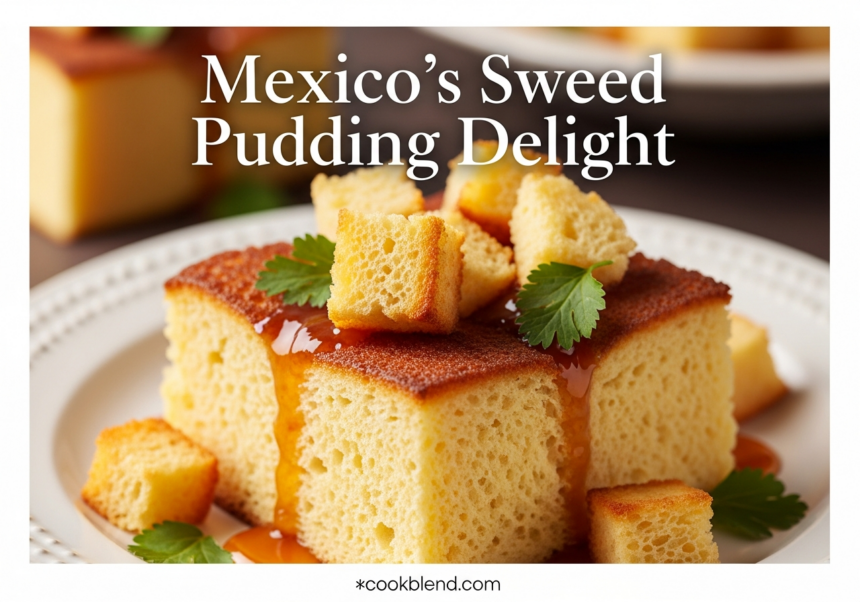
Beneath the vibrant tapestry of Mexican cuisine lies a dessert as rich in history as it is in flavor: Capirotada. Often enjoyed during the Lenten season, this beloved sweet bread pudding layers toasted bread, melted cheese, warm spices, and tender fruits to create a harmony of textures and tastes. Known today as Mexico’s Sweet Bread Pudding Delight, Capirotada is far more than a comforting dessert—it is a living story of culture, faith, and tradition passed down through generations.
Capirotada Uncovered: Mexico’s Sweet Bread Pudding Delight
Mexico’s Sweet Bread Pudding Delight reflects centuries of culinary heritage deeply rooted in Mexican history. Originating during the colonial era, Capirotada was influenced by Spanish and Moorish recipes adapted to local ingredients. Traditionally prepared and shared during Lent, this dish symbolizes faith, perseverance, and family unity, making it a meaningful part of seasonal celebrations.
Origins and Cultural Significance
The roots of Mexico’s Sweet Bread Pudding Delight trace back to 17th-century Mexico, when Spanish missionaries introduced symbolic dishes tied to religious observance. Each layer of Capirotada represents an element of the Passion of Christ, transforming this dessert into a spiritual expression as much as a culinary one. Served especially during Semana Santa, Mexico’s Sweet Bread Pudding Delight brings families together in reflection, remembrance, and shared tradition.
Key Ingredients and Their Symbolic Meaning
The enduring power of Mexico’s Sweet Bread Pudding Delight lies in its thoughtfully chosen ingredients, each carrying cultural and spiritual significance:
-
Day-old bolillo or French bread – symbolizing the wood of the cross
-
Piloncillo syrup – representing the sweetness of salvation
-
Cinnamon sticks – evoking burial spices
-
Cloves – symbolizing the nails of the crucifixion
-
Raisins and dried fruits – reflecting hope and resurrection
-
Queso fresco or panela cheese – signifying purity and suffering
-
Toasted nuts (pecans or peanuts) – grounding the dish in earthly abundance
Together, these elements make Mexico’s Sweet Bread Pudding Delight not just a dessert, but a timeless celebration of Mexican heritage, faith, and flavor.
Prep and Cook time
- Planning: 20 minutes
- Cooking: 50 minutes
- Total Time: 1 hour 10 minutes
Yield
Serves 6-8 generous portions
Difficulty Level
Medium – ideal for cooks cozy with layering and syrup preparation, but approachable with clear steps
Ingredients
- 10 cups day-old bolillo or French bread, sliced ½-inch thick
- 3 cups water
- 1 ½ cups piloncillo, grated or chopped
- 2 cinnamon sticks
- 4 whole cloves
- 1 cup golden raisins
- 1 cup toasted pecans or peanuts, roughly chopped
- 1 ½ cups queso fresco or panela cheese, sliced
- ½ cup butter, melted
- 1 cup diced dried apricots or prunes (optional)
- 1 tsp vanilla extract
- Pinch of salt
Step-by-Step Guide to Crafting the Perfect Capirotada at home
- Prepare the piloncillo syrup: In a medium saucepan, combine water, piloncillo, cinnamon sticks, cloves, and a pinch of salt.Bring to a gentle simmer over medium heat, stirring occasionally until the piloncillo dissolves completely, about 10 minutes. Remove from heat and stir in vanilla extract. Set aside.
- Toast the bread slices: preheat your oven to 350°F (175°C). Brush both sides of the bread slices lightly with melted butter. Arrange on a baking sheet and toast until golden and slightly crisp, about 10-12 minutes, flipping once halfway through. This step ensures the bread does not become soggy when soaked.
- Layering the capirotada: Butter a 9×13-inch baking dish. Begin with a layer of toasted bread,ladle a generous amount of piloncillo syrup over it,then sprinkle with raisins,dried fruits,and chopped nuts. Add a layer of queso fresco slices, then repeat these layers until all ingredients are used, finishing with a syrup-soaked bread layer topped with cheese and nuts for an appealing golden crust.
- Bake: Cover the dish with foil and bake in the preheated oven for 30 minutes. Remove the foil and bake another 15 minutes to develop a slight caramelized crust on top. The syrup will thicken, and flavors meld beautifully.
- Cool and serve: Allow the capirotada to cool at least 15 minutes before serving. This resting time lets the pudding set, creating the perfect balance of moistness and texture.
Expert Tips and Flavor Variations to Elevate Your Capirotada Experience
- For a dairy twist, substitute queso fresco with shredded mozzarella or Monterey Jack to add creaminess.
- Experiment with nuts like almonds or walnuts for added crunch and subtle flavor differences.
- Incorporate tropical dried fruits like dried pineapple or mango to brighten flavors.
- Make ahead: Capirotada tastes even better the next day-prepare it the day before and reheat gently before serving.
- If piloncillo is unavailable, dark brown sugar can be a substitute, though the deep caramel notes will be slightly less intense.
- for a boozy kick, add a splash of Mexican dark rum or brandy to the syrup.
Serving Suggestions
Serve your warm capirotada in rustic bowls, garnished with fresh mint leaves or a dollop of Mexican crema or whipped cream to complement the rich, spiced sweetness. Pair with a cup of strong Mexican coffee or a spiced hot chocolate for a truly immersive cultural experience. This dessert shines during festive gatherings, especially on cool evenings during the Lenten season or as a comforting treat any time you crave authentic Mexican flavors.

| nutrient | Amount per Serving |
|---|---|
| Calories | 280 kcal |
| Protein | 7 g |
| Carbohydrates | 42 g |
| Fat | 9 g |
To delve further into traditional Mexican desserts, check out our detailed guide on Mexican Sweet Classics. For authentic piloncillo and spices, explore Slow Food International, a great resource on preserving food culture.
Q&A
Q&A: Capirotada Uncovered – Mexico’s Sweet Bread Pudding Delight
Q1: What exactly is capirotada?
A1: Capirotada is a traditional Mexican dessert that’s essentially a sweet bread pudding with a rich history and vibrant layers of flavor. Think of it as a warm, comforting casserole of toasted bread soaked in a cinnamon-spiced syrup, layered with cheese, nuts, and dried fruit-a mosaic of textures and tastes that tell a story as old as mexico itself.Q2: Where did capirotada originate?
A2: This humble dish traces its roots back to colonial Mexico, where Spanish settlers adapted their bread puddings using local ingredients and culinary traditions. Capirotada evolved not just into a tasty treat but into a symbolic dish often enjoyed during Lent and Holy Week, serving as a flavorful reminder of faith and community.
Q3: What makes capirotada different from other bread puddings?
A3: Unlike many bread puddings that lean heavily on custard richness, capirotada stands out with its crunchy, chewy, sweet, and savory contrasts. The essential syrup, flavored with piloncillo (unrefined cane sugar), cinnamon, and cloves, soaks into bolillo or French bread slices. Then comes the unexpected twist: salty cheese (like panela or queso fresco), nuts, and raisins add layers of complexity, balancing sweetness with savory, and softness with crunch.
Q4: When is capirotada typically enjoyed?
A4: Traditionally, capirotada is a Lent staple in Mexico, notably on Good Friday. Its ingredients and preparation echo themes of sacrifice, penance, and renewal. Though, don’t let the calendar limit you-this delicious bread pudding is perfect any time you crave a warm, nostalgic dessert with spiritual and cultural roots.
Q5: Can capirotada be adapted to modern tastes or dietary needs?
A5: Absolutely! The beauty of capirotada lies in its versatility. You can swap the bread for gluten-free options, use plant-based cheeses, or add your favorite nuts and dried fruits. Some modern versions incorporate chocolate, coconut, or even a drizzle of caramel. Whether you want to honor tradition or experiment with new flavors, capirotada invites creativity.Q6: How do you serve capirotada?
A6: Capirotada is typically served warm or at room temperature, cut into squares or scooped like a stew. It pairs beautifully with a hot cup of Mexican coffee or a spiced tea. The syrupy crumbs and savory-melty cheese make each bite a satisfying blend of memories and mouthwatering delight.
Q7: Why is capirotada considered more than just a dessert in Mexican culture?
A7: beyond its palate-pleasing qualities, capirotada is a culinary symbol rich with religious and social meaning. Each ingredient holds symbolism: bread represents the body of Christ, syrup his blood, cinnamon the wood of the cross, and cheese the Holy Shroud. Sharing capirotada is an act of communal bonding and spiritual reflection-making it dessert and devotion intertwined.
Uncover the layers of capirotada, and you savor more than just a dessert-you taste centuries of tradition, faith, and the sweet soul of Mexico.
To conclude
As the final crumbs of capirotada settle on your plate, you’re left not just with a sweet aftertaste, but with a slice of Mexico’s rich cultural tapestry. This humble bread pudding, steeped in history and symbolism, invites you to savor more than just flavors-it opens a window into centuries of tradition, faith, and community.Whether enjoyed during Lent or as an everyday treat, capirotada remains a delicious testament to the spirit of Mexican heritage, where every bite tells a story waiting to be uncovered again and again. So next time you encounter this golden, syrup-soaked delight, remember: you’re tasting a piece of mexico’s heart, lovingly baked into every crumb.