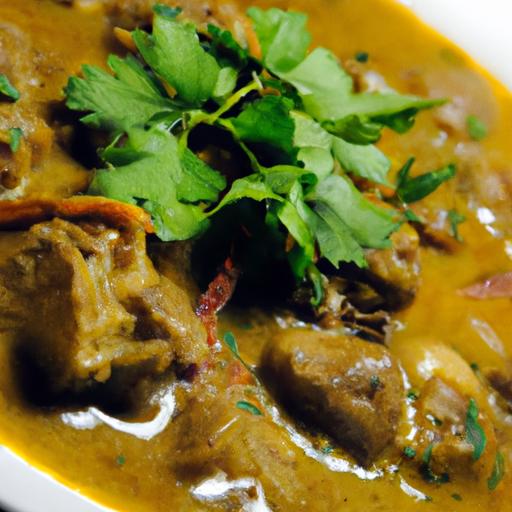

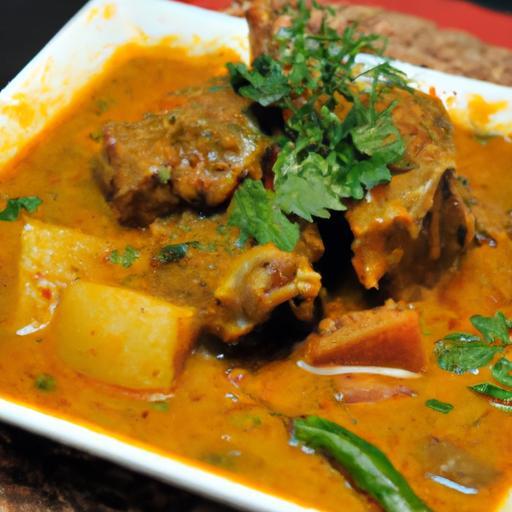
In the grand tapestry of Indian cuisine, few dishes evoke the opulence and depth of history quite like Mutton Korma. This luscious, aromatic curry is more then just a meal-it is a rich journey through the royal kitchens of the Mughal empire, where culinary artistry met luxury in every simmering pot. Infused with fragrant spices, creamy yogurt, and tender morsels of mutton, Korma tells a story of tradition, culture, and the timeless pursuit of flavor. Join us as we explore the origins, ingredients, and intricate techniques behind this regal dish, uncovering why Mutton Korma remains a cherished symbol of Mughlai grandeur on tables around the world.
Mutton Korma captivates the palate with its harmonious blend of creamy textures and aromatic spices, a quintessential highlight in royal Mughlai cuisine. This dish not only embodies centuries of culinary refinement but also tells a story of opulence,culture,and the artistry of slow-cooked flavors that delighted emperors and nobility alike. Preparing Mutton Korma invites you to experience a rich tapestry of ingredients that have been meticulously combined to create a feast fit for kings.
Origins and Historical Significance of Mutton Korma in Mughlai Cuisine
The origins of Mutton Korma trace back to the grand kitchens of the Mughal Empire, where Persian influence met Indian traditions to create intricate, velvety dishes. Mutton, tender and robust, was simmered in a delicate gravy of yogurt, cream, and an array of spices-capturing the essence of royal indulgence. This dish signaled not just sustenance but elevated dining; it was frequently enough served during celebrations, weddings, and imperial feasts. Through generations, the recipe has been lovingly preserved and adapted, maintaining its regal stature while being embraced across the Indian subcontinent.
Essential Ingredients and conventional Spices That Define the Royal Flavor
achieving the authentic mutton Korma flavor requires a precise balance of ingredients and spices that wake the senses without overpowering the mutton’s natural richness. Yogurt forms the tangy base,softened by the luxurious addition of fresh cream or khoya. Aromatic whole spices such as green cardamom, cloves, and cinnamon sticks infuse warmth, while ground spices like coriander, , and a delicate touch of nutmeg elevate the depth. The velvety texture is anchored by a golden sauté of finely sliced onions, ginger, and garlic, all essential for that signature Mughlai richness. Rose water or kewra essence are traditional finishing touches that add a floral hint of elegance.
Prep and Cook Time
- Readiness Time: 30 minutes
- Marination Time: 2-3 hours (preferably overnight)
- Cooking Time: 1.5 to 2 hours
Yield
Serves 6 to 8 people generously.
Difficulty Level
Medium – requires attention to slow-cooking and layering of flavors.
Ingredients
- 1 kg mutton (bone-in pieces for enhanced flavor)
- 1 cup thick yogurt, whisked
- 1/2 cup fresh cream or khoya, grated
- 3 large onions, thinly sliced
- 2 tbsp ginger-garlic paste
- 5 green cardamom pods
- 4 cloves
- 2 cinnamon sticks (2-inch pieces)
- 1 tsp nutmeg powder
- 1 tbsp coriander powder
- 1 tsp cumin powder
- 1/2 tsp turmeric powder
- 1 tsp red chili powder (adjust to taste)
- 1/4 cup ghee or vegetable oil
- 1/4 cup chopped fresh coriander leaves (for garnish)
- 2 tbsp rose water or kewra essence
- Salt to taste
- Water as required
Step-by-Step Guide to Crafting an Authentic and Creamy Mutton Korma
- Marinate the mutton: In a large bowl, combine the mutton pieces with whisked yogurt, half the ginger-garlic paste, a pinch of salt, and turmeric powder. Cover and refrigerate for 2-3 hours or overnight for tenderness and infusion.
- Sauté the onions: Heat ghee in a heavy-bottomed pan over medium heat. Add the sliced onions and sauté until they turn deep golden brown, about 15-20 minutes. stir frequently to prevent burning and achieve an intense caramelized flavor-the foundation of the Korma’s sweetness.
- Toast whole spices: Add cardamom, cloves, and cinnamon to the hot ghee and onions, stirring gently for 1 minute until fragrant.
- Add ginger-garlic paste: stir in the remaining ginger-garlic paste, sautéing until the raw aroma disappears, about 2-3 minutes.
- Cook the mutton: Add the marinated mutton along with its marinade to the pan. Sear the meat on high heat for 5-7 minutes to lock in juices, stirring occasionally.
- Introduce powdered spices: Sprinkle coriander powder, cumin powder, red chili powder, and nutmeg powder over the mutton. Mix gently to coat evenly.
- Simmer with water: Add enough water to just cover the meat. Reduce heat, cover with a tight-fitting lid, and let it simmer gently for 1 to 1.5 hours until mutton is tender. Stir occasionally and add water as needed to maintain gravy consistency.
- Finish with cream and rose water: Once the mutton is tender and the gravy thick,fold in fresh cream or grated khoya for rich creaminess. Simmer for another 10 minutes on low heat. Turn off heat and stir in rose water or kewra essence for that signature Mughlai floral aroma.
- Garnish and serve: Sprinkle chopped fresh coriander leaves lavishly before serving. This final touch adds brightness and contrast to the rich sauce.
Tips for Success
- Use bone-in mutton pieces for deeper flavor and gelatinous texture in the gravy.
- Patience is key: slow caramelizing onions and low simmering create the luxurious depth that defines true Mutton Korma.
- For a vegetarian alternative,substitute mutton with hearty mushrooms or paneer,adjusting cooking times accordingly.
- Make ahead and refrigerate: flavors develop beautifully overnight, making it perfect for festive preparations.
- Adjust the consistency by varying water and cream quantities; Korma should be thick but not dry.
- Use fresh cream instead of canned to preserve authenticity and richness.
Pairing Suggestions and Serving Tips to Elevate Your Mughlai Feast
Mutton Korma’s lush gravy pairs flawlessly with fragrant basmati rice or sheermal, a subtly sweet saffron-flavored flatbread. Serve alongside cooling raita or cucumber salad to balance the richness. A bowl of crisp papadum adds delightful crunch. For drinks, a chilled rose sherbet or unsweetened iced tea complements the spice nuances.
Garnish with edible silver leaf (chandi varq) for a royal presentation or sprinkle lightly roasted nuts (cashews or almonds) for texture contrast. Use copper or brass serving dishes for an authentic mughlai atmosphere at your dining table.
| Nutritional Info (per serving) | Calories | Protein | Carbohydrates | Fat |
|---|---|---|---|---|
| Mutton Korma | 410 kcal | 28 g | 8 g | 30 g |
Discover other Mughlai classics to expand your royal culinary repertoire. For a deep dive into the history of Mughlai cooking, visit Britannica’s Mughlai Cuisine overview.

Q&A
Q&A: Mutton Korma – A Rich Journey Through Royal Mughlai flavors
Q1: What is Mutton Korma, and why is it considered a quintessential Mughlai dish?
A1: Mutton Korma is a luxurious, slow-cooked curry that hails from the royal kitchens of the Mughal Empire. It epitomizes mughlai cuisine‘s signature blend of aromatic spices, creamy textures, and opulent ingredients.The dish’s richness, tender meat, and nuanced flavors reflect the grandeur and culinary artistry once reserved for emperors and nobility.
Q2: How did Mutton Korma originate, and what historical influences shaped it?
A2: Mutton Korma’s origins trace back to the Mughal rulers who arrived in India during the 16th century. Thier Persian and Central Asian culinary traditions merged with local Indian spices and cooking methods, giving birth to elaborate dishes like korma. The slow braising technique and use of ingredients like yogurt, nuts, and saffron celebrate a harmony between royal extravagance and indigenous flavors.
Q3: What are the key ingredients that make Mutton Korma so distinctive?
A3: At the heart of Mutton Korma lies succulent mutton pieces, lovingly cooked in a rich gravy composed of yogurt, ground almonds or cashews, fragrant spices such as cardamom, cinnamon, and cloves, and aromatics like onions and garlic. The luxurious texture often stems from cream or khoya (reduced milk solids), creating a velvety sauce that envelops each morsel.
Q4: What cooking techniques set Mutton Korma apart from other mutton curries?
A4: Unlike quick-cooked curries, mutton Korma demands patience and precision. Slow braising allows the meat to become melt-in-the-mouth tender while soaking up the complex flavors of the spice blend. The process frequently enough begins with sautéing whole spices and onions to build layers of aroma, followed by gradual incorporation of yogurt and nuts to craft the signature silky sauce.
Q5: How does mutton Korma embody the essence of Mughlai culture beyond just taste?
A5: Mutton Korma is more than a dish-it’s a celebration of Mughlai opulence, hospitality, and artistry. Every spoonful echoes tales of royal feasts where chefs would compete to create the moast sumptuous dishes. Its elaborate preparation and decadent flavor profile symbolize the empire’s penchant for luxury and the fusion of diverse culinary traditions, making it a living legacy of India’s rich gastronomic heritage.Q6: What are some modern twists or serving suggestions for Mutton Korma?
A6: Contemporary chefs frequently enough experiment by incorporating ingredients like dried fruits for added sweetness or garnishing with fresh pomegranate seeds and rose petals for visual drama. Serving Mutton Korma with fragrant saffron rice, flaky naan, or freshly baked parathas enhances the experience. For a lighter touch, some opt for coconut milk instead of cream, maintaining richness with a subtle tropical note.
Q7: Why should food lovers explore Mutton Korma?
A7: Diving into Mutton Korma is like embarking on a sensory journey through history and culture. It offers a grand tapestry of flavors-earthy, nutty, spicy, and creamy-woven together with culinary mastery. For anyone passionate about Indian cuisine’s regal heritage and soulful depth, Mutton Korma is a must-try dish that promises to delight the palate and stir the inventiveness.
Concluding Remarks
As the aromatic spices of Mutton Korma linger on our senses, we are reminded that this regal dish is more than just a meal-it is a flavorful journey through history, culture, and the artistry of Mughlai cuisine. Each tender morsel tells a story of royal kitchens where tradition met innovation, creating a symphony of tastes that continue to captivate palates today. Whether enjoyed in a bustling city eatery or crafted lovingly at home, Mutton Korma remains a timeless celebration of richness and heritage, inviting us all to savor the majestic flavors of India’s culinary crown.