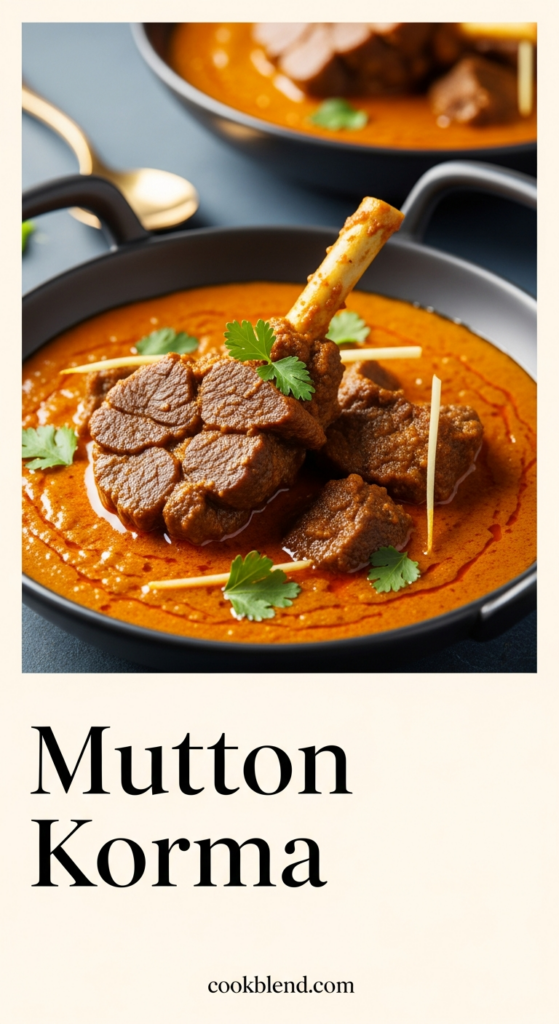

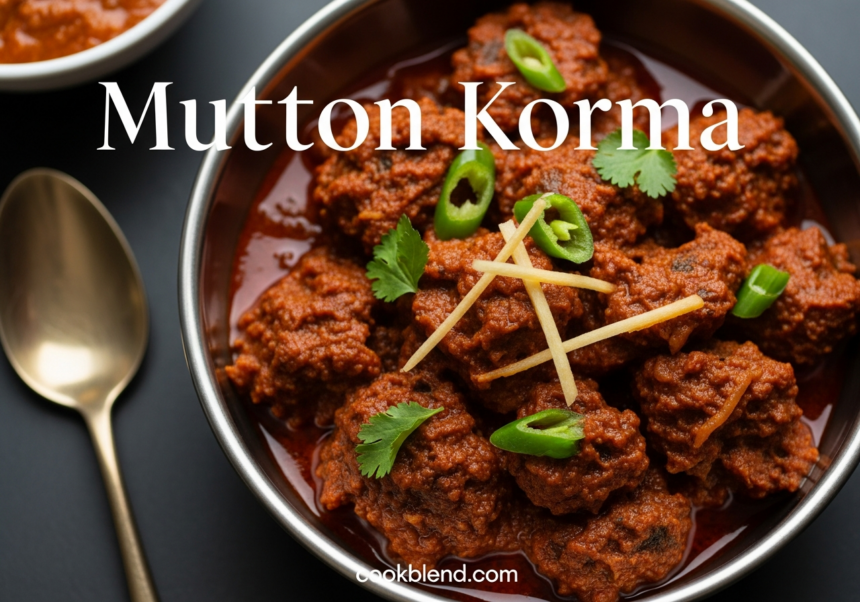
Mutton Korma
Mutton Korma is a rich and aromatic curry celebrated for its depth of flavor and luxurious texture. Slow-cooked with care, tender pieces of meat absorb a creamy, spice-infused sauce that reflects the elegance of traditional cuisine.
What makes Mutton Korma truly special is its perfect balance of warmth and richness. In traditional cooking, Mutton Korma relies on yogurt, nuts, and fragrant spices to create a velvety gravy that coats every piece beautifully.
When prepared slowly, Mutton Korma develops complex layers of flavor that feel comforting and indulgent. Many families serve Mutton Korma with basmati rice or warm naan to soak up the rich sauce.
For festive meals, Mutton Korma offers a refined yet hearty option that pleases the entire table. The appeal of Mutton Korma lies in its ability to feel both celebratory and deeply comforting.
Whether enjoyed during special occasions or family dinners, Mutton Korma remains a timeless favorite. Ultimately, Mutton Korma stands as a classic dish that showcases the art of slow cooking and traditional spices.
Prep and Cook Time
- Preparation: 25 minutes
- Cooking: 1 hour 45 minutes
- Total Time: 2 hours 10 minutes
Yield
- serves 6 generous portions
Difficulty Level
- Medium – requires some attention to layering flavors and slow cooking
Ingredients
- 1 kg boneless mutton pieces, trimmed and washed
- 3 large onions, thinly sliced
- 1 cup plain yogurt, whisked
- 1/4 cup ghee (clarified butter) or vegetable oil
- 1 tbsp ginger-garlic paste
- 10 green cardamom pods
- 6 whole cloves
- 2 black cardamoms
- 2 large bay leaves
- 1 cinnamon stick (3-inch piece)
- 1 tsp fennel seeds
- 1 tsp coriander powder
- 1 tsp cumin powder
- 1/2 tsp turmeric powder
- 1 tsp red chili powder (adjust to taste)
- 1/4 tsp ground nutmeg
- 1/4 cup blanched almonds, soaked and ground to a paste
- 1/2 cup warm milk infused with a few strands of saffron
- 2 tbsp rose water
- Fresh coriander and slivered pistachios for garnish
- Salt to taste
- Water as needed
Step-by-Step Guide to Crafting the Perfect Mutton Korma at Home
- Prepare the spice base: In a heavy-bottomed pan, heat ghee over medium heat. Add cardamom pods, cloves, black cardamoms, bay leaves, cinnamon stick, and fennel seeds. sauté until fragrant, about 1-2 minutes.
- caramelize the onions: Add sliced onions and cook slowly, stirring frequently, until deep golden brown, approximately 20-25 minutes. This step is crucial for the rich, dark base that defines authentic Mughlai flavor.
- Add ginger-garlic paste: Mix in the ginger-garlic paste and cook for 3-4 minutes until the raw aroma dissipates.
- Incorporate spices: Stir in coriander, cumin, turmeric, red chili powder, and nutmeg. Cook for another minute to roast the spices lightly, stirring to prevent burning.
- Brown the mutton: Add the mutton pieces and sear on high heat until they are browned on all sides, about 8-10 minutes. This seals in flavor and texture.
- Marinate with yogurt: Lower heat and gently fold in the whisked yogurt, ensuring no curdling occurs by stirring continuously. Cook for 10 minutes until the mixture thickens and coats the meat beautifully.
- Introduce almond paste and saffron milk: Stir in the almond paste and saffron-infused warm milk.This enriches the korma with the trademark creaminess and subtle floral notes.
- Add water and simmer: Pour in hot water to barely cover the mutton. Season with salt, cover, and simmer on low heat for 1 – 1.5 hours or until the meat is tender and the gravy has thickened luxuriously. Stir occasionally and add water if needed to maintain consistency.
- Finish with rose water: A few minutes before turning off the heat, add rose water for a heady fragrance that epitomizes mughlai sophistication.
- Garnish and serve: Transfer to a serving dish and adorn with freshly chopped coriander and slivered pistachios. Serve piping hot.
Chef’s Notes for Success
- Slow caramelization of onions is the backbone of the dish; rushing this step compromises depth and sweetness.
- Use fresh, high-quality whole spices for the most authentic aroma.
- For a richer korma,replace half the water with warm heavy cream or coconut milk.
- Adjust chili powder carefully-Mughlai dishes favor warmth, not overpowering heat.
- Make-ahead tip: Korma tastes even better the next day as spices meld-store refrigerated and gently reheat.
Serving Suggestions for an Authentic Experience
Present your mutton korma with fragrant basmati rice or flaky sheermal. Complement with cooling raita or a simple cucumber salad to balance the richness. A drizzle of saffron-infused cream on top adds an eye-catching touch. Pair with warm naan brushed lightly with butter and sprinkle with fresh cilantro to evoke the true courtly feast feel.
| Nutrient | Per Serving |
|---|---|
| Calories | 480 kcal |
| Protein | 35 g |
| Carbohydrates | 12 g |
| Fat | 30 g |
Explore another royal delight: Mughlai Biryani Recipe
For more on the rich spices used in Mughlai cooking, visit Britannica’s Mughlai Cuisine Guide.

Q&A
Q&A: Mutton Korma – A Rich Journey into Royal Mughlai Cuisine
Q1: What exactly is Mutton Korma?
A: Mutton korma is a luscious, aromatic curry that hails from the royal kitchens of the Mughal Empire. It’s a slow-cooked masterpiece where tender pieces of mutton are simmered in a creamy, spiced gravy made with yogurt, nuts, and fragrant spices, resulting in a dish that’s both rich and regal.
Q2: How did Mutton Korma become a part of Mughlai cuisine?
A: Mughlai cuisine emerged during the reign of the Mughal emperors,blending Persian culinary finesse with local Indian ingredients. Korma, believed to have persian origins, evolved into an opulent dish as imperial chefs refined it with luxurious ingredients like saffron, almonds, and cream, crafting meals worthy of the emperors’ grand feasts.
Q3: What sets Mutton Korma apart from other mutton curries?
A: Unlike fiery, tomato-based curries, Mutton Korma is a symphony of subtle, layered flavors. Its hallmark is the velvety, nutty gravy that envelops the meat, infused with delicate spices such as cardamom, cinnamon, and cloves, where richness and restraint coexist to create an indulgent but balanced dish.
Q4: What are the key ingredients that give Mutton Korma its unique flavor?
A: The magic lies in a blend of yogurt or cream, ground nuts (ofen almonds or cashews), fragrant whole spices, and aromatics like ginger and garlic. The slow cooking allows these ingredients to meld beautifully with the mutton, enriching each bite with complexity and depth.
Q5: Can Mutton Korma be customized for modern palates?
A: Absolutely! While the conventional recipe honors its royal roots, chefs today experiment with lighter cream alternatives, add subtle hints of dried fruits like apricots or raisins, or even incorporate contemporary spice blends. Yet, the essence remains: tender mutton immersed in a sumptuous, fragrant gravy.
Q6: How is Mutton Korma traditionally served?
A: Traditionally, Mutton Korma graces the dining table alongside fragrant basmati rice, buttery naan, or soft parathas. It’s often garnished with fresh coriander, fried onions, or slivers of nuts, elevating the presentation to match its rich taste and royal heritage.
Q7: Why is Mutton Korma considered a ‘royal’ dish?
A: The term ‘royal’ reflects both its past origin and its luxurious ingredients. In the Mughal courts, food was not just sustenance but an art. Mutton Korma’s intricate preparation, expensive components, and sumptuous texture made it a prized dish reserved for nobility and special occasions.
Q8: What occasions call for cooking Mutton Korma today?
A: Mutton Korma remains a celebratory dish, perfect for weddings, festive gatherings, and family feasts. Its rich, comforting flavors evoke nostalgia and grandeur, making any meal feel like a regal occasion.
Q9: Can a home cook recreate authentic Mutton Korma?
A: With patience and the right ingredients, yes! The key is slow cooking to tenderize the meat and allow flavors to fully develop. Home cooks can follow classic recipes, ensuring to balance spices and richness without rushing the process, bringing a taste of Mughal magnificence to their table.
Q10: What’s the ultimate takeaway about Mutton Korma in the story of Mughlai cuisine?
A: Mutton Korma is more than just a dish; it’s a flavorful chapter in the history of India’s culinary tapestry. It represents the elegance, cultural fusion, and gastronomic artistry of the Mughal era-an enduring legacy that continues to tantalize palates and inspire chefs around the world.
Insights and Conclusions
As the aromatic spices of mutton Korma linger on the palate, one cannot help but appreciate the rich tapestry of history and culture woven into every tender bite. This regal dish, born from the grandeur of Mughlai courts, is more than just a meal-it’s a flavorful journey through time, telling tales of emperors, exquisite craftsmanship, and culinary artistry. Whether savored in a bustling home kitchen or a lavish banquet, Mutton Korma continues to celebrate the enduring legacy of royal indulgence, inviting food lovers to experience a timeless symphony of taste and tradition.