
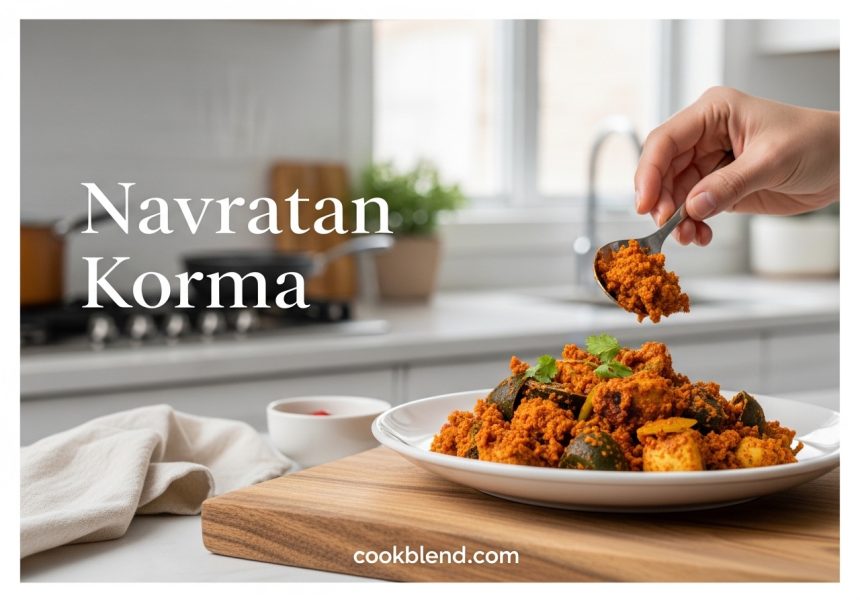
In the vibrant tapestry of Indian cuisine, few dishes capture the essence of royalty and tradition quite like Navratan Korma. Literally translating to “Nine Jewels Curry,” this lush, creamy masterpiece is a harmonious blend of nine carefully selected vegetables, fruits, and nuts, each adding its own unique sparkle to the dish. Born from the kitchens of Mughal emperors and refined through centuries of culinary artistry,Navratan Korma is much more than a meal-it is a festivity of flavor,heritage,and the timeless art of blending diverse ingredients into a symphony of taste. Join us as we delve into the rich history and sumptuous flavors that make Navratan Korma a true jewel in the crown of Indian gastronomy.
The Rich History Behind Navratan Korma
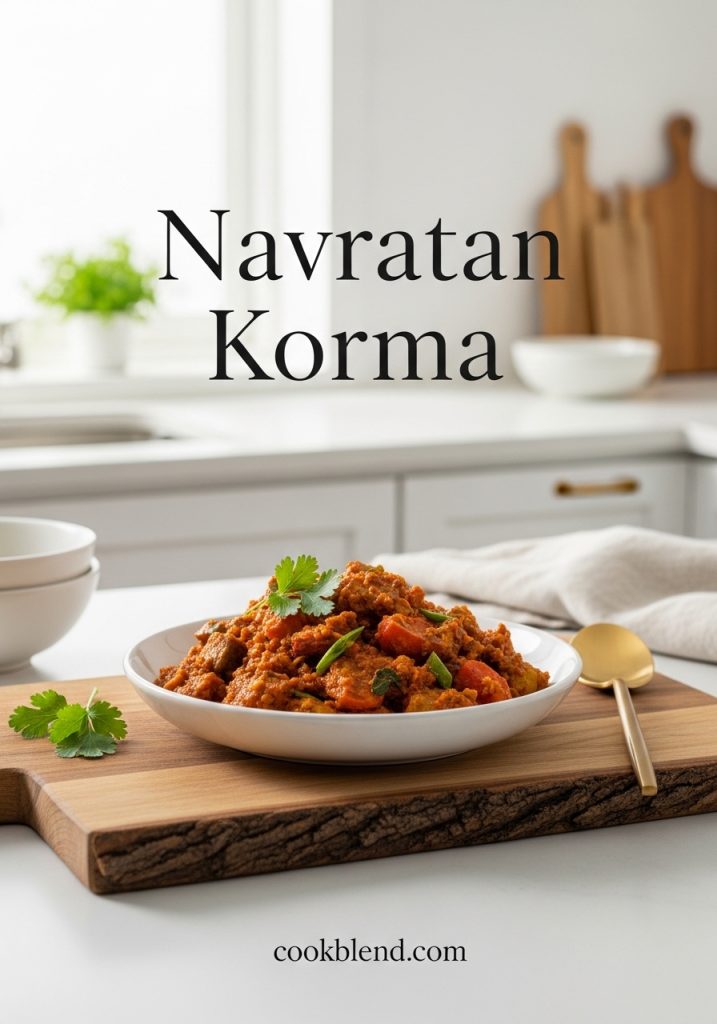
Navratan Korma is a culinary masterpiece that brings together tradition, royalty, and vibrant flavors in one harmonious dish.Rooted deeply in Mughlai cuisine, this Navratan Korma symbolizes opulence-its name translating to “nine gems,” reflecting the colorful assortment of vegetables, nuts, and fruits that grace the creamy curry. Historically, this dish was crafted in royal kitchens of Northern India, ofen reserved for nobility and special occasions. today, Navratan Korma continues to enchant food lovers worldwide with its luscious texture and delicate balance of sweet and savory notes, making it a beloved centerpiece of festive feasts and everyday indulgences alike.
Key Ingredients That Make Navratan Korma Unique
The distinctiveness of Navratan Korma lies in its remarkable blend of ingredients that create layers of texture and taste. the creaminess of cashew and yogurt-based gravy, accented by aromatic cardamom, saffron, and cloves, elevates the dish to regal heights. The “nine gems” are typically a medley of nine different vegetables and dried fruits-such as carrots, peas, beans, potatoes, pineapple chunks, raisins, and nuts-each adding a jewel-like visual appeal and delightful burst of flavor.The careful use of fragrant spices entwined with mild sweetness from cream or coconut milk makes Navratan korma a uniquely rich experience among Indian curries.
Prep and Cook Time
- Readiness: 20 minutes
- Cooking: 35 minutes
- Total Time: 55 minutes
Yield
Serves 4 generously.
Difficulty Level
Medium – perfect for cooks looking to elevate their Indian culinary repertoire with a dish that balances technique and creativity.
Ingredients
- 2 tbsp ghee or vegetable oil
- 1 cup mixed diced vegetables (carrots, beans, peas, potatoes)
- 1 small onion, finely chopped
- 1 tsp ginger-garlic paste
- 1/4 cup cashew nuts, soaked and ground to a paste
- 1/4 cup fresh cream
- 1/2 cup plain yogurt, whisked
- 1/4 cup pineapple chunks
- 2 tbsp raisins
- 1/4 cup mixed nuts (almonds, pistachios), chopped
- 1 tsp coriander powder
- 1/2 tsp cumin powder
- 1/4 tsp cardamom powder
- 1/4 tsp garam masala
- A pinch of saffron strands soaked in 1 tbsp warm milk
- Salt to taste
- Fresh coriander leaves for garnish
Step by Step Guide to Crafting the Perfect Navratan Korma
- Heat ghee or oil in a heavy-bottom pan over medium heat. Add the finely chopped onion and sauté until golden brown, about 5 minutes, stirring frequently enough to avoid burning.
- Add ginger-garlic paste and cook for 2 minutes until the raw aroma subsides.
- Mix in coriander and cumin powders, stirring to coat the onions and toast the spices lightly for 1 minute.
- Fold in the diced vegetables, sautéing gently for 5 minutes until thay begin to soften but remain crisp.
- Stir in the cashew paste, yogurt, and fresh cream carefully, mixing well to form a smooth, rich gravy. Cook on low heat, stirring frequently to prevent curdling.
- Add pineapple chunks, raisins, and chopped nuts, incorporating these “gems” for bursts of sweet and nutty flavor.
- Pour in the saffron-infused milk along with cardamom powder and salt to taste.
- Simmer the Navratan Korma on low heat for 10-12 minutes, allowing all ingredients to meld and the sauce to thicken to a luscious consistency.
- Finish with a sprinkle of garam masala and garnish generously with chopped fresh coriander leaves before serving.
Expert Tips for Enhancing Flavor and Presentation
- For an extra depth of flavor, lightly toast the nuts and raisins before adding them to the curry to release their natural oils and aromas.
- Use full-fat yogurt and fresh cream to achieve a luxuriously creamy texture without curdling; temper the yogurt by adding a bit of hot gravy before combining fully.
- Balance the sweetness with a touch of lemon juice or a hint of green chili if you prefer a slight kick behind the mildness.
- to keep vegetable pieces uniform and visually appealing,cut them into similar-size cubes-the hallmark of an elegant Navratan korma.
- For make-ahead convenience, prepare the gravy and refrigerate separately. Reheat gently and add fresh cream just before serving.
Serving suggestions
Serve Navratan Korma steaming hot alongside fragrant basmati rice or soft Indian breads like naan or paratha. Garnish with slivers of almonds and a few pomegranate seeds for a burst of color and a hint of tartness. Pair the meal with a cooling cucumber raita or a simple cucumber-mint salad to balance the rich flavors. This dish also shines at celebratory feasts, making it an exquisite centerpiece that dazzles both the eye and palate.

Nutritional Details (Per Serving)
| Calories | protein | Carbohydrates | Fat |
|---|---|---|---|
| 320 kcal | 8 g | 30 g | 18 g |
For more insights on Indian curries and their rich histories, explore our article on Royal Indian Curry Recipes. To deepen understanding of Mughlai cuisine origins, refer to Britannica’s mughlai Cuisine Overview.
Q&A
Q&A: Navratan Korma – A Royal Blend of Flavor and Tradition
Q1: What exactly is Navratan Korma?
A1: Navratan korma is a majestic Indian curry known for its rich, creamy texture and vibrant medley of ingredients. The name “Navratan” translates to “nine gems,” symbolizing the nine different vegetables, fruits, nuts, and sometimes paneer or meat, that come together to create this aromatic, colorful dish.It’s a royal recipe that’s been cherished in Indian kitchens for centuries.
Q2: Where did Navratan Korma originate?
A2: This regal curry traces its origins to the Mughal era, a period renowned for its lavish cuisine and intricate flavors.While recipes vary slightly across regions, Navratan Korma has cemented itself as a royal favorite, blending Persian culinary influences with Indian spices and ingredients to create a dish that’s both historic and hearty.
Q3: What makes Navratan Korma so unique?
A3: What sets Navratan korma apart is its harmonious balance of sweet, savory, and nutty flavors. The creaminess of yogurt or cream combines with fragrant spices like cardamom, cinnamon, and cloves, while the “nine gems” add texture and bursts of taste-from crunchy nuts to tender vegetables and sweet fruits. It’s a culinary symphony that’s both indulgent and comforting.
Q4: can you name some typical ingredients used in Navratan Korma?
A4: Certainly! Traditional Navratan Korma might include a colorful mix such as carrots, peas, beans, pineapple, pomegranate seeds, cashew nuts, almonds, paneer, and sometimes raisins or apricots. the base is usually made with onions, tomatoes, cream or yogurt, and a rich blend of aromatic spices that elevate every bite.Q5: Is Navratan Korma suitable for vegetarians?
A5: Absolutely! Navratan Korma is primarily a vegetarian dish, often enjoyed by those who follow a plant-based diet. However, some variations include meat or paneer, but the vegetarian versions are widely popular for their wholesome and nutrient-rich composition.
Q6: How is Navratan Korma traditionally served?
A6: This royal curry is best savored hot, paired with fluffy basmati rice or flaky Indian breads like naan or paratha.The creamy sauce clings beautifully to each grain and fold of bread, making every mouthful a decadent experience. Often, it’s garnished with fresh coriander and a sprinkle of nuts for that extra royal touch.
Q7: What occasions are ideal for enjoying Navratan Korma?
A7: Given its rich and celebratory nature, Navratan Korma is a staple at festive gatherings, weddings, and special family dinners. Its vibrant colors and indulgent flavors make it perfect for marking joyous events, yet it’s equally delightful as a comforting weekday treat.
Q8: Can Navratan Korma be adapted for modern tastes?
A8: Definitely! While respecting tradition, chefs and home cooks alike experiment by varying the “nine gems” or adjusting the spice levels to suit contemporary palates.Some create vegan versions by using coconut milk instead of cream, or add innovative twists with superfoods-keeping the royal spirit alive in every adaptation.
Q9: Why is Navratan Korma considered a celebration of Indian culinary heritage?
A9: Navratan Korma embodies the essence of Indian cooking-diverse ingredients, layered spices, and a reverence for balance and beauty.It tells a story of cultural fusion, opulence, and the artistry of bringing together nature’s bounty into one sumptuous dish. Enjoying this curry is like tasting a slice of India’s royal history and culinary soul.
Q10: how can one best recreate the authentic taste of Navratan Korma at home?
A10: The key lies in patiently cooking the base with fresh spices and allowing the ingredients to meld slowly, creating a luscious sauce. Using fresh nuts, seasonal vegetables, and authentic spices-combined with love and attention to detail-will transport your kitchen to a royal Indian court, delivering an unforgettable feast of flavor and tradition.
Final Thoughts
In the rich tapestry of Indian cuisine, Navratan Korma stands out as a vibrant jewel-a royal blend where tradition meets indulgence in every luscious bite. More than just a dish, it is indeed a celebration of heritage, weaving together an array of vegetables, fruits, nuts, and aromatic spices into a harmonious symphony of flavors.Whether served at a festive gathering or a quiet family dinner, Navratan Korma invites us to savor not only the richness of its ingredients but also the timeless stories and cultural nuances it carries. Embracing this classic recipe is more than culinary enjoyment; it is a delicious journey through history, inviting us to partake in a legacy of royalty and the art of savoring life’s finest tastes.