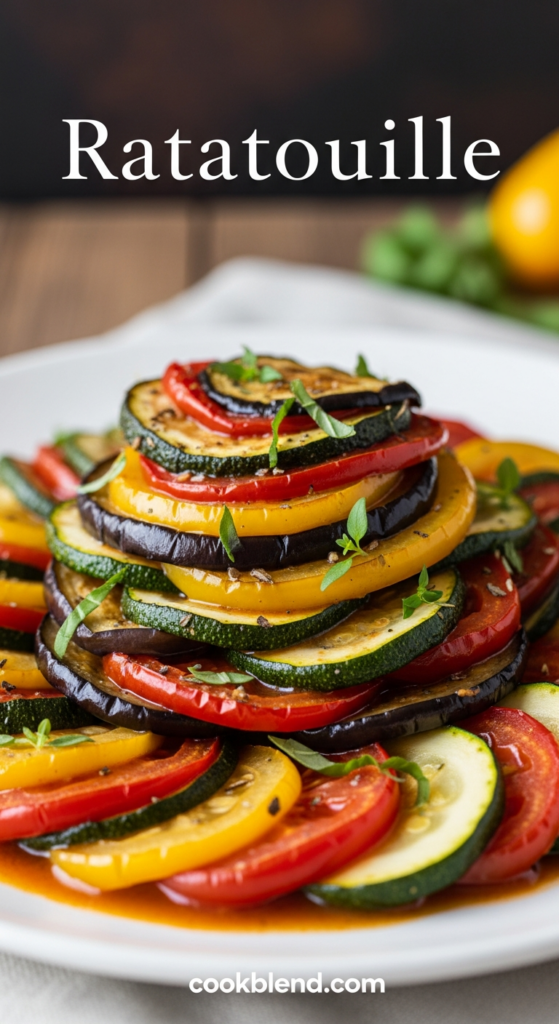

In the heart of French cuisine lies a humble yet extraordinary dish that has captivated palates around the world-ratatouille. More then just a medley of vegetables simmered to perfection, ratatouille embodies the rich tapestry of tradition, culture, adn history woven into every tender bite. “ratatouille unveiled: A Flavorful Journey Through tradition” invites you to explore the origins,techniques,and timeless appeal of this iconic Provençal stew. From sun-kissed fields of fresh produce to the simmering cauldrons in rustic kitchens, join us as we delve into the story behind the flavors that have made ratatouille a beloved symbol of comfort and culinary artistry.
Ratatouille unveiled: A Flavorful Journey Through Tradition invites you into the heart of Provence, where sun-ripened vegetables and rustic simplicity unite to create a dish brimming with history and vibrant flavor. This classic French vegetable stew embodies the essence of Provençal life-freshness, seasonality, and a celebration of humble ingredients elevated to art. Growing up in the south of France, I remember my grandmother’s ratatouille simmering gently on the stove; its aroma was a fragrant promise of comfort and tradition. today, this dish inspires home cooks worldwide, showcasing how patience and technique transform garden bounty into a masterpiece of harmony and depth.
Prep and Cook Time
- Preparation: 30 minutes
- Cooking: 1 hour 15 minutes
- Total Time: 1 hour 45 minutes
yield
Serves 6 generously as a main or side dish
Difficulty Level
Medium – ideal for confident home cooks eager to explore layering flavors with precision
Ingredients
- 3 medium eggplants, cut into 1/2-inch cubes
- 3 medium zucchinis, sliced into 1/2-inch rounds
- 4 large ripe tomatoes, peeled, seeded, and chopped
- 2 red bell peppers, diced
- 1 yellow bell pepper, diced
- 1 large onion, finely chopped
- 4 cloves garlic, minced
- 1/4 cup extra virgin olive oil, plus more for drizzling
- 2 tablespoons fresh thyme leaves
- 1 tablespoon fresh rosemary, finely chopped
- 1/4 cup fresh basil leaves, chiffonade
- Salt and freshly ground black pepper, to taste
- 1 teaspoon Herbes de Provence (optional for authenticity)
Instructions
- Prepare the vegetables: Rinse all vegetables thoroughly and pat dry. Chop eggplants, zucchinis, tomatoes, and bell peppers uniformly to ensure even cooking.
- Salt the eggplant: Place cubed eggplant in a colander and toss with a pinch of salt. let it rest for 20 minutes to draw out bitterness. Rinse under cold water and pat dry with paper towels.
- Sauté aromatics: Heat 2 tablespoons of olive oil in a large sauté pan over medium heat. Add chopped onion and garlic; sauté until translucent and fragrant, about 5 minutes.Avoid browning to preserve sweetness.
- Cook eggplant separately: In a separate pan, heat 2 tablespoons olive oil. Add eggplant cubes and cook until golden and tender, about 8-10 minutes, stirring frequently to prevent sticking.
- Sauté the bell peppers: In the onion and garlic pan, add diced bell peppers and cook until slightly softened, about 5 minutes.
- Add zucchini: Incorporate the zucchini slices, cooking gently just until tender but retaining some bite, about 4 minutes.
- Combine and simmer: Add peeled tomatoes, sautéed eggplant, thyme, rosemary, and Herbes de Provence. Season with salt and pepper. Reduce heat to low, cover partially, and let simmer for 30-40 minutes. stir occasionally to meld flavors without breaking down vegetables too much.
- Finish with fresh basil: Stir in fresh basil just before serving for a bright, herbaceous lift.
- Adjust seasoning: Taste and add more salt, pepper, or olive oil as needed. For a silky finish, drizzle with extra virgin olive oil right before plating.
Tips for Success
- Vegetable prep: Uniform cuts ensure even cooking and a visually appealing medley.
- Layering flavors: sautéing vegetables separately preserves their unique textures and prevents the stew from becoming mushy.
- Fresh herbs: Use fresh thyme and rosemary to capture authentic Provençal nuances; dried herbs can substitute but with less vibrancy.
- make ahead: Ratatouille tastes even better the next day, as flavors deepen. Reheat gently over low heat,adding a splash of water or broth if too thick.
- Eggplant salting step: Key to removing bitterness and excess moisture-don’t skip!
Serving Suggestions
Ratatouille is wonderfully versatile-serve it warm, slightly chilled, or at room temperature. For a truly elevated experience, present it atop creamy polenta or nestled alongside roasted chicken. garnish with fresh basil leaves or a sprinkle of finely grated Parmesan for an extra umami kick. Pair with a crisp Provençal rosé or a light-bodied red wine such as a young Côtes du Rhône. For texture contrast, warm a crusty baguette or garlic bread on the side to soak up the rich sauce.

| Nutrient | Per Serving |
|---|---|
| Calories | 190 kcal |
| Protein | 4 g |
| Carbohydrates | 22 g |
| Fat | 10 g |
Explore further culinary techniques and Provençal recipes in our Provençal Cuisine Basics guide, and deepen your appreciation for Mediterranean flavors.
For an authoritative dive into the history and legacy of Provençal dishes, visit Encyclopaedia Britannica’s ratatouille entry.
Q&A
Q&A: Ratatouille Unveiled – A Flavorful Journey Through Tradition
Q1: What exactly is ratatouille, and why has it captured the hearts of food lovers worldwide?
A1: Ratatouille is a vibrant, rustic vegetable stew originating from Provence, France. It’s a harmonious blend of summer vegetables like eggplant, zucchini, bell peppers, tomatoes, and fragrant herbs. Its allure lies in its simplicity and the way it celebrates the bounty of the season, creating layers of flavor that are both comforting and refreshingly light-a true taste of Mediterranean sunshine in every bite.
Q2: How did ratatouille evolve from a humble farmers’ dish to a celebrated culinary classic?
A2: Initially, ratatouille was a practical, peasant dish designed to make the most of abundant garden produce during harvest. Over time, chefs began to refine it, emphasizing balance and presentation without losing its soulful essence.The dish’s blend of rustic roots and refined charm helped it transcend its origins, turning it into a symbol of Provençal cuisine and a beloved dish in kitchens around the globe.
Q3: What are the key ingredients that define traditional ratatouille, and how do they contribute to its flavor profile?
A3: At the heart of ratatouille are fresh eggplants, zucchinis, bell peppers, ripe tomatoes, onions, garlic, and herbs like thyme, rosemary, and basil. Each ingredient brings a unique note: eggplants add a subtle earthiness, zucchinis contribute tender sweetness, peppers lend a gentle bite, and tomatoes provide tangy depth. The aromatic herbs and slow cooking meld these flavors into a beautifully layered, savory melody.
Q4: Are there different ways to prepare ratatouille, and how do these variations affect the dish?
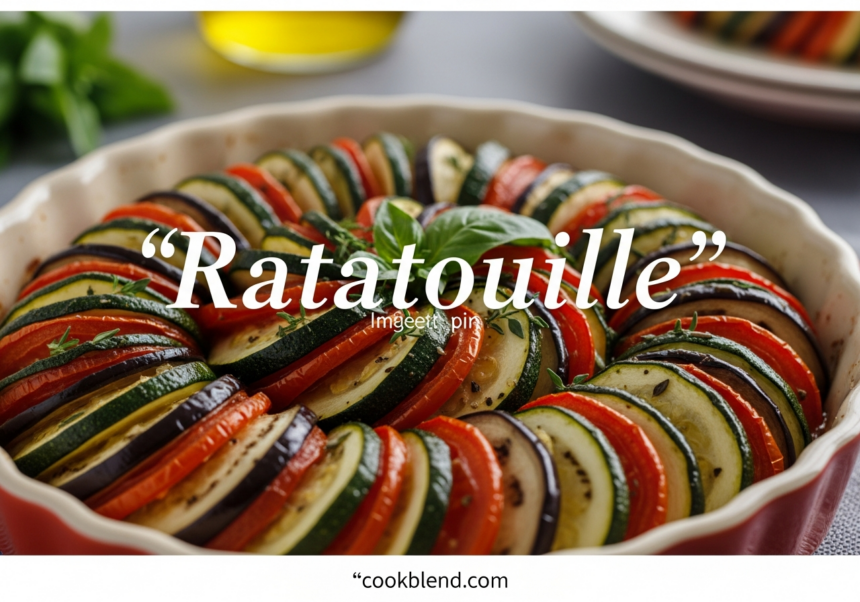
A4: Absolutely! Ratatouille can be prepared as a hearty stew with vegetables simmered together until tender, or elegantly layered and baked-like in the famous “Confit Byaldi” version popularized by the film Ratatouille. The stew method yields a rustic, warmly blended dish, while the layered approach offers a visually stunning presentation and a more distinct texture for each vegetable, inviting diners to savor each flavor individually and as part of a greater whole.
Q5: How can one best enjoy ratatouille-what pairings and serving suggestions bring out its full potential?
A5: Ratatouille is incredibly versatile. It shines as a side dish accompanying grilled meats or fish, but also stands proud as a vegetarian main served over fluffy rice, crusty bread, or creamy polenta. Pair it with a glass of crisp Provençal rosé or a light red wine to complement its fresh, herbaceous character. For a comforting twist, spoon it over soft-cooked eggs or toss it with pasta-each pairing opens a new doorway into its flavorful world.
Q6: What cultural importance does ratatouille hold in its region of origin?
A6: In Provence,ratatouille isn’t just food-it’s a celebration of tradition,community,and the land’s generosity. it embodies the Mediterranean lifestyle: simplicity, respect for seasonal produce, and the joy of sharing good food with others. Preparing ratatouille often brings families together, reinforcing a connection to heritage and nature that transcends generations.
Q7: Can ratatouille inspire modern culinary creativity?
A7: Definitely! Its foundational flavors and adaptable nature make ratatouille a canvas for innovation. Chefs experiment with spices, textures, and presentation-from adding unexpected ingredients like olives or fennel to reimagining it as a layered terrine or a vibrant dip. This timeless dish invites both respect for tradition and fearless creativity, bridging classic flavors with contemporary flair.
This Q&A invites readers to explore ratatouille not just as a dish but as a flavorful journey-one deeply rooted in history, bursting with fresh ingredients, and brimming with endless culinary possibilities.
Final Thoughts
As the final spoonful of this flavorful journey lingers on our palates, ratatouille stands as more than just a humble vegetable stew-it is a vibrant tapestry woven from the rich threads of tradition, culture, and culinary artistry. Unveiling its layers reveals not only the simple brilliance of fresh, garden-picked ingredients but also the enduring spirit of a dish that has traveled through time and table alike. Whether savored in a rustic farmhouse or celebrated on a modern plate, ratatouille invites us all to taste history, embrace creativity, and celebrate the timeless joy found in every colorful bite.