
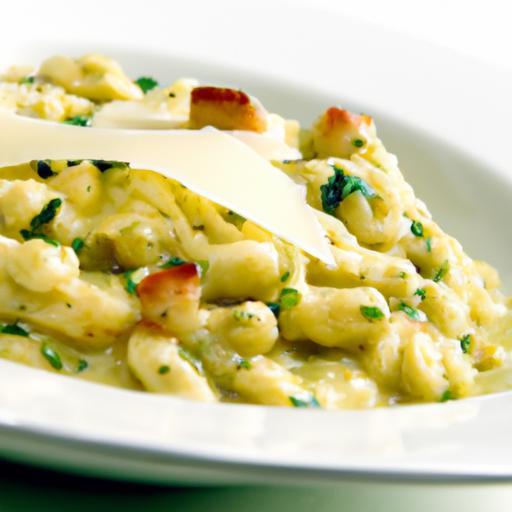
In the rich tapestry of Italian cuisine, risotto and pasta have long held distinct places at the table-each beloved, each a canvas for endless culinary creativity. But what happens when these two iconic staples waltz together in a harmonious embrace? Enter “Risotto di Pasta,” a delightful fusion that transforms simple pasta shapes into a luxuriously creamy dish, brimming with tradition and comfort. This innovative twist merges the slow, patient stirring of risotto with the familiar heartiness of pasta, creating a culinary experience that is both nostalgically Italian and refreshingly new. Join us as we explore the origins,techniques,and irresistible appeal of Risotto di pasta-a dish where creamy comfort meets the soul of Italy.
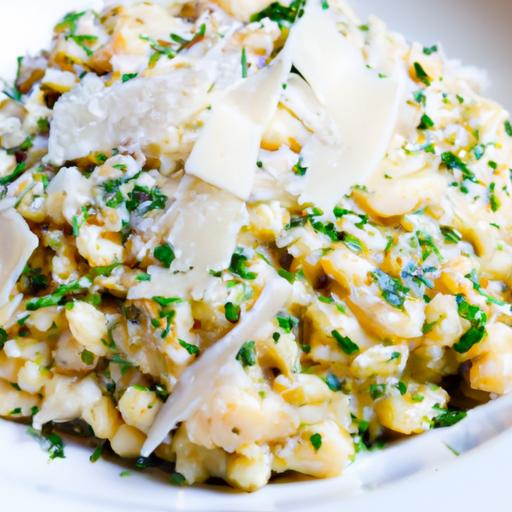
Risotto di Pasta is a true party of creamy comfort blended with Italian tradition, offering a unique twist on the classic risotto by replacing rice with pasta. This technique creates an irresistibly rich, velvety dish that thrills the palate with each bite, marrying the best of two worlds in Italian cuisine. Originating from a modern reimagining of northern Italian recipes, this planning allows for quicker cooking and delightful texture flexibility, making it an achievable indulgence for home cooks. My first encounter with risotto di Pasta was at a family trattoria outside Milan, where the dish’s luscious creaminess defied expectations, inspiring me to perfect its art at home.
Prep and Cook Time
- Preparation: 10 minutes
- Cooking: 25 minutes
- Total Time: 35 minutes
Yield
Serves 4 comfortably as a hearty main course
Difficulty Level
Medium – requires attentive stirring and timing for ideal creaminess
Choosing the Ideal Pasta Shapes for creamy Texture
The secret to a perfect Risotto di Pasta lies in using pasta shapes that absorb flavors and release starch naturally, creating that signature creamy texture. Opt for smaller, ridged varieties such as orzo, ditalini, or small shells. Their surface area encourages binding with the broth, mirroring arborio rice’s role in risotto. Avoid large tubular pastas, which won’t impart the desired silkiness. When selecting, look for pasta that is semolina-based with slightly rough textures; this helps the creamy sauce cling lovingly to each morsel.
Selecting Ingredients that Elevate Flavor and Richness
To elevate this dish beyond ordinary comfort food, every ingredient counts. Start with a robust homemade or high-quality vegetable or chicken broth, which serves as the flavor backbone. Fresh aromatic shallots or white onions gently sweated releasing sweetness, paired with a splash of dry white wine, introduce subtle depth. For richness, incorporate unsalted butter and a generous handful of freshly grated Parmesan cheese right at the finish, folding them gently to coax out velvety creaminess. A touch of heavy cream or mascarpone is optional but recommended for an indulgent mouthfeel. Lastly, finish with fresh herbs like flat-leaf parsley or a sprinkle of grated lemon zest to balance richness with brightness.
Tips and techniques for Achieving Silky Smooth Consistency
Precision and patience are your greatest allies when preparing Risotto di Pasta. Begin by toasting the pasta briefly in hot olive oil and butter to coat each piece, enhancing nuttiness. Always add warm broth gradually in ladlefuls, stirring constantly, allowing the pasta’s surface starch to dissolve slowly, creating luscious creaminess without resorting to cream-heavy solutions. Avoid rushing-the magic happens as the pasta absorbs the liquid inch by inch. Stir gently but consistently to prevent sticking and encourage starch release. Toward the end, remove from heat before fully al dente to let residual heat finish cooking while the sauce thickens naturally.
Ingredients
- 1 cup orzo pasta or other small pasta like ditalini or small shells
- 4 cups homemade or low-sodium chicken broth, kept warm
- 2 tbsp unsalted butter
- 1 tbsp extra virgin olive oil
- 1 small shallot, finely minced
- 1/4 cup dry white wine (e.g., Pinot Grigio)
- 1/2 cup freshly grated Parmesan cheese
- 1/4 cup heavy cream or mascarpone (optional)
- 1 tsp fresh lemon zest
- Salt and freshly cracked black pepper, to taste
- Fresh parsley, chopped for garnish
Instructions
- Warm the broth in a medium saucepan over low heat to ensure it’s hot but not boiling throughout the cooking process.
- Heat the butter and olive oil in a large, heavy-bottomed skillet or sauté pan over medium heat. Add the minced shallot and sweat gently for 3-4 minutes until translucent, without browning, to release sweetness.
- Add the pasta to the pan and toast it lightly, stirring constantly, about 2 minutes until each piece is coated and slightly translucent at the edges. This step adds a subtle nuttiness and helps with texture.
- Pour in the white wine, stirring until it reduces almost completely, infusing the pasta with aromatic acidity.
- Begin adding the warm broth one ladle (about 1/2 cup) at a time, stirring frequently and allowing each addition to be mostly absorbed before adding the next. This gradual cooking process encourages the pasta to release starch for a creamy sauce. Maintain medium heat to avoid boiling.
- Continue adding broth and stirring for 15-18 minutes until the orzo is tender but still has a slight bite – “al dente.” The mixture should be rich and creamy.
- Remove the pan from heat. Stir in the Parmesan cheese and, if using, heavy cream or mascarpone, melding everything together into a luscious finish. Adjust seasoning with salt and pepper, adding lemon zest for a fresh, zingy contrast.
- Serve immediately, garnished with a sprinkle of fresh parsley and extra Parmesan on the side.
Tips for Success
- Use warm broth to maintain consistent cooking temperature and avoid shocking the pasta cold.
- If the risotto di pasta thickens too much, stir in a splash of broth or warm water to loosen it before serving.
- For a vegetarian version, substitute vegetable broth and omit any animal-based garnishes.
- Don’t skip toasting the pasta; it builds foundational flavor and helps texture.
- Make it ahead by cooking the pasta slightly underdone and finish with broth and cheese just before serving.
Serving Suggestions
Present this creamy delight in shallow bowls to showcase its inviting texture. Pair with a crisp green salad dressed with lemon vinaigrette to counterbalance richness. For an elevated touch, drizzle a high-quality extra virgin olive oil or scatter toasted pine nuts on top. A chilled glass of dry white wine such as a Soave complements the gentle acidity of the dish perfectly. Perfect for cozy dinners or as an elegant first course, Risotto di Pasta stands out as comfort food at its finest yet refined.
| Nutrient | Per Serving |
|---|---|
| Calories | 350 kcal |
| Protein | 12 g |
| Carbohydrates | 45 g |
| Fat | 10 g |

For a deeper dive into conventional risotto techniques, check our Classic Italian Risotto Recipe. Learn more on the culinary science behind starch release at Serious Eats.
Q&A
Q&A: Risotto di Pasta – Creamy Comfort Meets Italian Tradition
Q1: What exactly is Risotto di Pasta?
A1: Risotto di Pasta is an ingenious Italian culinary creation that combines the creamy, dreamy texture of risotto with the beloved familiarity of pasta. Instead of using traditional rice grains, small pasta shapes like orzo, risoni, or acini di pepe are cooked slowly in broth until thay absorb the flavors and reach that signature velvety consistency.
Q2: How did Risotto di Pasta originate? Is it a traditional Italian dish?
A2: While classical risotto strictly uses rice, Risotto di Pasta is a playful twist that has roots in southern Italy’s culinary pragmatism. Italians have long embraced resourcefulness, sometimes substituting ingredients to suit local availability. Over time, the concept of cooking tiny pastas risotto-style grew in popularity, marrying tradition with innovation for a comforting, accessible dish.
Q3: how does the texture of Risotto di Pasta compare to classic risotto?
A3: The texture is remarkably similar – creamy, rich, and slightly al dente – but with a uniquely tender bite that only pasta can offer. The starch released by the small pasta shapes when simmered slowly mimics the creaminess of Arborio or Carnaroli rice, delivering that luscious mouthfeel risotto lovers crave.
Q4: What pasta shapes work best for making Risotto di Pasta?
A4: Small, rice-sized pastas like orzo, risoni, fregola, or acini di pepe are ideal. Their size allows them to absorb broth evenly and release starch gradually, ensuring a smooth, cohesive dish without clumping or gumminess.
Q5: Can Risotto di Pasta be customized like traditional risotto?
A5: Absolutely! Just like classic risotto, you can infuse Risotto di Pasta with myriad flavors – from saffron and wild mushrooms to seafood and fresh herbs. The pasta acts like a blank canvas, soaking up subtle broths or bold seasonings, making it versatile for any season or occasion.
Q6: Is Risotto di Pasta easier or harder to make than traditional risotto?
A6: It’s generally just as approachable! The main trick is gently stirring and gradually adding broth, encouraging the starch release that creates creaminess. For home cooks intimidated by risotto’s reputation, Risotto di Pasta offers a delightful and forgiving alternative that’s equally rewarding.
Q7: How can I serve Risotto di Pasta to highlight its Italian roots?
A7: Serve it with a drizzle of high-quality extra virgin olive oil, a sprinkling of freshly grated Parmigiano-Reggiano, and a garnish of bright fresh herbs like parsley or basil. Pair it with a crisp Italian white wine, and you have an authentic slice of Italy’s warmth and tradition on your plate.
Q8: Can Risotto di Pasta be a comforting meal for special diets?
A8: Yes! By selecting gluten-free small pastas or legume-based varieties,you can adapt this dish to gluten-free and even higher-protein diets.Its comforting creaminess makes it a perfect option for anyone seeking a hearty, nourishing meal with an Italian soul.
Risotto di Pasta masterfully blends the comforting creaminess of risotto with the beloved textures of pasta – a reminder that Italian tradition thrives not only in preservation but in joyful innovation.
In Summary
As the final grains of Parmesan melt into the luscious ribbons of pasta, “risotto di Pasta” stands as a testament to the enduring spirit of Italian cuisine-where innovation embraces tradition in every creamy, comforting bite. This delightful fusion invites home cooks and food lovers alike to reimagine classic textures and flavors, proving that culinary creativity knows no bounds. Whether enjoyed as a soul-soothing weeknight dinner or a centerpiece for festive gatherings, Risotto di Pasta reminds us that the heart of Italy’s kitchen beats strongest when passion and tradition come together on the plate. So grab your favorite pasta, stir with patience, and savor the harmonious marriage of creaminess and heritage in every spoonful.