
In the heart of Cuba’s vibrant culture lies a dish as rich and soulful as the island itself: black beans and rice. More than just a meal, this humble combination is a culinary tradition that tells stories of history, heritage, and community. Each spoonful carries the warmth of Cuban kitchens, where centuries-old recipes have been lovingly passed down through generations.Join us as we delve into the magic behind this iconic dish,exploring how black beans and rice have become the soul food that nourishes not only bodies but also the spirit of Cuba.
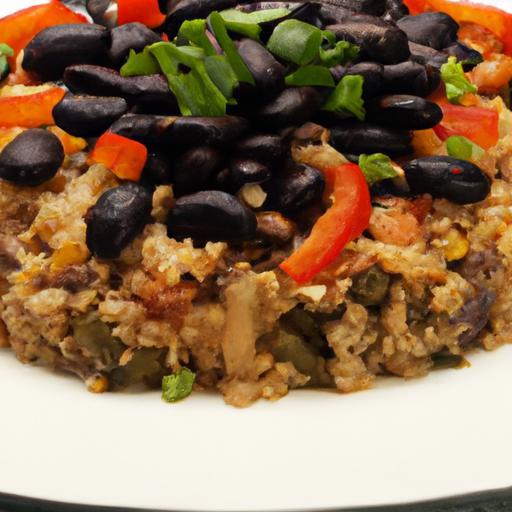
Savor the soul of Cuba with a dish that embodies warmth, tradition, and vibrant flavors: Black Beans and Rice. This beloved staple has its roots deeply set in Cuban heritage, where every spoonful tells a story of resilience and community. As a Culinary Content Creator and Food Stylist, I’ve always been captivated by how simple, authentic ingredients come together to create a dish that feels like a comforting hug. From the aromatic sofrito to the tender black beans stewing in a rich, spiced broth, this recipe offers an approachable gateway to exploring the heart of Cuban cuisine.
Prep and Cook Time
- Preparation: 15 minutes
- Cooking: 1 hour 10 minutes
- Total: 1 hour 25 minutes
Yield
Serves 6 generous portions
difficulty Level
Medium – perfect for home cooks ready to explore authentic cuban flavors with rewarding results
Ingredients
- 1 ½ cups dried black beans, soaked overnight and drained
- 4 cups fresh water (or low-sodium vegetable broth for extra depth)
- 1 medium onion, finely chopped
- 1 green bell pepper, diced
- 3 cloves garlic, minced
- 2 tablespoons olive oil
- 1 teaspoon ground cumin
- 1 teaspoon dried oregano
- 2 bay leaves
- 1 tablespoon white vinegar
- Salt and freshly ground black pepper, to taste
- 1 ¼ cups long-grain white rice, rinsed and drained
- 2 ½ cups water or broth (for cooking rice)
- 1 teaspoon smoked paprika (optional, for smoky warmth)
- Fresh cilantro, chopped for garnish
- Few dashes of hot sauce (optional)
Instructions
- Cook the beans: In a large pot, combine soaked black beans and 4 cups fresh water. Bring to a boil, then reduce to a gentle simmer.Add bay leaves and cook uncovered for about 50 minutes or until beans are tender but not mushy. Skim foam occasionally for clarity.
- Make the Sofrito Base: While beans cook, heat olive oil in a skillet over medium heat.Sauté onion, bell pepper, and garlic until soft and fragrant, about 5 minutes. Stir frequently to avoid burning.
- Season the Beans: Add sautéed vegetables to the beans, then stir in cumin, oregano, smoked paprika (if using), white vinegar, and salt and pepper to taste. Simmer for another 15 minutes, letting flavors marry beautifully.
- Prepare the Rice: Rinse rice under cold running water until water runs clear. in a medium saucepan, bring 2 ½ cups water or broth to a boil. Add rice and a pinch of salt, reduce heat to low, cover tightly, and simmer for 18-20 minutes until tender and fluffy.Remove from heat and let rest, covered, for 5 minutes.
- Combine and Serve: Remove bay leaves from beans before serving. Spoon steaming rice onto plates and ladle rich black beans on top or beside it. Garnish generously with fresh cilantro and offer hot sauce for those who like a kick.
Chef’s Notes
- Beans Pickup Seasonings Best: To deepen flavor, prepare the beans a day ahead; refrigerated beans taste even better as spices meld.
- substitutions: Canned black beans can be used in a pinch-rinse thoroughly and simmer with sofrito and spices for 20 minutes.
- Make it Vegan or Vegetarian: This recipe is naturally plant-based; for added smokiness, try a splash of liquid smoke or incorporate diced smoked paprika.
- Adjust Consistency: If beans are too thick, add a little bean cooking water or broth to loosen the stew.
- Rice Tips: Fluff the rice gently with a fork before serving to showcase those individual grains.
Serving Suggestions
Elevate your Cuban feast by pairing these luscious black beans and rice with slow-roasted Cuban pork or fresh plantain tostones. A crisp green salad with mango and avocado balances the warmth of the dish. Garnish with a wedge of lime and some chopped fresh cilantro to bring brightness and vibrancy to each bite. Serve alongside a classic cuban mojito or sparkling agua fresca to round out this nourishing experience.

Nutritional Information (per serving)
| Calories | protein | Carbohydrates | Fat |
|---|---|---|---|
| 310 kcal | 15 g | 50 g | 4 g |
For those eager to explore more vibrant Cuban staples, don’t miss our Classic Cuban Mojo Sauce guide that perfectly complements black beans and rice. Dive into culinary history and ingredient authenticity at Cuban Heritage Foundation.
Q&A
Q&A: Savor the Soul of Cuba: The Magic of Black Beans & Rice
Q1: What makes black beans and rice such an iconic dish in Cuban cuisine?
A1: Black beans and rice, or “Moros y cristianos,” is more than just a meal in Cuba-it’s a culinary symbol brimming with history and culture. The black beans represent the African influence, while the white rice reflects the Spanish heritage, coming together in a flavorful fusion that tells the story of Cuba’s diverse roots. this dish is a comforting staple, celebrated for its simplicity, hearty nutrition, and that soul-warming richness that feels like a homecoming in every bite.
Q2: How are Cuban black beans and rice traditionally prepared?
A2: Traditionally, the beans are soaked overnight to soften, then cooked slowly with a blend of aromatic ingredients such as garlic, bell peppers, onions, and the quintessential Cuban sofrito-a fragrant base of sautéed herbs and spices. The rice is cooked separately until fluffy, then combined with the beans so their flavors marry perfectly. Many cooks add a dash of cumin, bay leaves, and a splash of vinegar to balance the beans’ earthiness, creating a savory harmony that’s both simple and magical.
Q3: What cultural meaning does this dish hold in Cuba?
A3: Beyond its tasty taste, black beans and rice carries deep cultural significance. It’s often enjoyed during family gatherings, celebrations, and everyday meals-representing resilience, community, and shared heritage. The dish embodies the Cuban spirit: resourceful,welcoming,and rich in tradition. It’s a bridge connecting generations and honoring the island’s Afro-Caribbean identity,making it much more than just food-it’s an edible party of Cuban soul.
Q4: Can black beans and rice be adapted for modern or vegetarian diets?
A4: Absolutely! Though traditionally cooked with pork or smoky sausage, black beans and rice can easily be adapted for vegetarian or vegan diets by omitting the meat and emphasizing the spices and sofrito. Some modern versions incorporate fresh herbs, citrus zest, or even coconut milk for a twist. This dish’s beauty lies in its versatility-whether as a hearty vegan bowl or a meaty comfort food, it remains richly satisfying and full of soul.
Q5: Why should someone outside of Cuba try black beans and rice?
A5: Sampling Cuban black beans and rice is like taking a flavorful journey through history and culture. It offers a gateway to understanding Cuba’s diverse heritage and culinary ingenuity. Beyond that, it’s downright delicious-a perfect balance of textures and deep, layered flavors that nourish both body and spirit. For food lovers eager to explore authentic, soulful dishes, black beans and rice is an inviting plate of comfort that welcomes you to savor the heart of Cuba.
Wrapping Up
As the final grains of arroz con frijoles linger on the tongue, it becomes clear that this humble dish is far more than just a staple on Cuban tables-it is a flavorful tapestry woven from history, culture, and community. Black beans and rice tell the story of resilience and celebration, carrying the spirit of Cuba in every bite. So next time you savor this classic combo,remember you’re tasting a tradition that’s endured through generations-an edible emblem of a vibrant soul that continues to enchant palates and hearts alike. In every spoonful lies the magic of Cuba, inviting you to experience not just a meal, but a journey into the very essence of its people.