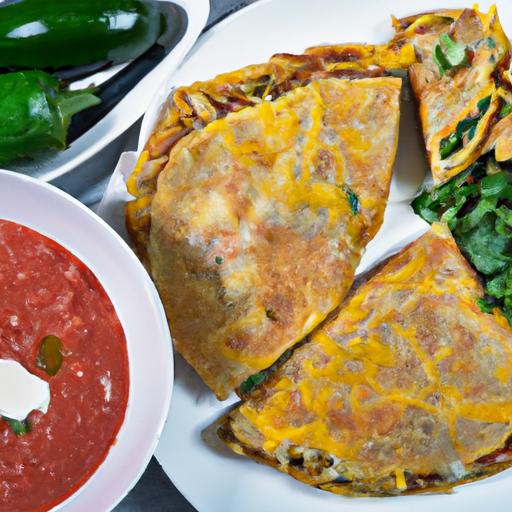

In the vibrant tapestry of Mexican cuisine, few dishes capture the heart and palate quite like huaraches adorned with queso and nopales.These hearty corn masa boats, named after the conventional sandals they resemble, are a feast for the senses-crispy yet tender, smoky yet fresh. Layered with tangy cactus paddles and creamy cheese, huaraches offer a unique blend of flavors that echo centuries of culinary tradition. Join us as we delve into the delicious world of savoring huaraches with queso and nopales, uncovering the stories, textures, and tastes that make this Mexican delight an unforgettable experience.
Savoring Huaraches with Queso and Nopales invites a deep dive into Mexican culinary heritage-a journey that enchants the senses and honors tradition. This iconic dish’s distinctive oval shape, reminiscent of its namesake sandal, is not only visually captivating but a canvas crafted for vibrant toppings and bold flavors. Originating from Mexico City’s street vendors, huaraches have evolved into a beloved street-food staple cherished nationwide. The artful interplay of corn masa and freshly prepared nopales, paired with a blend of luscious cheeses, creates an authentic experience that’s as rich in history as it is in taste.
Prep and Cook Time
- Readiness: 20 minutes
- Cooking: 25 minutes
- Total: 45 minutes
Yield
Serves 4 hearty portions, perfect for sharing or an indulgent solo feast.
Difficulty level
Medium – Ideal for cooks ready to embrace traditional techniques with approachable steps.
Ingredients
- For the Huarache Masa:
- 2 cups fresh masa harina (corn flour), sifted
- 1 ¼ cups warm water
- ½ teaspoon salt
- 2 tablespoons vegetable oil (for frying)
- For the Nopales:
- 1 ½ cups fresh nopales, cleaned and diced
- 1 small white onion, finely chopped
- 1 garlic clove, minced
- 1 tablespoon olive oil
- Salt and pepper, to taste
- Cheese Blend:
- ½ cup crumbled queso fresco
- ½ cup shredded Oaxaca cheese
- ¼ cup grated Cotija cheese
- Garnishes:
- Fresh cilantro leaves
- Thin slices of radish
- Avocado slices
- Lime wedges
- Salsa verde or roja, optional
Instructions
- Prepare the masa dough: In a large bowl, combine masa harina and salt. Gradually add warm water, stirring until a soft, pliable dough forms. Cover with a damp towel and let rest for 10 minutes to fully hydrate.
- Cook the nopales: Heat olive oil in a skillet over medium heat. Add chopped onion and garlic, sautéing until translucent (about 3 minutes). Add diced nopales, season with salt and pepper, and cook for 10-12 minutes, stirring occasionally, until tender and slightly caramelized. Set aside.
- Shape the huaraches: Divide the masa dough into 8 equal portions. On a clean surface, flatten each into an elongated oval shape about ½-inch thick, carefully forming the traditional sandal silhouette.
- Fry the huaraches: Heat vegetable oil in a large skillet over medium-high heat. Fry each huarache until golden and crispy on both sides, about 3-4 minutes per side.Remove and drain on paper towels to remove excess oil.
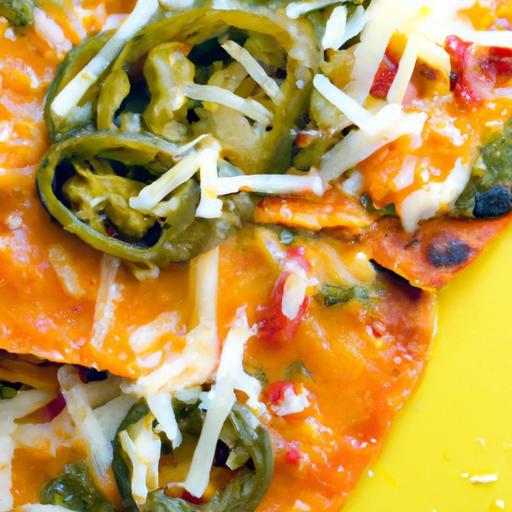
- Assemble the huaraches: While still warm, spread a generous layer of cooked nopales over each huarache. Sprinkle a harmonious blend of queso fresco,Oaxaca,and Cotija cheeses on top,allowing the residual heat to melt the cheeses slightly.
- Garnish and serve: Add fresh cilantro leaves, radish slices, and creamy avocado on the side.Serve immediately with lime wedges and your favorite salsa for an extra zing.
Tips for Success
- Freshness is key: Use fresh masa harina and freshly cut nopales for the best texture and flavor authenticity.
- Shape with care: Keeping the dough evenly thick ensures even cooking and avoids sogginess.
- Cheese harmony: Combining crumbly, stretchy, and salty cheeses enriches each bite with complex texture and flavor.
- Nopales tip: To eliminate excess slime from nopales, rinse thoroughly in cold water before cooking and avoid overcrowding the pan.
- Make-ahead: Prepare the masa dough and nopales a day ahead; refrigerate separately and assemble just before frying for peak freshness.
Serving Suggestions
Present these huaraches on vibrant Mexican ceramic plates to elevate the visual feast. Serve alongside a chilled agua fresca or a crisp Mexican lager. A small bowl of chunky salsa verde adds brightness and heat, complementing the mild tang of the cheese and the earthiness of the nopales. Garnish artistically with fresh cilantro sprigs and thin radish slices for a delightful crunch and burst of color.
| Nutrient | Per Serving |
|---|---|
| Calories | 420 kcal |
| Protein | 18 g |
| Carbohydrates | 38 g |
| Fat | 18 g |

For a deeper dive into traditional mexican ingredients, explore our Mexican Ingredients Guide. To understand more about the nutritional benefits of nopales, visit the NCBI research on Nopal Cactus.
Q&A
Savoring Huaraches with Queso and Nopales: A Mexican Delight
Q&A Edition
Q1: What exactly is a huarache in the context of Mexican cuisine?
A: Unlike the sandal it shares its name with, a huarache is a thick, oblong-shaped masa (corn dough) base that’s lovingly hand-pressed and grilled to golden perfection. Think of it as a Mexican corn pancake, but heartier-ready to hold a bounty of fresh, flavorful toppings.
Q2: Why are queso and nopales classic toppings on a huarache?
A: Queso (cheese) and nopales (cactus paddles) are a match made in Mexican culinary heaven. The creamy, salty cheese melts elegantly over the warm masa, while the nopales bring a slightly tangy, crisp texture that contrasts beautifully. Together, they elevate the huarache from simple street food to a vibrant, complex dish bursting with tradition.
Q3: Can you describe the flavor profile of nopales?
A: Nopales have a unique flavor-mild and somewhat grassy with a subtle tartness. When cooked properly, they offer a tender-crisp bite akin to green beans or okra, with a hint of earthiness. Their slight natural slime vanishes when grilled or sautéed, leaving behind a fresh vegetal punch that complements rich cheeses wonderfully.
Q4: How is the queso used in huaraches different from other cheeses?
A: Queso for huaraches is typically a fresh, soft variety like queso fresco or panela, which melts just enough to blend flavors without becoming a heavy, greasy blanket. It adds a creamy, salty note that balances the sweet corn and tangy nopales, making every bite unexpected and delightful.
Q5: Are huaraches typically enjoyed as street food or home-cooked meals?
A: Both! Huaraches shine as an iconic street food-imagine bustling city stalls with smoke curling from grills and the air thick with corn and fresh toppings. But they’re also a beloved comfort food in mexican homes, where recipes are passed down and personalized with family touches from salsas to avocado slices.
Q6: What makes savoring a huarache with queso and nopales such a unique Mexican experience?
A: It’s a sensory celebration: the warm, slightly chewy masa, the fresh tang of nopales, the creamy kiss of queso, and the vibrant sizzle of traditional seasonings. Each element tells a story of land, culture, and community, inviting you to savor not just food, but a flavorful chapter of Mexico’s rich culinary heritage.
Q7: Can you pair huaraches with any particular beverages or sides?
A: Absolutely! A cold,refreshing agua fresca-such as tamarind or hibiscus-provides the perfect counterpoint to the savory richness.For those who enjoy a spirited kick, a luminous mexican beer or a glass of chilled mezcal complements the smoky notes wonderfully. Side-wise, fresh pico de gallo or pickled jalapeños bring an extra zing that rounds out the experience.
Whether you encounter a huarache at a bustling mercado or decide to craft one yourself, embracing its layers of flavor with queso and nopales is more than a meal-it’s a delicious taste of Mexico’s heart and soul. ¡Buen provecho!
Future Outlook
As the vibrant flavors of queso and tender nopales meld atop the warm, freshly made huarache, we are reminded that Mexican cuisine is not just food-it’s a celebration of culture, history, and community. Each bite offers a story, a connection to generations who have perfected these ingredients and crafted this beloved dish. Whether enjoyed at a bustling street market or recreated in your own kitchen, savoring huaraches with queso and nopales is an invitation to experience the rich tapestry of Mexico’s culinary heritage. So next time hunger calls, let this delightful combination transport your taste buds to the heart of Mexico, where tradition and flavor come together in perfect harmony.