
Nestled within teh rich tapestry of Mexican cuisine is a hidden gem that captures the adventurous spirit and deep-rooted traditions of the land: the quesadilla de huitlacoche. Frequently enough hailed as “Mexico’s corn truffle,” huitlacoche is a unique fungal delicacy that transforms the humble corn kernel into an earthy, smoky, and irresistibly savory treat. In this article, we’ll embark on a flavorful journey to uncover the origins, cultural significance, and mouthwatering essence of the quesadilla de huitlacoche-a dish that invites food lovers to savor the unexpected and celebrate the vibrant ingenuity of Mexican gastronomy.
Savoring Quesadilla de Huitlacoche invites you on an enchanting journey into Mexican culinary heritage, where the earthy allure of huitlacoche transforms a humble corn tortilla into a decadent corn truffle delight. This unique delicacy, steeped in tradition and flavor, has captivated taste buds for centuries, offering a remarkable twist on the classic quesadilla with its rich, smoky essence and velvety texture. Weather you are experiencing huitlacoche for the first time or seeking to deepen your appreciation, this recipe embodies the authenticity and soulful charm of Mexican gastronomy.
Prep and Cook Time
Readiness: 15 minutes | Cooking: 20 minutes | Total: 35 minutes
Yield
Serves 4 generously, perfect for sharing or savoring as a hearty meal.
Difficulty Level
medium – approachable for home cooks familiar with basic Mexican cooking techniques and eager to explore exotic ingredients.
Ingredients
- 4 cups fresh huitlacoche (corn truffle) or 1 can (14 oz) huitlacoche,drained
- 8 corn tortillas,preferably freshly made or high-quality store-bought
- 1 cup Oaxaca cheese,shredded (or mozzarella as a substitute)
- 1 medium white onion,finely chopped
- 2 cloves garlic,minced
- 1 serrano chili,deseeded and finely chopped (optional for heat)
- 2 tablespoons vegetable oil or rendered pork fat (for authenticity)
- 1/4 cup fresh cilantro,chopped
- salt and freshly ground black pepper,to taste
- Fresh lime wedges,for serving
- Mexican crema or sour cream,for garnish
Instructions
- Prepare the huitlacoche filling: heat the vegetable oil in a medium skillet over medium heat. Add the finely chopped onion and sauté for 3-4 minutes until translucent. Stir in the minced garlic and serrano chili, cooking for another minute until fragrant.
- Add huitlacoche: Incorporate fresh or canned huitlacoche into the pan. Season with salt and freshly ground pepper. Sauté gently for about 7-10 minutes, stirring occasionally, allowing the flavors to meld and excess moisture to evaporate. Remove from heat and stir in the chopped cilantro. Set aside.
- Warm tortillas: On a clean skillet or comal, warm each tortilla for 20 seconds per side until pliable but not crispy to prevent tearing when folding.
- Assemble quesadillas: Place a warm tortilla flat on the skillet over medium-low heat. Evenly sprinkle a generous half cup of shredded Oaxaca cheese over half of the tortilla, followed by a thick layer of the huitlacoche mixture.
- Fold and cook: Fold the tortilla over the filling, gently pressing down with a spatula. Cook for 3-4 minutes per side until the tortilla is golden and slightly crisp, and the cheese inside has melted beautifully.
- Repeat: Prepare the remaining quesadillas with the same method, maintaining gentle heat to avoid burning.
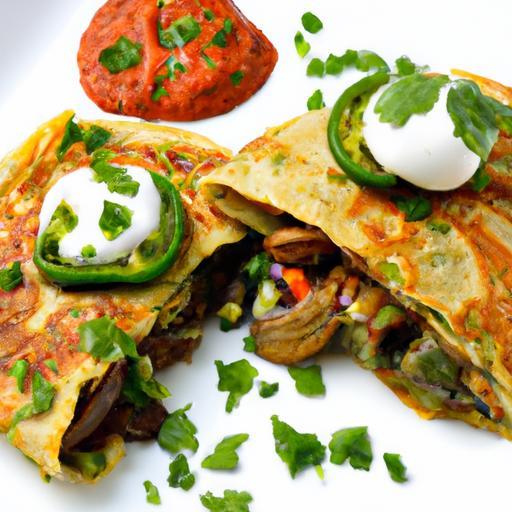
- Serve instantly: Transfer to a serving plate. Garnish with dollops of Mexican crema, a sprinkle of fresh cilantro, and lime wedges on the side to brighten the flavors.
Tips for Success
- Ingredient sourcing: Fresh huitlacoche can be seasonal and rare. Canned huitlacoche is an excellent,accessible alternative offering the same earthy flavor.
- Cheese choice: Oaxaca cheese melts smoothly, lending a stringy, luscious texture akin to mozzarella but with authentic Mexican roots.
- Tortilla care: Warm tortillas gently to keep them pliable. Overheating can cause cracking and tearing during folding.
- Heat adjustment: Control the spiciness by omitting the serrano chili or substituting with a milder poblano pepper for a gentler warmth.
- Make-ahead option: You can prepare the huitlacoche filling up to 24 hours in advance and refrigerate tightly covered. Reheat gently before assembling the quesadillas.
Serving Suggestions
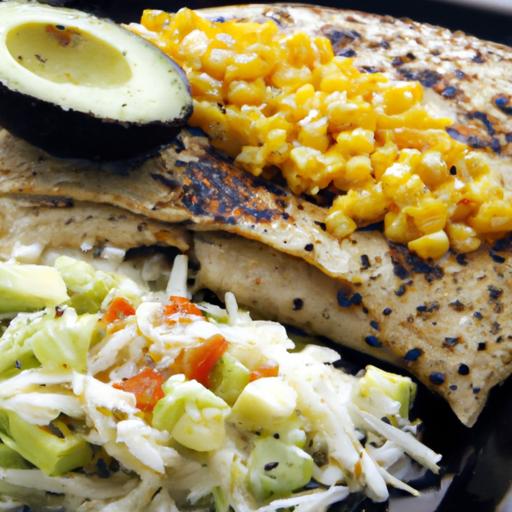
Present these quesadillas warm, paired with freshly sliced avocado and a vibrant pico de gallo. A side of pickled jalapeños complements the earthy flavors superbly, while a simple agua fresca, such as horchata or tamarind water, refreshes the palate. For a festive touch,sprinkle toasted pumpkin seeds (pepitas) atop the quesadillas or crema garnish,adding satisfying crunch and visual appeal.
| Nutritional Facts (per serving) | Amount |
|---|---|
| Calories | 320 kcal |
| Protein | 12 g |
| carbohydrates | 28 g |
| Fat | 14 g |
For a deeper dive into traditional Mexican cheeses perfect for pairing, check out our Complete Guide to Mexican Cheeses. To learn more about huitlacoche’s cultural roots and its role in Mexican agriculture, the Library of Congress offers valuable insights.

Q&A
Q&A: Savoring Quesadilla de Huitlacoche – Mexico’s Corn Truffle Delight
Q1: What is huitlacoche, and why is it called Mexico’s corn truffle?
A1: Huitlacoche (pronounced wee-tla-CO-cheh) is a unique fungus that grows on ears of corn, transforming the kernels into soft, black, and earthy growths. This unexpected transformation has earned it the nickname “Mexican truffle” because of its rich,smoky flavor and gourmet status. Much like the prized european truffle, huitlacoche is celebrated for elevating humble ingredients into culinary treasures.
Q2: How did huitlacoche become a beloved ingredient in Mexican cuisine?
A2: While some farmers once saw huitlacoche as a crop disease, indigenous cultures and early Mexicans quickly recognized its flavorful potential. For centuries, huitlacoche has been harvested and savored in various traditional dishes. Its cultural roots run deep, tying together history, nature, and gastronomy in a way that honors the land and its bounty.
Q3: What makes the quesadilla de huitlacoche so special?
A3: The quesadilla de huitlacoche is a simple yet extraordinary fusion of textures and tastes. Soft, warm corn tortillas cradle a melty filling of huitlacoche and cheese, often enhanced with sautéed onions, garlic, and chilis. The dish balances the earthiness of huitlacoche with creamy, mild cheese, all wrapped in the comforting embrace of homemade masa. It’s rustic, rich, and deeply satisfying.
Q4: Can you describe the flavor profile of huitlacoche?
A4: Imagine a smoky, umami-packed treasure with hints of sweet corn and mushroom.Huitlacoche’s flavor is complex but inviting-earthy like a forest floor after rain, with subtle notes that are both nutty and slightly sweet. When cooked, it develops a creamy texture, offering a mouthfeel that’s equally luscious and comforting.Q5: How is a traditional quesadilla de huitlacoche prepared?
A5: First, fresh huitlacoche is gently sautéed with aromatic ingredients like garlic, onions, and epazote-a classic Mexican herb known for its unique flavor. Cheeses like Oaxaca or panela are melted alongside to create a gooey filling. The mixture is spooned onto handmade corn tortillas, folded, and toasted on a comal (a flat griddle) until golden and fragrant. The result is a quesadilla that practically melts in your mouth.
Q6: Where can someone try authentic quesadilla de huitlacoche?
A6: While many high-end restaurants now feature huitlacoche, the truly authentic experience is found in Mexico’s street markets and family-run eateries, especially in central regions like Puebla and Mexico City. there, quesadillas de huitlacoche are served fresh off the griddle, paired with salsas that accentuate thier natural earthiness.For adventurous food lovers worldwide, seeking out local Mexican markets or specialty suppliers can open the door to this delicacy.
Q7: Is huitlacoche seasonal or available year-round?
A7: Huitlacoche season aligns with the corn growing cycle,typically appearing from late summer through early fall. While fresh huitlacoche offers the best flavor and texture, it is indeed also available canned or frozen in specialty stores, allowing its unique taste to be enjoyed year-round by those eager to experiment in the kitchen.
Q8: Beyond quesadillas, how else can huitlacoche be enjoyed?
A8: Huitlacoche’s versatility is stunning. It can star in soups, tamales, enchiladas, and even savory crepes. Its deep umami profile pairs well with cheeses, chilies, and herbs, making it a wonderful addition to risottos, tacos, and sauces. Chefs worldwide are now embracing huitlacoche, showcasing it in innovative dishes that pay homage to its ancient roots.
Q9: Are there any nutritional benefits to huitlacoche?
A9: Absolutely! Huitlacoche is rich in lysine,an essential amino acid often limited in corn-based diets,making it a valuable source of protein. It’s high in fiber and antioxidants, which promote digestive health and combat oxidative stress. So, indulging in quesadillas de huitlacoche is not just a treat for the palate but a boost for your well-being.
Q10: How can someone new to huitlacoche approach tasting it?
A10: Approach huitlacoche with an open mind and a curious palate. Start with a simple quesadilla to let its flavor shine without overwhelming spices. Pair it with fresh salsa verde or a squeeze of lime to brighten the earthiness. As you savor each bite, let the rich, silky texture and smoky notes unfold-a flavorful revelation into Mexico’s culinary heritage.
Insights and Conclusions
As the rich, earthy aroma of huitlacoche fills the air and the golden, crisp quesadilla reveals its tender, savory treasure, you’re reminded that Mexico’s culinary traditions are a dance of nature and culture-bold, unexpected, and deeply satisfying. Savoring a quesadilla de huitlacoche isn’t just about tasting a dish; it’s about embracing a unique ingredient that transforms simple corn into a truffle-like delicacy, connecting you with the land and history in every bite. Whether you’re a curious foodie or a seasoned epicurean, this humble yet exquisite treat invites you to explore the vibrant flavors that define Mexico’s rich gastronomic heritage-one quesadilla at a time.