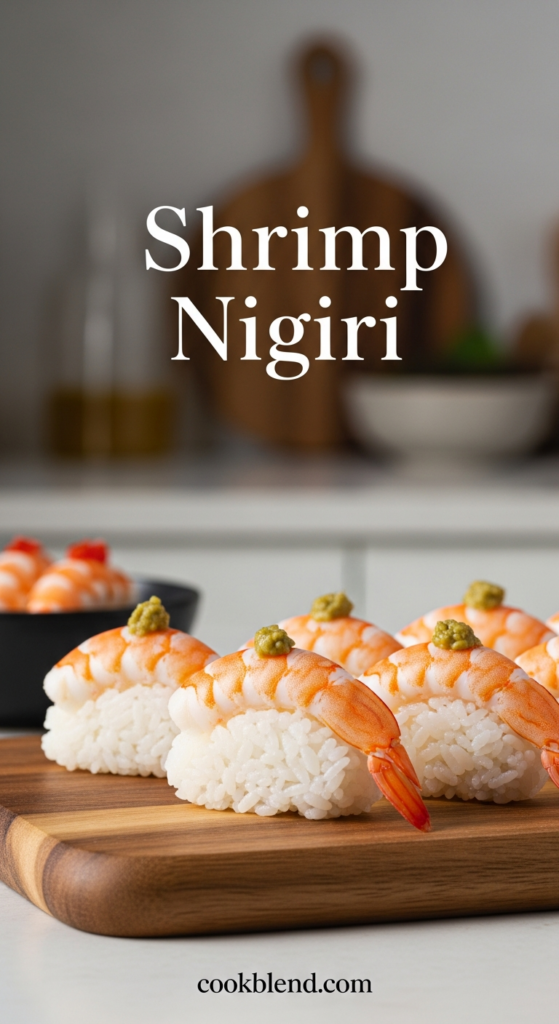

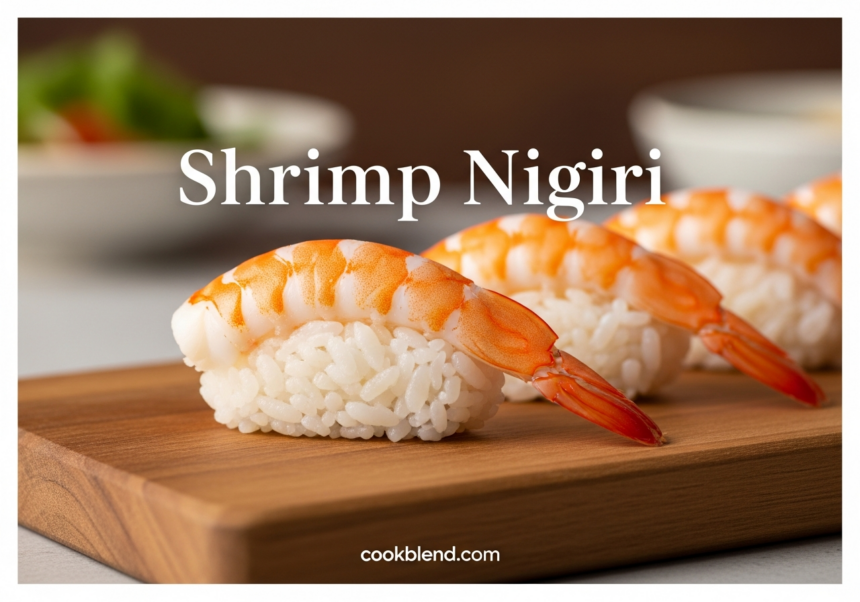
Beneath the delicate sheen of vinegared rice and the subtle sweetness of fresh shrimp lies a story as rich and layered as the sushi itself. Shrimp nigiri, a beloved staple in sushi tradition, offers more than just a bite of seafood-it invites us on a flavorful journey deep into the heart of Japanese culinary artistry. From ocean to table, this simple yet elegant creation captures the essence of balance, freshness, and craftsmanship that define sushi’s timeless appeal. Join us as we embark on a delightful dive into the world of shrimp nigiri, uncovering its origins, preparation, and the cultural significance that makes it a cherished favorite among sushi connoisseurs worldwide.
shrimp nigiri stands as an exquisite expression of sushi craftsmanship, drawing enthusiasts and novices alike into the elegant world of Japanese cuisine. celebrated for its delicate balance of sweetness,texture,and subtle umami,shrimp nigiri embodies simplicity with profound flavor. This dish, with origins deeply rooted in Edo-period Tokyo, captivates with a tender, slightly firm shrimp crown perched atop perfectly seasoned vinegared rice, inviting every bite to be a moment of sensory delight.
Prep and Cook Time
Preparation: 20 minutes
cooking: 10 minutes
Total: 30 minutes
Yield
Serves 4 (approximately 12 pieces)
Difficulty Level
Medium – requires basic sushi techniques and handling fresh seafood
Ingredients
- 12 fresh shrimp (preferably botan or amaebi, peeled and deveined, tails intact)
- 2 cups sushi rice, cooked and seasoned with sushi vinegar
- 3 tbsp sushi vinegar (rice vinegar, sugar, and salt mixed)
- Wasabi paste, for spreading (optional but traditional)
- pickled ginger, for serving
- Soy sauce, for dipping
- Fresh shiso leaves or nori strips, for garnish (optional)
Instructions
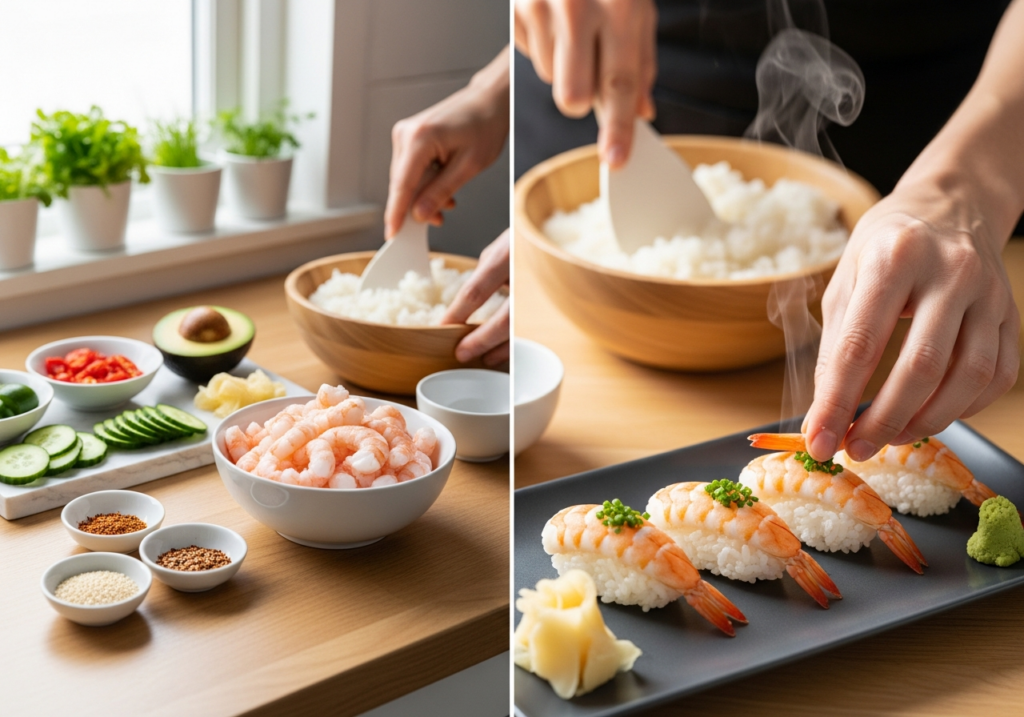
- Prepare the Shrimp: Rinse the shrimp under cold water. Using a sharp knife, carefully butterfly the shrimp by slicing horizontally without cutting thru completely. Gently press to flatten slightly, preserving the natural curve for a lovely presentation.
- Cook the Shrimp: Bring a pot of salted water to boil. Blanch the shrimp for just 30 seconds until they turn pink and opaque, then instantly plunge into ice water to halt cooking and maintain a firm texture. Drain and pat dry with paper towels.
- Season the Sushi Rice: While the shrimp cool, fluff your cooked sushi rice gently with a wooden paddle in a spacious bowl. Gradually fold in sushi vinegar, mixing carefully to coat each grain with a delicate shine and tangy aroma.
- Shape the Nigiri: With moistened hands (to prevent sticking), scoop about 20 grams of sushi rice and form an oblong mound, compact but not tightly packed.Lightly dab a small dot of wasabi on the rice’s surface-this enhances the flavor connection between rice and shrimp.
- Assemble: Lay each shrimp on top of the rice mound, pressing gently to adhere. Ensure the shrimp curves outward elegantly, showcasing its vibrant color and glossy finish.
- Garnish and Serve: Optionally, decorate the plate with fresh shiso leaves or thin nori strips to add an herbal note and visual depth. Serve immediately with pickled ginger and soy sauce on the side for dipping.
Chef’s Notes and Tips for Success
- Selecting fresh Shrimp: The freshness of your shrimp is paramount. look for shrimp with a translucent sheen and mild ocean aroma. Avoid any with a pungent or ammonia-like smell. If available, opt for amaebi (sweet shrimp) for a soft, buttery texture.
- Rice Consistency: The sushi rice should be sticky enough to hold its form but remain fluffy. Avoid compressing the rice too tightly as it will result in a dense bite, detracting from the lightness intrinsic to shrimp nigiri.
- Wasabi Placement: While optional, placing a minimal amount of wasabi between the rice and shrimp brightens the flavor palette without overwhelming the delicate shrimp sweetness.
- Make-Ahead: For best results, prepare the rice fresh and assemble nigiri just before serving. Shrimp can be poached earlier and chilled, but avoid leaving raw shrimp exposed for extended periods.
- Variations: For a modern twist,lightly torch the shrimp to introduce a subtle smokiness or brush a thin layer of soy glaze to deepen the umami profile.
Serving Suggestions
Present your shrimp nigiri on a minimalist sushi board or a sleek, dark slate platter to accentuate the pink hues of the shrimp. garnish with finely sliced green scallions, a few sprigs of microgreens, or edible flowers to add contrast and freshness. Accompany with a small bowl of soy sauce infused with yuzu or fresh grated ginger to elevate traditional dipping. For a beverage, a crisp, cold sake or a jasmine green tea perfectly complements the light sweetness and texture of the shrimp nigiri.
| Nutrient | Per Serving (3 pieces) |
|---|---|
| Calories | 140 kcal |
| Protein | 18 g |
| Carbohydrates | 22 g |
| Fat | 0.5 g |

For a deeper dive into sushi rice preparation techniques, explore our Ultimate Guide to Sushi Rice. To understand more about seafood freshness and safety, the FDA’s Seafood Safety Guidelines offer invaluable insights.
Q&A
Q&A: Shrimp Nigiri – A Delightful Dive into Sushi Tradition
Q1: What is Shrimp Nigiri?
A1: Shrimp Nigiri is a classic type of sushi consisting of a hand-pressed mound of vinegared rice topped with a succulent piece of shrimp. Its simplicity belies its elegance-each bite offers a harmonious balance of tender seafood and perfectly seasoned rice,making it a beloved treat in traditional sushi cuisine.
Q2: How did Shrimp Nigiri become a sushi staple?
A2: Originating from Edo-period Japan, nigiri sushi was developed as a quick, flavorful meal for busy Tokyoites. Shrimp, being both accessible and visually appealing with its natural pink hue, naturally became a favored topping. Over time, Shrimp Nigiri has evolved from street food to a refined delicacy enjoyed worldwide.
Q3: What types of shrimp are used in Shrimp Nigiri?
A3: Typically, sweet shrimp (amaebi) or boiled white shrimp are used. Amaebi offers a sweet, creamy flavor and is often served raw, while cooked tiger or white shrimp provide a firmer texture and mild taste. Both varieties highlight the artistry of balancing freshness with flavor.
Q4: How should Shrimp Nigiri be eaten for the best experiance?
A4: Traditionally, Shrimp Nigiri is enjoyed in one bite to savor the perfect synergy of rice and shrimp. Lightly dip the shrimp side-not the rice-into soy sauce to avoid oversaturation. Complement with a dab of wasabi or pickled ginger to awaken your palate.
Q5: What makes Shrimp Nigiri a meaningful connection to sushi tradition?
A5: Beyond its taste, Shrimp Nigiri embodies the essence of sushi craftsmanship-respect for natural ingredients, meticulous preparation, and a festivity of seasonal bounty. It offers a delightful window into Japan’s cultural heritage, inviting both novices and connoisseurs to experience sushi’s timeless elegance.
Q6: Can Shrimp Nigiri be adapted for modern palates?
A6: Absolutely! Contemporary chefs sometimes experiment by adding subtle twists-like avocado slices, citrus-infused soy, or tempura flakes-while preserving the nigiri’s core identity. These innovations keep the tradition vibrant, illustrating sushi’s dynamic spirit without losing sight of its roots.
Q7: Where can one try authentic Shrimp Nigiri?
A7: For the purest experience, visit traditional sushi bars or omakase restaurants where skilled chefs prepare shrimp with precision and care. Freshness is key, so coastal cities with access to quality seafood frequently enough offer the best renditions of this classic dish.
Dive into the world of Shrimp Nigiri and discover how a humble piece of shrimp atop a rice ball captures centuries of Japanese culinary artistry-every mouthful a delightful voyage through sushi tradition.
To Conclude
as the delicate sweetness of shrimp nigiri continues to captivate sushi enthusiasts worldwide, it remains a shining testament to the artful simplicity at the heart of traditional Japanese cuisine.This humble yet elegant dish invites us not only to savor its flavors but also to appreciate the craftsmanship and cultural heritage that elevate each bite. Whether you are a seasoned sushi lover or a curious newcomer, exploring shrimp nigiri is a delightful dive into a timeless tradition-one that celebrates freshness, balance, and the enduring joy of culinary artistry. So next time you find yourself at a sushi bar, let shrimp nigiri be your guide into a world where tradition meets taste in perfect harmony.