
In a world brimming with culinary marvels, few pleasures captivate the senses quite like candy and chocolate. Often dubbed “the sweet science,” the art and craft behind these delightful treats blend tradition, innovation, and a sprinkle of magic. From the origins of ancient cacao pods to today’s artisanal confections, candy and chocolate tell a rich story of culture, chemistry, and creativity. This article embarks on a delicious journey through the captivating world of sweets, uncovering secrets behind their irresistible flavors, textures, and the meticulous processes that transform simple ingredients into moments of pure bliss. Whether you’re a curious foodie or a dedicated chocoholic, get ready to explore the delectable universe where science and sweetness meet.
The Sweet Science: Exploring Candy and Chocolate Delights
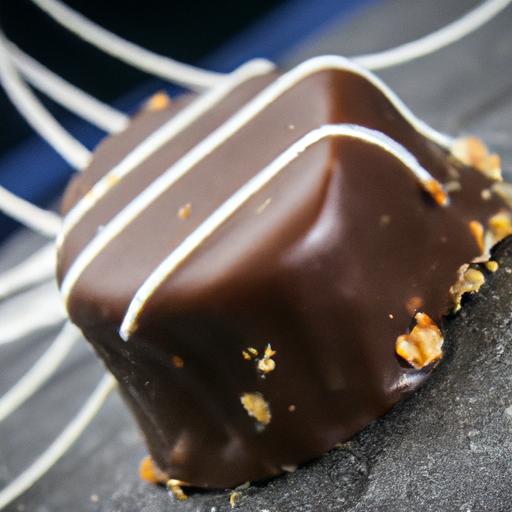
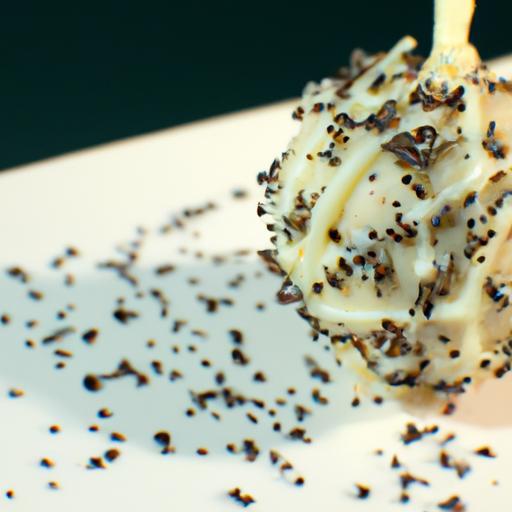
The Sweet Science of crafting candy and chocolate delights has fascinated connoisseurs and curious food lovers alike for centuries. From the ancient cacao ceremonies of Mesoamerica to the refined European chocolatiers of today,these treats embody a rich tapestry of culture,innovation,and indulgence. This recipe not only invites you to dive into the artful process behind a classic chocolate ganache truffle but also connects you to the deep roots and vibrant evolution of candy traditions worldwide.
Prep and Cook Time
Prep: 20 minutes | Chill: 2 hours | Total: 2 hours 20 minutes
Yield
Approximately 24 truffles (serves 6-8)
Difficulty Level
Medium
Ingredients
- 8 oz bittersweet chocolate, finely chopped (70% cocoa recommended)
- 1/2 cup heavy cream
- 2 tbsp unsalted butter, softened
- 1 tsp pure vanilla extract
- 1/4 cup cocoa powder, for dusting
- Optional coatings: finely chopped toasted nuts, shredded coconut, sea salt flakes
Instructions
- heat the cream: In a small saucepan, gently warm the heavy cream over medium heat until it just starts to simmer – bubbles should form at the edges but do not let it boil.
- Combine with chocolate: Pour the hot cream over the chopped bittersweet chocolate in a heatproof bowl. Let it sit for 2-3 minutes to soften the chocolate.
- Mix until smooth: using a rubber spatula, gently stir the chocolate and cream together in small circles starting from the center until fully incorporated and silky smooth.
- Add butter and vanilla: Fold in the softened butter and vanilla extract to enrich the ganache with a glossy finish and subtle depth of flavor.
- Chill the ganache: Cover the bowl with plastic wrap and place it in the fridge for at least 2 hours or until firm enough to scoop.
- Form the truffles: Using a melon baller or teaspoon, scoop small amounts of ganache and quickly roll between your palms to form smooth, round balls. Work swiftly to avoid melting.
- Coat truffles: roll the formed truffles in cocoa powder or your choice of coatings. For a professional touch, chill coated truffles briefly to set the exterior.
- Store appropriately: Place finished truffles in an airtight container and refrigerate; best enjoyed within 7 days. Bring to room temperature before serving for melt-in-your-mouth softness.
Chef’s Notes
- Ganache texture: For a creamier ganache, increase the cream to 2/3 cup. For a firmer filling, reduce it slightly.
- Flavor twists: Enhance with espresso powder, chili flakes, or a splash of liqueur such as Grand Marnier or Frangelico to add complexity.
- Dark chocolate quality: Using high-quality chocolate is essential-the flavor of your truffles hinges on it.
- Make-ahead tip: Ganache can be prepared up to 3 days in advance and kept refrigerated, allowing busy cooks to spread out their confectionery endeavors.
- Troubleshooting: If ganache seizes or becomes grainy, gently reheat over a warm water bath while stirring until silky again.
Serving Suggestions
Present these luxurious truffles on a slate platter or in delicate paper cups,garnished with edible gold leaf,fresh mint sprigs,or a sprinkle of fleur de sel. Pair with a bold red wine like a Cabernet Sauvignon, or a fragrant black tea such as Earl gray to accentuate the intense cocoa flavors. These bite-sized jewels also make exquisite gifts, wrapped in parchment and tied with satin ribbons for a personal touch.

| Nutrient | Per serving (3 truffles) |
|---|---|
| calories | 210 kcal |
| Protein | 3 g |
| Carbohydrates | 18 g |
| Fat | 15 g |
Flavor Profiles and Pairing Tips for Ultimate Indulgence
Mastering The Sweet Science begins with understanding how each ingredient harmonizes to create layers of flavor and texture. Bittersweet chocolate offers a deep, slightly fruity bitterness balanced by the rich creaminess of the ganache. Dusting the truffles in cocoa powder adds a rustic dry note, while optional nut coatings introduce a crunchy counterpoint and aromatic warmth.
When it comes to pairing, think contrast and complement. A robust espresso sharpens sweetness and elevates the chocolate’s fruity notes, while fresh berries provide a radiant acidity that cuts through the ganache’s richness. Consider serving alongside a dense port or a delicate champagne for celebratory indulgence. Explore pairing with international interpretations of chocolate desserts by visiting our collection of global chocolate recipes.
For a deeper dive into chocolate’s history and science, the World Cocoa foundation offers excellent resources on lasting cacao farming and the global impact of chocolate production.
Q&A
Q&A: The Sweet Science – Exploring Candy and Chocolate Delights
Q1: What exactly is meant by “The Sweet Science”?
A1: “The Sweet Science” is a playful nickname for the fascinating world of candy and chocolate. Just as boxing has earned that moniker for its blend of strategy and skill, candy-making combines culinary art with chemistry and craftsmanship. From tempering chocolate to crafting sugar crystals, it’s where creativity meets precision, resulting in delightful treats that tantalize our taste buds.
Q2: How did candy and chocolate become so beloved around the world?
A2: Candy and chocolate have rich histories rooted in culture and innovation. Chocolate began as a bitter drink in ancient Mesoamerica, revered by the Mayans and Aztecs before traveling to Europe and evolving into the sweet confections we certainly know today. Sugar confections date back thousands of years, with early civilizations dabbling in crystallized honey and fruit preserves. Over centuries, improved techniques, globalization, and the power of sweet indulgence have made candy and chocolate iconic symbols of joy and festivity worldwide.Q3: What’s the science behind making perfect chocolate?
A3: Making perfect chocolate is a delicate dance of temperature, time, and technique. The crucial step-tempering-ensures cocoa butter crystals form in a stable structure, giving chocolate its shiny finish and satisfying snap. Without tempering, chocolate can appear dull or develop a whitish bloom.Additionally, balancing sugar, cocoa solids, and milk components determines the final flavor and texture, making every bar or bonbon a masterpiece of edible chemistry.Q4: Why does chocolate melt so beautifully in your mouth?
A4: Chocolate’s magic melting moment is thanks to cocoa butter, which has a unique melting point just below human body temperature (around 34-38°C or 93-100°F). This means that as soon as chocolate touches your tongue, it swiftly melts, releasing a symphony of aromas and flavors. This smooth transition from solid to liquid creates that luxurious mouthfeel and sensory pleasure chocolate is famed for.
Q5: What are some surprising health benefits of candy and chocolate?
A5: While candy is often seen as pure indulgence, dark chocolate, in particular, boasts some health-boosting properties. Rich in antioxidants called flavonoids, it can support heart health by improving blood flow and lowering inflammation. Moderate consumption has been linked to mood enhancement, thanks to compounds like phenylethylamine and serotonin precursors. Of course, moderation is key-too much sugar can offset these benefits!
Q6: How do artisans create those intricate, colorful candy designs?
A6: Candy artisans wield science and art like a paintbrush and palette. using techniques like sugar pulling, spinning, and dipping, they manipulate molten sugar or chocolate while it’s pliable. Adding natural dyes, edible paints, and carefully controlled temperatures enables the creation of vibrant swirls, delicate shapes, and shimmering finishes. Each piece is a mini sculpture,made to delight both eyes and palate.
Q7: What’s the future of candy and chocolate in the age of innovation?
A7: The future is sweet and sustainable! Advances in food science are introducing plant-based chocolates and sugar alternatives,making confections kinder to our bodies and the planet. 3D printing brings new possibilities for intricate designs, while technology allows flavor customization and experiential treats (think chocolates that change flavor as you eat!). The Sweet Science is evolving, blending tradition with imagination to create next-level delights.
Whether you savor a humble gummy bear or a decadent truffle, the sweet science behind these treats is a testament to human creativity, culture, and curiosity-one delicious bite at a time.
The Conclusion
As we unwrap the final layers of this exploration into the world of candy and chocolate, it’s clear that these sweet delights are far more than mere treats-they are a rich tapestry of history, culture, and craftsmanship. From the ancient origins of cacao to modern innovations in confectionery artistry, candy and chocolate continue to captivate our senses and spark joy across generations. So next time you savor a piece of your favorite sweet, remember the journey it took to reach your palate-a journey steeped in tradition, science, and a touch of magic. In the realm of the sweet sciences,every bite tells a story worth savoring.