
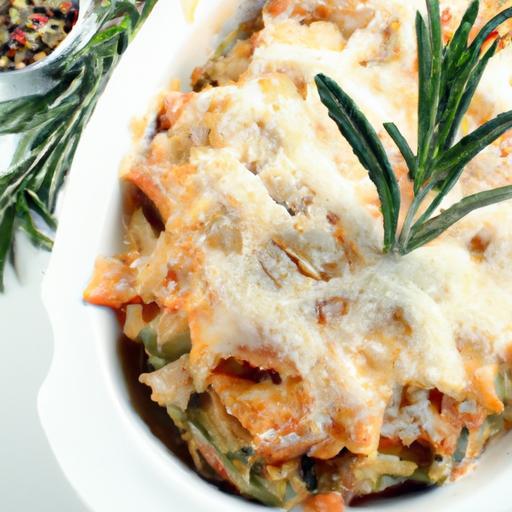
Timballo di Pasta
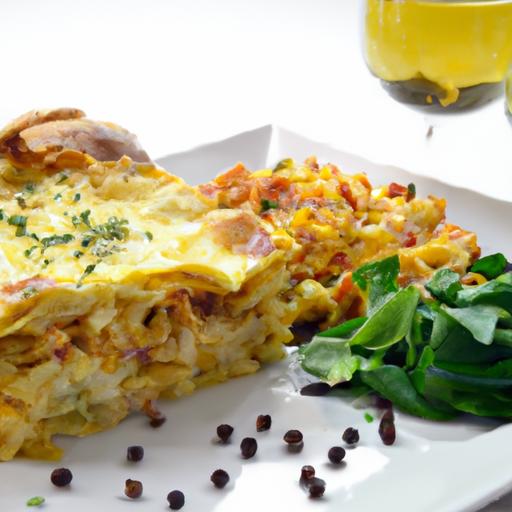
Timballo di Pasta is a traditional Italian dish known for its comforting layers of pasta, sauce, and cheese. Many families serve Timballo di Pasta during celebrations or Sunday meals. With Timballo di Pasta, you get a hearty, elegant dish that feels both rustic and special. Whether enjoyed fresh from the oven or reheated, Timballo di Pasta delivers warmth and flavor every time.
Why People Love Timballo di Pasta
Fans of Timballo di Pasta appreciate its rich texture, layered ingredients, and satisfying depth. Timballo di Pasta often includes tomato sauce, mozzarella, and sometimes vegetables or meat. The beauty of Timballo di Pasta is its flexibility — each region has its own version. No matter how it’s prepared, Timballo di Pasta brings comfort to the table.
How to Serve Timballo di Pasta
Serve Timballo di Pasta with a simple salad, crusty bread, or a light glass of wine. Leftovers of Timballo di Pasta taste delicious the next day. Whether cooked for family, guests, or meal prep, Timballo di Pasta always feels like a celebration.
Prep and Cook Time
- Readiness: 45 minutes
- Cooking: 1 hour
- Total: 1 hour 45 minutes
Yield
Serves 6 generous portions
Difficulty Level
medium – Ideal for cooks comfortable with layering techniques and moderate multitasking
Essential Ingredients for an Authentic Timballo di Pasta
- 400g (14 oz) rigatoni or penne pasta, cooked al dente
- 2 cups ricotta cheese, well-drained
- 1½ cups mozzarella cheese, shredded
- 150g (5 oz) pancetta, diced
- 3 large eggs
- 1½ cups grated Parmesan cheese
- 500g (17 oz) ground beef or veal
- 700ml (24 fl oz) rich tomato sauce, homemade or quality store-bought
- 2 cloves garlic, minced
- 1 medium onion, finely chopped
- 1 teaspoon ground cinnamon
- 1 teaspoon dried oregano
- Fresh basil leaves, chopped
- Salt and freshly ground black pepper, to taste
- Olive oil, for sautéing
- butter and breadcrumbs, for greasing and dusting the baking dish
- Optional: Some conventional recipes include hard-boiled eggs sliced, peas, or pine nuts for added texture and flavor
Traditional Variations to Capture Authentic Flavors
Timballo di Pasta showcases regional variations.In some Sicilian households, peas, mushrooms, or even eggplant layers are added to honor seasonal vegetables. The incorporation of pine nuts and sultanas pays homage to Arab influences, creating a subtle sweetness that balances the savory meat ragu. Pancetta might potentially be substituted with cured Sicilian salami, and the ricotta can be replaced with fresh caciocavallo for a different cheesy complexity. Whichever variation you choose, the key is achieving a harmonious medley between the rich ragu, creamy cheese, and perfectly baked pasta.
Step-by-Step Guide to Preparing the Perfect Timballo di Pasta at Home
- Preheat your oven to 375°F (190°C). Butter a deep, round baking dish (about 10-inch diameter) and dust it with breadcrumbs to ensure a crisp, golden exterior.
- Cook the pasta</> in salted boiling water until just al dente. Drain, toss with a drizzle of olive oil to avoid sticking, and set aside.
- prepare the meat ragu: Heat olive oil in a large skillet over medium heat. add the pancetta and cook until crispy, about 5 minutes. Stir in onion and garlic, sautéing until translucent.
- Add the ground beef and cook, breaking it up with a spoon, until browned and cooked through, about 8 minutes. Season with salt, pepper, oregano, and cinnamon. Pour in the tomato sauce and simmer gently for 20 minutes, stirring occasionally to deepen the flavors.
- In a mixing bowl, combine ricotta cheese, beaten eggs, and half the Parmesan cheese. Add chopped basil and a pinch of salt, mixing gently to form a creamy filling.
- Layering: Begin by spreading a thin layer of ragu on the bottom of your prepared dish. Add a layer of pasta, spreading evenly. Dollop and spread a layer of the ricotta mixture, sprinkle mozzarella, then cover with ragu.Repeat layers, finishing with a generous sprinkling of Parmesan and a few small knobs of butter for an irresistible crust.
- Bake uncovered for 45 minutes until the top is golden brown and bubbling.For a beautifully browned top, place under the broiler for an additional 2-3 minutes, watching carefully.
- Rest the timballo for 10 minutes before slicing-this allows the layers to settle and the flavors to meld perfectly.
Chef’s Notes and Tips for Success
- Drain your ricotta well using cheesecloth or a fine sieve overnight if possible, to prevent excess moisture and watery layers.
- For a vegetarian twist, opt for sautéed mushrooms, eggplant, and zucchini in place of the meat ragu.
- Hard-boiled eggs,sliced thinly,add a stunning visual layer and lovely texture contrast.
- Make ahead: Timballo di Pasta improves with resting; prepare a day in advance and refrigerate before baking to deepen flavors.
- Use quality tomato sauce: A slow-cooked, homemade sauce infused with fresh herbs elevates this dish beyond the ordinary.
Serving Suggestions to Elevate Your Sicilian Feast
Present slices of Timballo di Pasta on warm plates, showing off the beautiful strata of pasta, ragu, and cheese. Garnish with fresh basil leaves and a light drizzle of extra virgin olive oil for added richness. Pair with a crisp Sicilian white wine like Grillo or Inzolia, whose bright acidity balances the dish’s richness.
Complement with a simple arugula salad tossed in lemon vinaigrette to refresh the palate. For authentic ambiance, serve alongside a basket of crusty Sicilian bread to soak up every last drop of sauce.

| Nutritional Info (per serving) | Calories | Protein | Carbs | Fat |
|---|---|---|---|---|
| Timballo di Pasta | 620 kcal | 35g | 65g | 22g |
For an in-depth dive into classic Sicilian sauces that complement timballo di Pasta, check out our guide to Sicilian tomato sauces. Additionally, discover more culinary history and authentic recipes from Sicily on Italy Heritage’s Sicily Cuisine page.
Q&A
Q&A: Timballo di pasta – Sicily’s Irresistible Baked Pasta Delight
Q1: What exactly is Timballo di pasta?
A1: Timballo di Pasta is sicily’s show-stopping baked pasta masterpiece. Imagine layers of perfectly cooked pasta mingling with rich tomato sauce, savory meats, gooey cheeses, and often vegetables, all enveloped in a golden, crispy crust. It’s a comforting, hearty dish that’s as much a feast for the eyes as it is indeed for the palate.
Q2: Where does timballo di Pasta originate from?
A2: This iconic dish hails from Sicily, an island famed for its vibrant culinary heritage. timballo (sometimes called “timpano”) showcases the island’s tradition of combining diverse textures and bold flavors, reflecting Sicily’s melting pot of Mediterranean influences.Q3: how is Timballo di Pasta traditionally prepared?
A3: Traditionally, cooked pasta-often penne or spaghetti-is layered with ragù (a rich meat sauce), peas, hard-boiled eggs, cheese like pecorino or mozzarella, and sometimes meatballs or sliced ham.These layers are packed into a mold lined with pasta sheets or pastry,then baked until the exterior crisps to a beautiful golden brown.
Q4: What makes Timballo di Pasta different from other baked pastas?
A4: The magic of Timballo lies in its elegant presentation and structural complexity. Unlike a simple baked ziti or lasagna,Timballo is like a pasta cake-carefully set in a mold-making it both a rustic crowd-pleaser and a centerpiece-worthy dish. Each bite offers a harmonious blend of textures: creamy, chewy, crispy, and tender.
Q5: Can Timballo di Pasta be customized for different tastes?
A5: Absolutely! While the classic Sicilian recipe is beloved, creativity is encouraged. Vegetarians can swap meats for mushrooms and artichokes, or add fresh herbs for brightness. Some versions use eggplant or zucchini for extra depth. The key is layering flavors that meld beautifully during baking.
Q6: When is Timballo di Pasta typically served?
A6: Timballo is often reserved for special occasions, festive gatherings, or Sunday family meals in Sicily. Its celebratory nature and notable appearance make it perfect for holidays or dinner parties, where sharing this baked pasta delight becomes a joyous communal experience.
Q7: How can a home cook get started making Timballo di Pasta?
A7: Start by mastering a good ragù and cooking your pasta just shy of al dente.Layer flavors in a well-greased mold or deep baking dish, ensuring each layer is flavorful and balanced. Don’t rush the baking-the magic happens as the ingredients meld and the crust crisps. And most importantly,enjoy the process; Timballo is as much about love and tradition as it is indeed about cooking.
Discovering Timballo di Pasta is like uncovering a appetizing secret hidden in Sicily’s culinary treasure chest-each slice tells a story of sun-drenched kitchens, family bonds, and the enduring joy of sharing great food. Ready to bake your way to Sicily’s heart?
Closing Remarks
In the grand tapestry of sicilian cuisine, Timballo di pasta stands out as a vibrant, comforting masterpiece-a baked symphony of flavors and textures that tells stories of tradition, family, and island heritage. Whether nestled within the walls of a bustling Palermo kitchen or served at a festive gathering, this irresistible dish invites you to savor not just a meal, but a slice of Sicily’s heart. So next time you crave something both hearty and enchanting,let Timballo di Pasta transport your taste buds to sun-soaked shores,where every bite is a celebration of time-honored craft and culinary passion.