
in the delicate world of Japanese cuisine, few dishes embody simplicity and sophistication quite like tuna sashimi. Stripped of all adornments, this pristine slice of oceanic brilliance invites us to savor the purest essence of flavor and texture. “Tuna Sashimi: Exploring the Art and Taste of Pure Elegance” delves into the meticulous craft behind selecting, slicing, and presenting this culinary jewel-where skill meets tradition to transform humble tuna into an exquisite experience. Join us as we uncover the secrets that elevate tuna sashimi from mere food to an art form celebrated for its refined taste and understated beauty.
Tuna sashimi: A Journey From Ocean to Plate
Tuna sashimi is a sublime party of oceanic purity and culinary precision, embodying the essence of Japanese tradition while inviting modern creativity. from its origins in the pristine blue waters where the tuna swim freely, to the delicate slice that graces yoru plate, this dish represents an artful connection between nature and the skilled hands that prepare it. My first experience tasting exquisite tuna sashimi in Tokyo was transformative-the melt-in-your-mouth texture and clean, rich flavor revealed the true magic of quality seafood and expert knife work.
Prep and Cook Time
- Preparation Time: 20 minutes
- Cook Time: 0 minutes (no cooking required!)
- Total Time: 20 minutes
Yield
Serves 4 elegantly composed sashimi portions
difficulty Level
Advanced: Requires precision knife skills and knowledge of fresh tuna selection
Ingredients
- 300g fresh sashimi-grade tuna loin,well-chilled and skin removed
- 2 tbsp soy sauce,preferably aged
- 1 tbsp freshly grated wasabi or high-quality wasabi paste
- 1 tsp toasted sesame seeds (optional)
- thinly sliced daikon radish,for garnish
- Shiso leaves,washed and patted dry
- Pickled ginger slices,for palate cleansing
- Sea salt flakes,a pinch to enhance tuna’s natural flavor
Instructions
- Prepare your workspace: Ensure your knife is exceptionally sharp-a sashimi knife or a long,thin yanagiba blade is ideal. Chill your serving plate before assembling to keep the sashimi cool and fresh.
- Inspect the tuna: Using your eye and fingers, check the tuna for any discoloration or imperfections. Fresh sashimi-grade tuna shoudl have a vibrant, deep red hue with a slight sheen and no strong fishy odor.
- Slice the tuna: Position the tuna loin on a clean cutting board. Using smooth, single strokes, slice against the grain at a 45-degree angle into 1/4 inch (6 mm) thick pieces. Aim for uniformity to create a visually stunning plate and optimal mouthfeel.
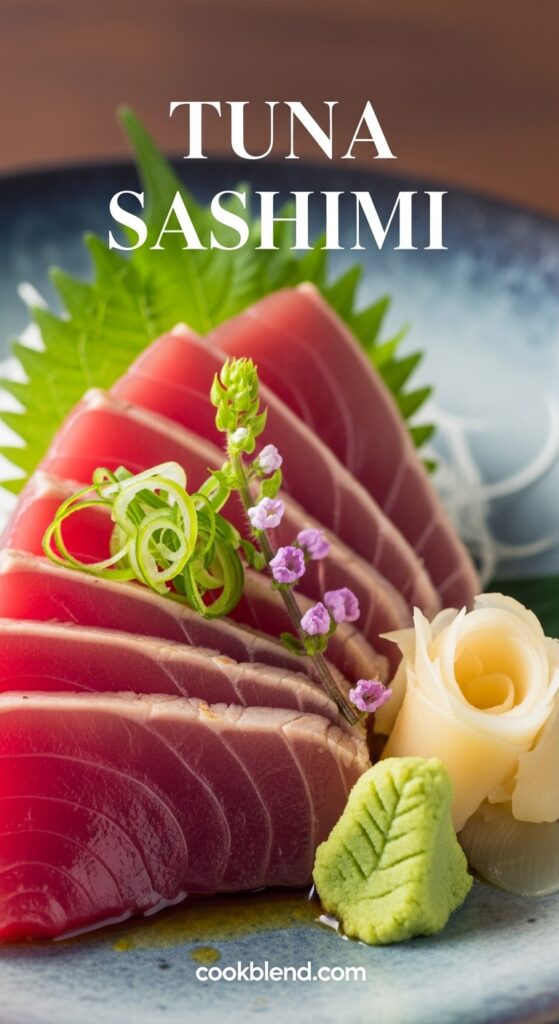
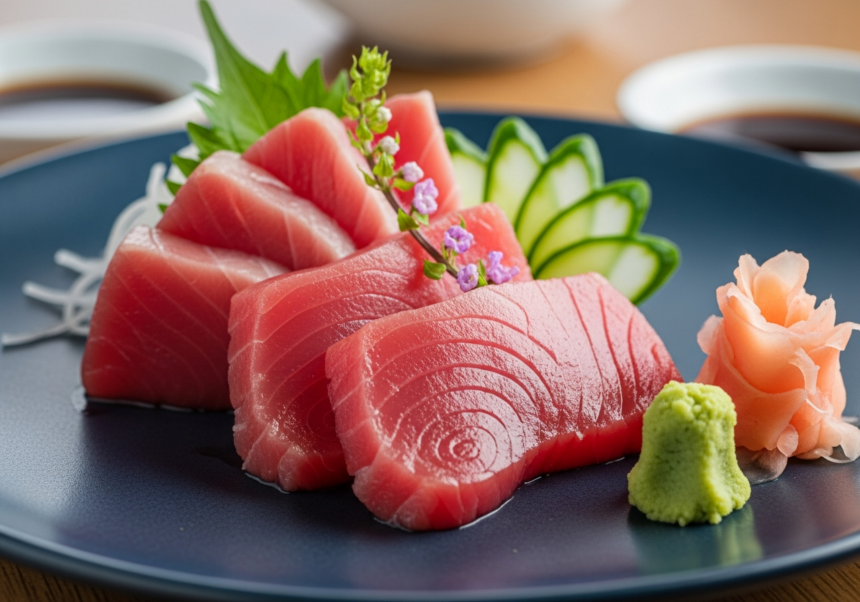
- Arrange thoughtfully: Place thinly sliced daikon radish on your chilled plate as a bed. Fan the tuna slices in a semi-circle on top,alternating with fresh shiso leaves for contrasting color and aroma.
- Season and garnish: Lightly sprinkle with sea salt flakes and toast sesame seeds over the top for an added nutty crunch. Add a dollop of freshly grated wasabi beside the sashimi, not on top, to preserve its pungency and flavor.
- Serve with dips and sides: Present soy sauce in a small ceramic bowl and include pickled ginger slices on the side to cleanse the palate between bites. Encourage diners to dip lightly and savor each slice.
Tips for Success
- Freshness is paramount: Purchase tuna sashimi from reputable fishmongers and consume the same day for the best quality and safety.
- Master your knife: Practice smooth slicing without sawing,as jagged edges compromise texture and presentation.
- Make it ahead: Keep sliced tuna wrapped tightly in plastic wrap over ice but serve within 1 hour to avoid loss of texture.
- Substitutions: If sashimi-grade tuna is arduous to find, opt for frozen-at-sea tuna from a trusted source and thaw slowly in the refrigerator.
- Pair thoughtfully: Complement the light ocean freshness with nuanced accents like yuzu kosho or a splash of ponzu sauce for modern zest.
Serving Suggestions
Present your tuna sashimi on a minimalist plate enhanced with traditional and modern garnishes. The crispness of shiso leaves adds an herbal note that is visually striking. For an elevated experience, add microgreens such as mitsuba or edible flowers to brighten the presentation. A drizzle of cold-pressed sesame oil or a touch of truffle zest provides a modern twist for the adventurous palate. Serve alongside chilled sake or a dry white wine like a Sauvignon Blanc to balance the rich umami.

| Nutrient | Per Serving (75g Tuna) |
|---|---|
| Calories | 133 kcal |
| Protein | 27g |
| Carbohydrates | 0g |
| Fat | 1g |
To deepen your appreciation of tuna sashimi and its unparalleled craftsmanship,explore our guide to perfect sushi rice. For more insight into enduring tuna fishing methods and quality standards, visit the Monterey Bay Aquarium Seafood Watch.
Q&A
Q&A: Tuna Sashimi – exploring the Art and taste of Pure Elegance
Q1: What makes tuna sashimi stand out among other sashimi varieties?
A1: Tuna sashimi captivates the palate with its harmonious balance of rich flavor and velvety texture. Unlike other sashimi, tuna offers layers of complexity-from the mild sweetness of the lean akami to the buttery decadence of fatty toro cuts-making each bite a nuanced experience of pure elegance.
Q2: How is the perfect tuna sashimi prepared?
A2: Crafting perfect tuna sashimi is an art form that begins with selecting the freshest fish, often caught the same day. Precision in slicing is paramount; experts use a sharp, swift knife to cut clean, thin slices that melt effortlessly on the tongue, preserving the fish’s delicate texture and amplifying its natural umami.
Q3: Why is the quality of the tuna so crucial in sashimi?
A3: Tuna quality determines sashimi’s entire flavor profile. Premium-grade tuna is deep red or pale pink, glistening and unmarred by oxidation. Its freshness ensures a clean taste free of fishiness, and the fat distribution enhances tenderness, making each slice a sublime testament to nature’s bounty.
Q4: What are the different cuts of tuna used in sashimi, and how do their flavors differ?
A4: The three prized cuts are akami (lean red meat), chutoro (medium-fat belly), and otoro (the fattiest belly portion). Akami offers a firm texture and mild taste; chutoro presents a balanced marriage of fat and meat that’s both rich and refreshing; otoro is decadently rich and buttery,often regarded as the pinnacle of sashimi luxury.
Q5: What role do accompaniments like wasabi and soy sauce play in the tuna sashimi experience?
A5: Accompaniments are the delicate enhancements that elevate sashimi. A dab of fresh wasabi adds a bright, spicy kick without overpowering the fish, while soy sauce introduces a salty umami note that complements tuna’s natural flavors. Together,they balance and highlight the sashimi’s intricate taste layers.
Q6: How has tuna sashimi influenced global culinary trends?
A6: Tuna sashimi’s global allure has sparked an admiration for minimalist, ingredient-focused dining. It inspired fusion dishes,from poke bowls to sushi burritos,and elevated the appreciation for raw fish worldwide,celebrating freshness and purity over embellishment-ushering in an era where simplicity epitomizes elegance.
Q7: can tuna sashimi be enjoyed by everyone? Are there any health considerations?
A7: While generally safe for most, consuming raw tuna requires attention to freshness to prevent foodborne illnesses. pregnant individuals and those with compromised immune systems should exercise caution. Additionally, due to tuna’s mercury content, moderation is advised to maintain a healthy balance.
Q8: What is the cultural importance of tuna sashimi in Japanese cuisine?
A8: In Japan,tuna sashimi is more than a dish-it’s a symbol of respect for the craftsmanship of fishing and culinary artistry. Celebrated in festivals and revered in upscale dining, it embodies Japanese values of seasonality, precision, and harmony, reflecting a deep connection between nature and the human sense of taste.
Q9: How can someone new to sashimi best appreciate tuna sashimi?
A9: Newcomers should start with mild, lean cuts like akami, savoring the clean taste without overwhelming richness. Take small bites,appreciating texture and subtle flavors before exploring fattier cuts. Pair with minimal soy sauce and wasabi to preserve the fish’s pure eloquence-and immerse in the serene pleasure of authentic sashimi.
Q10: what future innovations or trends might we expect in the world of tuna sashimi?
A10: Sustainability is steering the future,with responsible sourcing and farmed tuna gaining prominence. Innovative aging techniques and chef-led flavor experiments are emerging, promising new sensory dimensions while honoring tradition. Expect an evolving sashimi artistry-rooted in elegance, yet daring enough to embrace tomorrow’s palate.
Key Takeaways
As the delicate slices of tuna sashimi melt effortlessly on the palate, we are reminded that this culinary masterpiece is more than just a dish-it is an embodiment of tradition, precision, and respect for the ocean’s bounty. Exploring the art and taste of pure elegance in tuna sashimi invites us to appreciate the nuanced interplay of texture, flavor, and craftsmanship that transforms simple, fresh fish into a sublime experience. Whether you are a seasoned connoisseur or a curious newcomer, each bite offers a quiet moment to savor the beauty of simplicity perfected, a timeless tribute to the art of Japanese cuisine.