
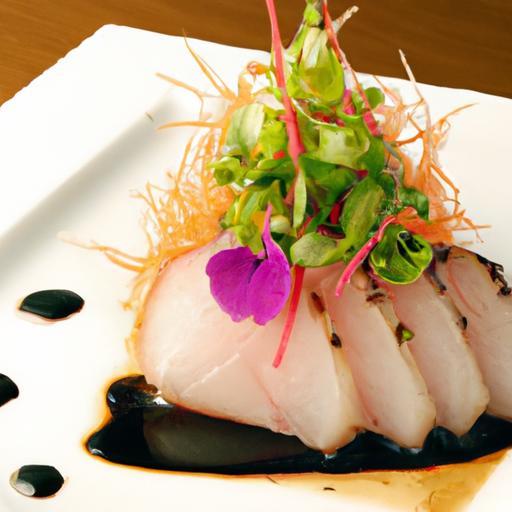
In the vibrant tapestry of Japanese cuisine, few dishes capture the essence of simplicity and elegance quite like yellowtail sashimi. Each glistening slice of this prized fish tells a story of ocean depths and expert craftsmanship, inviting diners on a delicate dive into Japan’s rich culinary heritage. More than just raw fish, yellowtail sashimi is a festivity of texture, flavor, and tradition-an artful balance that enchants both the palate and the soul. Join us as we explore the nuanced allure of yellowtail sashimi, uncovering why it holds a revered place among Japan’s finest raw fish offerings.
Yellowtail sashimi embodies the pinnacle of fresh, delicate flavors from Japan’s coastal waters. Celebrated for its buttery texture and subtle sweetness, this raw fish delicacy offers an exquisite tasting experience that delights both novice and seasoned sashimi lovers. Whether enjoyed at a bustling Tokyo sushi bar or crafted carefully at home,selecting the perfect yellowtail is essential to unlocking the full spectrum of its creamy,rich flavor profile.
Prep and Cook Time
- Readiness: 15 minutes
- Chilling: 10 minutes (optional, for optimal slicing)
- Total time: 25 minutes
Yield
Serves 2-3 as an elegant appetizer or small plate
Difficulty Level
Medium – requires precise slicing and attention to freshness but accessible for home cooks
Ingredients
- 200g fresh yellowtail (Hamachi) fillet, skin removed
- 1 tbsp soy sauce, preferably low sodium
- 1 tsp freshly grated wasabi or wasabi paste
- 1 tsp finely sliced green onions (scallions)
- Pickled ginger (gari), to serve
- Shiso leaves, optional garnish
- Juice of 1/2 lemon or fresh yuzu citrus, optional
- Ice cubes and cold water, for soaking the fillet
Instructions
- Chill and Prepare the Fish: rinse the yellowtail fillet under cold running water. Pat dry with paper towels. Immerse the fillet briefly in a bowl of ice water to firm the flesh-this makes slicing cleaner and enhances texture.
- Sharpen & Sanitize Your Knife: Use a sharp sashimi or filleting knife. Wipe blades with a damp cloth between cuts to maintain precision.
- Slice the Yellowtail: Position the fillet on a clean cutting board at a slight angle. With smooth, confident strokes, cut into thin, even slices about 1/4 inch thick. Avoid sawing motions to keep the flesh pristine.
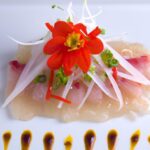
- Arrange Artistically: Fan the sashimi slices on a chilled plate or a bamboo sushi mat to evoke conventional presentation.
- Garnish and Serve: Add thinly sliced green onions and shiso leaves for color and aromatic lift. Serve with a small dish of soy sauce mixed with a dab of wasabi and pickled ginger on the side for palate cleansing.
tips for Success
- Selecting the best fish: Look for a shining, translucent flesh with no discoloration and a mild, ocean-fresh scent. Opt for sashimi-grade yellowtail from reputable fishmongers.
- handling: Keep the fish chilled until right before serving to preserve texture and flavor.
- Knife care: A dull blade tears the flesh.Sharpen your knife beforehand and wipe clean between cuts.
- Variations: For a twist, lightly sear the edges (aburi style) or marinate slices in yuzu soy dressing for 5 minutes.
- Make-ahead: Slice just before serving to maintain freshness, but you can prep the garnishes and dipping sauce in advance.
Serving Suggestions
Present your yellowtail sashimi on a chilled ceramic or glass platter, accompanied by a bowl of steamed sushi rice for a wider meal.Scatter edible flowers or microgreens for a modern touch. To amplify the umami, drizzle a tiny amount of truffle oil or infuse soy sauce with a hint of chili flakes. Pair this dish with a crisp Junmai sake or a bright, citrusy white wine like Sauvignon Blanc to highlight the fish’s natural sweetness.
| Nutritional Information (per serving) | Amount |
|---|---|
| Calories | 140 kcal |
| Protein | 23 g |
| Carbohydrates | 0 g |
| Fat | 5 g |
For further inspiration on sashimi preparation and serving, check our extensive guide to Japanese sashimi techniques, or explore the science behind sushi-grade fish at the FDA Food Safety for Sushi Fish.

Q&A
Q&A: Yellowtail Sashimi – A Delicate Dive into Japan’s Finest Raw Fish
Q1: What exactly is yellowtail sashimi?
A1: Yellowtail sashimi, known in Japan as “Hamachi” or “Buri” depending on its age and size, is thinly sliced raw yellowtail fish served cold and fresh. It’s a celebrated delicacy in Japanese cuisine, prized for its buttery texture, subtle sweetness, and clean oceanic flavor that dances elegantly on the palate.
Q2: why is yellowtail considered one of Japan’s finest sashimi choices?
A2: Yellowtail is cherished for its perfect balance of fat and lean meat, creating a melt-in-your-mouth sensation that’s rich but never overpowering. Unlike some sashimi fish that can be fishy or tough,yellowtail offers an indulgent yet delicate experience,reflecting the meticulous care of Japanese fishermen and chefs.
Q3: what’s special about the preparation of yellowtail sashimi?
A3: Preparation is an art form. the fish must be extremely fresh-often just caught and promptly chilled to preserve flavor and texture. Skilled chefs slice the flesh with precision, usually cutting against the grain to release tenderness, serving it simply to highlight its natural taste, often accompanied by wasabi, soy sauce, and sometimes a touch of grated ginger or citrus.
Q4: How does the season affect the flavor of yellowtail sashimi?
A4: Seasonality is crucial. In the winter months, yellowtail are fattier and more succulent, making the sashimi richer and more velvety. Summer catches tend to be leaner with a brighter flavor profile. This seasonal dance ensures each bite carries the unique story of the sea’s rhythms.
Q5: Can yellowtail sashimi be enjoyed in different ways?
A5: Absolutely! While the classic approach is raw and clean, yellowtail sashimi can also be lightly seared (known as “aburi”), marinated in citrus-based ponzu sauce, or paired with daikon radish and shiso leaves to add dimension.Each variation invites a new sensory journey, proving the fish’s versatility.
Q6: What should beginners know before trying yellowtail sashimi?
A6: if you’re new to raw fish, yellowtail sashimi is a great starting point because of its mild, approachable flavor and tender texture. Look for sashimi at reputable restaurants where freshness is guaranteed.Pair it with simple condiments and savor it slowly, letting the delicate flavors unfold with each bite.
Q7: Is yellowtail sashimi good for health?
A7: Indeed! It’s packed with omega-3 fatty acids, lean protein, and essential vitamins, making it not only appetizing but also heart-healthy and energy-boosting. Just be mindful of sourcing to ensure it’s sustainably caught and safe to eat raw.
Q8: How does yellowtail sashimi embody Japanese culinary ideology?
A8: Yellowtail sashimi is a perfect reflection of wabi-sabi-the beauty in simplicity-and shun-the celebration of seasonality. It’s about respecting nature’s bounty and serving it with minimal interference, allowing purity, freshness, and balance to shine. Eating yellowtail sashimi is more than a meal; it’s an intimate connection with the ocean’s gift and Japan’s rich gastronomic heritage.
To Conclude
In the delicate world of Japanese cuisine, yellowtail sashimi stands as a shimmering testament to the artistry and precision that define the nation’s love for raw fish. From the careful selection of the freshest catch to the masterful slicing that reveals its tender texture and nuanced flavors, each bite offers a serene dive into the ocean’s bounty. Whether enjoyed in a bustling Tokyo sushi bar or savored at a quiet table far from the sea, yellowtail sashimi invites us to appreciate not just a dish, but a cultural tradition steeped in respect, balance, and simplicity. As you explore this culinary gem, may each mouthful deepen your thankfulness for Japan’s finest-a true celebration of nature’s subtle elegance, served raw and pure.